• A Guide to Finding Your Dream Home: Real Estate Tips and Tricks

    Looking to embark on the exciting journey of finding your dream home? In the vast world of real estate, it can be overwhelming to navigate the array of options and make the right decision. Luckily, with some valuable tips and tricks, you can navigate this process with confidence and find the perfect place to call your own.

    Real estate is a dynamic field, constantly evolving and influenced by various factors such as location, market conditions, and personal preferences. Whether you’re a first-time buyer or a seasoned investor, having a guide to assist you can make all the difference. Throughout this article, we will delve into the world of real estate, uncovering key strategies, and providing insights to help you find your dream home. So let’s dive in and uncover the secrets and considerations that will help transform your search into a fruitful and enjoyable experience.

    1. Determine Your Budget

    When starting your journey to finding your dream home in the real estate market, it is essential to begin by determining your budget. Establishing a clear understanding of your financial capabilities will help guide you towards properties that align with your affordability.

    Start by evaluating your current income and expenses. Calculate your monthly income after taxes and subtract your monthly expenses, including bills, debt payments, and other financial obligations. This will give you an idea of how much you can comfortably allocate towards housing costs.

    Ewa Beach Realtor

    Next, consider your savings and any additional funds you may have available. Determine how much you are willing and able to invest in purchasing a home or paying rent. Remember to account for upfront costs such as down payments, closing fees, moving expenses, and potential renovations.

    Creating a realistic budget will provide a solid foundation for your real estate journey, enabling you to focus on properties within your financial means. It will also help you avoid the stress of falling in love with a property that is beyond your reach.

    2. Research Local Real Estate Markets

    When it comes to finding your dream home in the real estate market, one of the most important steps is to research local markets. Understanding the dynamics of the area will help you make informed decisions and potentially save you both time and money.

    Firstly, start by gathering information about the neighborhoods and communities you are interested in. Look for details on property values, crime rates, schools, amenities, and transportation options. This will give you a sense of what each area has to offer and whether it aligns with your preferences and needs.

    Next, dive deeper into the market trends and statistics. Research recent sales data, including the average sale prices and the time it takes for properties to sell. Pay attention to any patterns or fluctuations in the market that could affect your buying decisions.

    Lastly, consider seeking advice from local real estate professionals. They have an in-depth knowledge of the market and can provide valuable insights and guidance throughout your home buying journey. Connect with reputable agents or brokers who are familiar with the areas you are exploring. They can help you navigate the real estate landscape and ensure you are well-equipped to make informed decisions.

    By conducting thorough research on local real estate markets, you will empower yourself with the knowledge needed to find the perfect home that meets your criteria and fits within your budget. Remember, knowledge is power when it comes to real estate, so invest the time and effort in understanding the local markets before making any commitments.

    3. Work with a Reliable Realtor

    Finding the perfect home can be overwhelming, especially if you’re new to the real estate market. That’s where a reliable realtor comes in. Working with a trustworthy and experienced real estate agent can make the process much smoother for you.

    A reliable realtor will have in-depth knowledge of the local real estate market, including the current trends, prices, and available properties. They can help you navigate through the vast sea of options and narrow down your search based on your specific requirements and budget.

    Moreover, a reliable realtor will have a network of contacts within the industry. This means they can connect you with other professionals, such as mortgage brokers, home inspectors, and lawyers, who are essential in the home-buying process. Having these connections can save you time, money, and stress.

    In addition to their expertise and network, a reliable realtor will also act as your advocate. They will negotiate on your behalf, ensuring you get the best deal possible. They will guide you through the paperwork, answer your questions, and provide valuable advice at every step of the way.

    Overall, working with a reliable realtor is crucial when searching for your dream home. They have the knowledge, connections, and skills to guide you through the complex real estate market and help you find the perfect property that meets your needs and desires.

  • Captive Insurance: Unlocking Financial Freedom

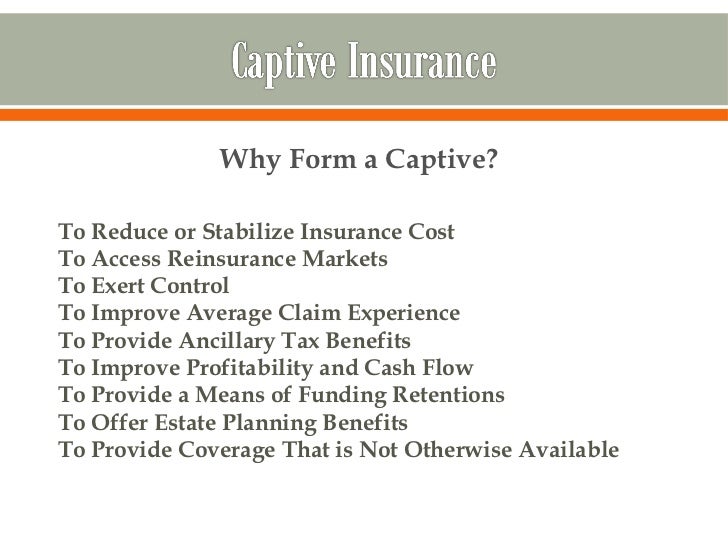
    Welcome to our article on Captive Insurance: Unlocking Financial Freedom. In this insightful piece, we will delve into the world of captive insurance and how it can potentially offer you unprecedented financial security and control.

    Captive insurance, a concept commonly associated with the 831(b) tax code established by the IRS, allows businesses to form their own insurance companies to cover their own risks. This self-insurance approach empowers companies to tailor coverage to their specific needs, providing a level of customization and flexibility that traditional insurance policies may lack.

    By forming a captive insurance company, businesses can take advantage of the tax benefits provided by the 831(b) tax code. This code enables qualifying captives, also known as microcaptives, to benefit from tax advantages such as premium deductions, tax deferral, and tax-exempt investment income. These financial incentives can significantly enhance a company’s ability to manage risk and optimize their overall financial strategy.

    In the following sections, we will explore the intricacies and potential advantages of captive insurance in more detail, demonstrating how this progressive approach to risk management can unlock new avenues of financial freedom for businesses. So, let’s embark on this journey of discovering a captivating world of financial protection through captive insurance.

    Understanding Captive Insurance

    Irs 831b Tax Code

    Captive insurance is a unique form of self-insurance that allows businesses to take control of their own risk management. Unlike traditional insurance policies, which are purchased from commercial insurers, captive insurance involves setting up an insurance company within the business itself. This captive insurance company then provides coverage for the risks faced by the parent company.

    One key benefit of captive insurance is the potential for cost savings. By insuring through a captive, businesses can avoid the premiums charged by commercial insurers, which often include profit margins and overhead costs. Instead, the premiums paid are used to fund the captive insurance company directly, allowing for greater control over the financial aspects of insurance.

    The Internal Revenue Service (IRS) has a specific tax code, known as 831(b), which governs the taxation of captive insurance companies. This code allows captives with premium income under a certain threshold to be taxed on their investment income only, rather than on their underwriting profits. This tax advantage has made captive insurance an attractive option for many businesses, particularly smaller ones.

    Overall, captive insurance provides businesses with the opportunity to manage their risks in a more tailored and cost-effective manner. By creating their own insurance entity, companies can gain greater control over their insurance programs, potentially reducing costs and increasing financial freedom.

    The Benefits of Utilizing 831b Captive Insurance

    1. Tax Advantages: Captive insurance, specifically under the IRS 831(b) tax code, offers significant tax advantages. By forming a captive insurance company, businesses can potentially reduce their taxable income by deducting the premiums paid to their captive as ordinary and necessary business expenses. This allows for the accumulation of wealth within the captive, as the premiums can be invested and grow tax-free until they are needed to cover potential losses or claims.

    2. Risk Management and Cost Control: Captive insurance enables businesses to have more control over their risk management strategies and costs. By forming their own captive, businesses can tailor insurance coverage specific to their unique needs and risks. This customization allows for more efficient risk management and typically results in more comprehensive coverage than what is available in the traditional insurance market. Captives can also provide stable pricing and reduce reliance on fluctuating commercial insurance markets, providing long-term cost stability.

    3. Asset Protection: Another benefit of captive insurance is the potential for asset protection. By establishing a separate legal entity for insurance purposes, businesses can shield their assets from potential liabilities. If properly structured and managed, the assets held within the captive can be protected from creditors, lawsuits, and other financial risks. This additional layer of protection can be crucial for businesses in high-risk industries or facing potential litigation.

    By understanding and utilizing captive insurance, businesses can unlock financial freedom by leveraging tax advantages, gaining control over their risk management strategies, and protecting their assets. The flexibility and customization offered by captives make them a valuable tool for businesses seeking to optimize their insurance coverage and secure their financial future.

    When it comes to captive insurance, understanding the IRS 831b tax code is essential. This tax code provides a unique opportunity for businesses to explore the benefits of forming a captive insurance company.

    First and foremost, the IRS 831b tax code allows qualifying small insurance companies, known as microcaptives, to be taxed on their investment income at a significantly lower rate. Under this code, eligible captives can enjoy certain tax advantages that can contribute to their financial freedom.

    It is important to note that to qualify for the benefits outlined in the IRS 831b tax code, certain criteria must be met. Companies must operate as legitimate insurance companies, covering risks of their affiliated entities. They should also have a premium threshold that falls within the permissible range set by the code.

    Understanding the regulations and requirements laid out in the IRS 831b tax code is crucial for those considering venturing into captive insurance. By navigating this code effectively, businesses can unlock the financial freedom that captive insurance can offer, maximizing their potential for success.

  • Unraveling the Enigma: The Microcaptive Revolution

    Welcome to the intriguing world of microcaptives, a revolution in the field of captive insurance. These captivating entities have been gaining attention due to their unique characteristics and potential for both financial and tax advantages. A microcaptive is essentially a small insurance company that is created and controlled by a business, allowing that company to insure its own risks.

    One of the key factors that sets microcaptives apart is the utilization of the IRS 831(b) tax code. This provision allows certain small insurance companies to be exempt from tax on their underwriting income, making it an attractive option for businesses seeking to manage risk and optimize their financial strategies. By leveraging this tax advantage, microcaptives have become an effective tool for businesses to customize their insurance coverage and mitigate their exposure to various risks.

    With the increasing popularity of microcaptives, it is important to navigate the complexities of both the captive insurance industry and the associated tax regulations. In this article, we will delve deeper into the world of microcaptives and unravel the enigma surrounding their benefits, challenges, and potential impacts. Join us as we journey into the microcaptive revolution and discover the opportunities it presents for businesses of all sizes.

    Understanding Microcaptive Insurance

    In the realm of insurance, a notable trend has emerged known as microcaptive insurance. This innovative approach allows small to medium-sized businesses to create their own captive insurance companies, tailored to their unique needs. By harnessing the benefits of captive insurance, these companies can achieve greater control over their risk management strategies and potentially enjoy financial advantages.

    At the heart of microcaptive insurance is the IRS 831(b) tax code, which provides certain tax incentives to qualifying captives. Under this code, if a captive generates $2.3 million or less in premium revenue annually and meets other criteria, it can elect to be taxed only on its investment income. This appealing tax treatment has sparked the growth of microcaptive vehicles as a viable alternative for smaller businesses seeking to manage their risks and control costs.

    One of the key advantages of microcaptive insurance is the opportunity for a business to customize its coverage to precisely match its unique risk profile. By setting up their own captive insurance company, businesses gain the ability to tailor policies and coverage limits to their specific needs, which traditional insurance options may struggle to accommodate. This level of customization can lead to more comprehensive protection and potentially reduce insurance expenses.

    It is important to note, however, that while microcaptive insurance offers potential benefits, it may not be suitable for every business. The IRS has been actively scrutinizing captive insurance arrangements in recent years to combat any abusive practices. It is crucial for businesses considering microcaptive insurance to ensure compliance with all relevant IRS regulations and engage experts proficient in navigating these complexities.

    Overall, microcaptive insurance represents an intriguing option for businesses looking to enhance their risk management strategies. By delving into the intricacies of this alternative insurance approach, companies may discover opportunities for greater control, cost savings, and tailored coverage that can support their long-term growth and stability.

    The Benefits and Risks of Microcaptive Insurance

    Microcaptive insurance has emerged as a revolutionary strategy for businesses seeking to manage their risks effectively. By forming small captive insurance companies, also known as microcaptives, businesses can gain several benefits while also facing certain risks.


    Captive Insurance

    One significant benefit of microcaptive insurance is the potential for cost savings. As these captives are owned and controlled by the insured businesses themselves, they can design customized insurance plans that align perfectly with their specific risk profile. This allows businesses to avoid unnecessary coverage and premiums, resulting in potential cost reductions. Moreover, any profits generated by the microcaptive may be subject to tax advantages under the IRS 831(b) tax code, further enhancing the financial benefits for eligible businesses.

    Another advantage of microcaptive insurance is enhanced risk management. Through better control and understanding of their risks, businesses can tailor insurance solutions to address their unique needs. The flexibility of microcaptives enables businesses to cover risks that are not adequately addressed by traditional insurance markets. This approach allows for greater risk retention and can lead to improved claim management and better overall risk mitigation strategies.

    However, it is essential to acknowledge the risks associated with microcaptive insurance. One major risk is the potential lack of diversification. Unlike traditional insurance policies that spread risk across a wide range of insured parties, microcaptives often focus on risks specific to one business or a closely related group of businesses. This concentration of risk can magnify the impact of any losses incurred, potentially affecting the financial stability of the microcaptive.

    Additionally, the IRS scrutinizes microcaptives closely due to the potential for abuse of the tax benefits provided under the 831(b) tax code. In recent years, the IRS has increased its focus on microcaptive transactions and implemented stricter regulations and reporting requirements. This means that businesses considering microcaptive insurance must ensure compliance with all IRS guidelines to avoid potential penalties or the disqualification of their captive insurance arrangements.

    In conclusion, microcaptive insurance offers businesses the opportunity to tailor insurance coverage, potentially leading to cost savings and improved risk management. However, businesses must be mindful of the risks involved, including a lack of diversification and increased IRS scrutiny. By carefully assessing their risk profile and complying with applicable regulations, businesses can navigate the microcaptive revolution and make the most of this innovative insurance strategy.

    When it comes to understanding the IRS 831(b) tax code, navigating through the complexities can be a daunting task. The code, which is specific to captive insurance arrangements, requires careful attention to detail to ensure compliance and avoid any potential pitfalls.

    At its core, a microcaptive is a small insurance company formed by a closely-held business primarily for the purpose of insuring the risks of the business itself or businesses within the same controlled group. Under the IRS 831(b) tax code, a qualifying microcaptive can elect to be taxed only on its investment income, rather than its premiums received.

    However, it is important to note that the IRS has implemented strict guidelines and requirements for a captive to qualify for this favorable tax treatment. In order to meet the criteria, the captive must have written premiums that do not exceed $2.3 million annually and must also meet certain diversification requirements.

    Failure to adhere to these guidelines can result in adverse tax consequences, including disqualification from the 831(b) election and potential tax assessments. Therefore, it is crucial for business owners considering or already utilizing a microcaptive to seek expert advice to ensure compliance with the IRS tax code and maximize the benefits of this unique insurance arrangement.

    In conclusion, understanding and navigating the IRS 831(b) tax code is vital for businesses engaging in microcaptive insurance arrangements. Seeking professional guidance and carefully adhering to the specific requirements set forth by the IRS is essential to make the most of this revolutionary approach to captive insurance.

  • Easy Tricks Anyone Can Master In Home Business

    If you are one of the millions of adults who are unemployed or underemployed, the freedom and independence of operating a business from your own home is an exciting possibility that can easily change the course of your life. This handpicked selection of home business tips and tricks will provide you with useful insights for your journey.
    Take great pictures to increase sales. Nothing is more disappointing to customers than cruising the Internet for something to buy and stumbling across a product that sounds great but has a bad or non-existent picture. Let customers see what they are buying by displaying quality photographs on your website of all the products that you offer. Take multiple pictures to show different views when necessary.
    Keep careful track of travel expenses, both on long trips (cost of tickets/gas and food) or for shorter, day-to-day driving. If you keep all of your receipts and deducting whatever you are entitled to write off, your savings will add up; careful record keeping will allow you to make these deductions without opening yourself up to legal trouble.
    Establish a daily routine when running your home business to keep on track and motivated. One of the benefits of a home business is the flexibility it gives you in scheduling. However, creating a daily routine with time allocated to running your business increases the likelihood your business will be successful. Otherwise, it is too easy to get distracted by other demands and lose focus on your business.

    If you want your home business to succeed you need to set up a budget for the business. You need to figure out how much money you are spending each month to keep the business going. You then need to figure out where you can cut back and if there are any ways for you to save money so that your profit margin can be larger.
    Speak with an attorney before setting up your business. Each state has certain laws pertaining to beginning a home business. By contacting a business lawyer, you will be able to find out what your state laws are and make sure that you are following them so that you do not get into trouble with the state.
    Be sure to keep a close eye on your spending when you are running a home business. You have to spend money to make money, of course, but make sure that you aren’t wasting your money on unnecessary expenses. Determine what you have to have and what you can put off until later and prioritize your spending accordingly.
    When it comes to home business it is essential to make a space for your business that is separate from your everyday life. This very important because in order to get down to business and concentrate fully on your business you need to have a completely separate work environment.
    Open a checking account that is specifically for your business use. Do not mix your personal finances with your business. Make sure that all monies related to your endeavor are processed through the new account. Open up a business related credit card and use that for your expenses instead of your personal cards.
    You are ready to start your home business, selling through an online marketplace. Stop. Ask everyone you know about their experience with different marketplaces. Was the customer service good? Was the seller service good? Your business will depend on the answers to these questions. –Now you can go ahead.
    831b
    If your family members help with your business, do not hide this from the IRS. If you declare your family as employees, you can deduct what you pay them from your taxes. This will also allow you to insure them, and have the expenses linked to insurance deducted from your taxes as well.
    Advertise your business with flyers or postcards. You could even include coupons. A good flyer should be distributed widely and look interesting to people. Let people know about your products and special offers and make sure that your contact information is made obvious, on the flyers you send out. You can find good prices to get flyers printed on the internet or you can do it yourself.
    To attract more traffic to the website of your home business, register your website with as many search engines as possible. Write a good description of it that will make people want to visit your website when it comes up in search results. Look into search engine optimization to promote your website.
    When you begin your home business, it’s important you pick a subject that best suits you. Your skill and enthusiasm for your business will give your clients confidence and get you more business. This is extremely helpful when you are working to build your loyal customer base.
    Celebrate every little success along your journey. Starting a home business can be a thankless process, especially when you are laying groundwork and have yet to see any results. Stay away from making comparisons of your efforts to those of other people — it will only get you down. Focus on your efforts, and congratulate yourself for every step completed.
    Give your office a deep clean at least once a month to ensure you don’t have germs lurking everywhere. A home business will not run if you’re sick in bed, so it’s important to keep your work environment as healthy as possible, so wipe down and disinfect your keyboard, mouse, phone, desk, chair, etc.
    Follow the tax code when you claim your home office deduction. Your office should be separated and marked clearly and you shouldn’t have another office where you conduct your business or perform substantial administrative or management activities. Following the rules may enable you to deduct the business use percentage of your home expenses.
    If you still are not convinced that a home business is your best bet, you should give careful consideration to the tips and advice that you have just read. For many people, a home based business is a ticket to independence, financial success, and self-sufficiency that simply cannot be achieved in the traditional job setting.

  • Easy Tricks Anyone Can Master In Home Business

    If you are one of the millions of adults who are unemployed or underemployed, the freedom and independence of operating a business from your own home is an exciting possibility that can easily change the course of your life. This handpicked selection of home business tips and tricks will provide you with useful insights for your journey.
    Take great pictures to increase sales. Nothing is more disappointing to customers than cruising the Internet for something to buy and stumbling across a product that sounds great but has a bad or non-existent picture. Let customers see what they are buying by displaying quality photographs on your website of all the products that you offer. Take multiple pictures to show different views when necessary.

    Keep careful track of travel expenses, both on long trips (cost of tickets/gas and food) or for shorter, day-to-day driving. If you keep all of your receipts and deducting whatever you are entitled to write off, your savings will add up; careful record keeping will allow you to make these deductions without opening yourself up to legal trouble.
    Establish a daily routine when running your home business to keep on track and motivated. One of the benefits of a home business is the flexibility it gives you in scheduling. However, creating a daily routine with time allocated to running your business increases the likelihood your business will be successful. Otherwise, it is too easy to get distracted by other demands and lose focus on your business.
    If you want your home business to succeed you need to set up a budget for the business. You need to figure out how much money you are spending each month to keep the business going. You then need to figure out where you can cut back and if there are any ways for you to save money so that your profit margin can be larger.
    Speak with an attorney before setting up your business. Each state has certain laws pertaining to beginning a home business. By contacting a business lawyer, you will be able to find out what your state laws are and make sure that you are following them so that you do not get into trouble with the state.
    Be sure to keep a close eye on your spending when you are running a home business. You have to spend money to make money, of course, but make sure that you aren’t wasting your money on unnecessary expenses. Determine what you have to have and what you can put off until later and prioritize your spending accordingly.
    When it comes to home business it is essential to make a space for your business that is separate from your everyday life. This very important because in order to get down to business and concentrate fully on your business you need to have a completely separate work environment.
    Open a checking account that is specifically for your business use. Do not mix your personal finances with your business. Make sure that all monies related to your endeavor are processed through the new account. Open up a business related credit card and use that for your expenses instead of your personal cards.
    You are ready to start your home business, selling through an online marketplace. Stop. Ask everyone you know about their experience with different marketplaces. Was the customer service good? Was the seller service good? Your business will depend on the answers to these questions. –Now you can go ahead.
    If your family members help with your business, do not hide this from the IRS. If you declare your family as employees, you can deduct what you pay them from your taxes. This will also allow you to insure them, and have the expenses linked to insurance deducted from your taxes as well.
    Advertise your business with flyers or postcards. You could even include coupons. A good flyer should be distributed widely and look interesting to people. Let people know about your products and special offers and make sure that your contact information is made obvious, on the flyers you send out. You can find good prices to get flyers printed on the internet or you can do it yourself.
    To attract more traffic to the website of your home business, register your website with as many search engines as possible. Write a good description of it that will make people want to visit your website when it comes up in search results. Look into search engine optimization to promote your website.
    Check It Out
    When you begin your home business, it’s important you pick a subject that best suits you. Your skill and enthusiasm for your business will give your clients confidence and get you more business. This is extremely helpful when you are working to build your loyal customer base.
    Celebrate every little success along your journey. Starting a home business can be a thankless process, especially when you are laying groundwork and have yet to see any results. Stay away from making comparisons of your efforts to those of other people — it will only get you down. Focus on your efforts, and congratulate yourself for every step completed.
    Give your office a deep clean at least once a month to ensure you don’t have germs lurking everywhere. A home business will not run if you’re sick in bed, so it’s important to keep your work environment as healthy as possible, so wipe down and disinfect your keyboard, mouse, phone, desk, chair, etc.
    Follow the tax code when you claim your home office deduction. Your office should be separated and marked clearly and you shouldn’t have another office where you conduct your business or perform substantial administrative or management activities. Following the rules may enable you to deduct the business use percentage of your home expenses.
    If you still are not convinced that a home business is your best bet, you should give careful consideration to the tips and advice that you have just read. For many people, a home based business is a ticket to independence, financial success, and self-sufficiency that simply cannot be achieved in the traditional job setting.

  • The Art of Persuasion: Unleashing the Power of Insurance Marketing

    In today’s competitive landscape, effective marketing plays a pivotal role in the success of any industry. Insurance marketing, in particular, proves to be a unique challenge, considering the delicate balance between promoting financial security and building trust with potential clients. To thrive in this field, insurance companies must master the art of persuasion and tap into the vast potential that lies within their marketing strategies.

    At its core, insurance marketing entails communicating the value and benefits of various insurance policies to a target audience. It involves conveying complex concepts in a simple yet compelling manner, highlighting the importance of protection against unexpected events. However, successful insurance marketing is not solely about selling policies but rather establishing long-term relationships built on trust and delivering on promises.

    To unleash the power of insurance marketing, companies must employ innovative and personalized approaches to engage with their target market. Utilizing effective digital channels, such as social media platforms and email campaigns, can enable insurers to connect with potential clients on a more intimate level. By crafting engaging content and utilizing storytelling techniques, insurers can effectively convey the significance of insurance coverage in safeguarding individuals, families, and businesses.

    In an industry often associated with skepticism and hesitation, insurance marketers play a crucial role in dispelling doubts and misconceptions. Through transparent communication and open dialogue, they can address concerns head-on, assuaging any hesitancy clients may have. Furthermore, leveraging customer testimonials and success stories can provide a powerful endorsement of the value of insurance, instilling confidence in potential customers.

    The ever-evolving technological landscape offers opportunities for insurance marketers to revolutionize their strategies. Leveraging data analytics, for instance, can help identify trends, preferences, and pain points within target markets, enabling insurers to tailor their marketing efforts accordingly. Additionally, embracing emerging technologies like artificial intelligence allows for more personalized and automated interactions, enhancing customer experiences and streamlining the insurance purchasing process.

    In conclusion, insurance marketing is an art that requires finesse, empathy, and adaptability. By mastering the art of persuasion and utilizing innovative marketing strategies, insurers can tap into the vast potential of this field. By effectively conveying the value of insurance, establishing trust, and embracing technology, insurance marketers can propel their companies to new heights, ensuring financial security for individuals and businesses alike.

    Understanding the Target Audience

    To succeed in insurance marketing, it is crucial to have a deep understanding of your target audience. By comprehending the needs, preferences, and pain points of your potential customers, you can tailor your marketing strategies effectively.

    Firstly, conducting thorough market research is essential. You need to gather relevant data about your target audience, including demographics, income levels, and geographic location. This information will enable you to segment your audience into specific groups, allowing for more targeted marketing efforts.

    Secondly, understanding the motivations and desires of your audience is crucial. What are their primary reasons for seeking insurance? Is it for peace of mind, financial security, or protection against unforeseen events? By understanding these underlying motivations, you can align your marketing messaging to resonate with your target audience’s needs and aspirations.

    Lastly, it is essential to grasp the communication channels that your audience frequents. Are they more active on social media platforms, or do they prefer traditional advertising mediums? Knowing where to reach your audience will maximize the impact of your marketing efforts and increase your chances of engaging with potential customers.

    By understanding your target audience deeply, you can create compelling insurance marketing campaigns that effectively resonate with their needs and drive results.

    Building a Strong Value Proposition

    In the competitive world of insurance marketing, building a strong value proposition is crucial. It is the foundation upon which successful insurance marketing campaigns are built. A compelling value proposition communicates the unique benefits and advantages that customers can expect by choosing a particular insurance product or provider.

    One key element of developing a strong value proposition is understanding the needs and desires of your target audience. By conducting thorough market research, you can gain valuable insights into the challenges, concerns, and priorities of potential customers. This knowledge allows you to tailor your value proposition in a way that resonates with them on a deeper level.

    Another important factor is clearly articulating the value that your insurance product or service brings to the table. Whether it’s comprehensive coverage, competitive pricing, or exceptional customer service, highlighting the specific advantages of your offering helps differentiate it from competitors. When customers perceive the value in what you’re offering, they are more likely to choose your insurance over others.

    Moreover, it is essential to demonstrate credibility and trustworthiness in your value proposition. This can be achieved by showcasing customer testimonials, industry awards, or partnerships with reputable organizations. By building credibility, customers are more inclined to trust your insurance solutions, boosting the effectiveness of your marketing efforts.

    In conclusion, building a strong value proposition is a vital component of successful insurance marketing. Through understanding your target audience, clearly communicating unique value, and showcasing credibility, you can create a compelling proposition that resonates with customers and sets your insurance products apart in the market.

    Business Insurance California

    Effective Marketing Channels

    In the fast-paced world of insurance marketing, choosing the right channels to reach potential customers is crucial. With the vast array of options available, finding the most effective marketing channels can be a daunting task. Here are three key channels that have proven to be successful in the realm of insurance marketing.

    1. Online Advertising:

    In today’s digital age, online advertising has become a powerful tool for insurance marketers. With the ability to reach a wide audience and target specific demographics, online ads have the potential to boost brand visibility and generate leads. Utilizing platforms such as social media, search engines, and display networks, insurance companies can tailor their advertising efforts to reach individuals who are actively seeking insurance products. By leveraging the vast reach and targeting capabilities of online advertising, insurance marketers can effectively capture the attention of their target audience.

    2. Content Marketing:

    Content marketing has emerged as a highly effective strategy for insurance companies to engage with potential customers. By creating valuable and informative content, such as blog posts, articles, and videos, insurance marketers can establish themselves as industry experts and build trust with their audience. Through content marketing, insurance companies can educate consumers about the importance of insurance, address common concerns, and showcase their unique value proposition. This not only helps in building brand awareness but also positions the company as a reliable source of information, increasing the likelihood of converting leads into customers.

    3. Referral Programs:

    Leveraging referrals can be a powerful marketing channel for insurance companies. By incentivizing their existing customers to refer their friends, family, and colleagues, insurance marketers can tap into a pool of potential customers who already have a level of trust in the company. Referral programs can be structured in various ways, such as offering discounts, bonuses, or even cash rewards for successful referrals. This can not only lead to an increase in customer acquisition but also foster loyalty and strengthen customer relationships.

    In conclusion, choosing the right marketing channels is essential for insurance companies to effectively promote their products and services. The combination of online advertising, content marketing, and referral programs can help insurance marketers reach their target audience, establish credibility, and drive customer acquisition. By utilizing these channels strategically, insurance companies can unleash the power of insurance marketing and achieve their business goals.

  • The Art of Insurance Marketing: Boosting Sales with Strategic Techniques

    As consumers, we witness countless advertisements vying for our attention every day. Amidst the constant barrage of promotions, insurance marketing has found its own voice, striving to stand out in a crowded marketplace. The art of insurance marketing lies in strategically capturing the attention of potential customers, while also nurturing lasting relationships. With the right techniques, insurers can effectively boost sales and reach their target audience with a compelling message.

    In the world of insurance, marketing plays a pivotal role in generating awareness and creating a brand identity that resonates with customers. It goes beyond simply selling policies; it’s about building trust and fostering long-term connections. Successful insurance marketing requires a delicate balance of understanding the needs and aspirations of the target market, while also effectively communicating the value and benefits of the insurance products or services.

    By employing strategic techniques, insurance marketers can shape their outreach campaigns to reach the right demographics and tap into the desires and concerns of potential customers. This involves extensive market research, analysis of consumer behavior, and crafting engaging content that addresses their needs. A thoughtful approach to insurance marketing not only increases the chances of generating leads but also helps in cultivating a loyal customer base.

    In this article, we delve into the nuances of insurance marketing, exploring various strategies and techniques that can bolster sales and overall business growth. By understanding the art of insurance marketing and harnessing its power, insurers can create effective campaigns that captivate their audience and elevate their brand. With the right blend of creativity, data-driven insights, and a customer-focused mindset, insurance marketers can navigate the competitive landscape and thrive in the ever-evolving world of insurance.

    Understanding the Target Market

    In order to excel in the field of insurance marketing, it is vital to have a deep understanding of your target market. By comprehending the needs, preferences, and challenges of your potential customers, you can tailor your strategies to effectively reach and engage with them.

    Firstly, conducting thorough market research is crucial. Take the time to gather data on demographics, such as age, income level, and geographical location. This information will help you determine the specific characteristics of your target market, enabling you to design marketing campaigns that resonate with them.

    Secondly, it is important to analyze the behavior and habits of your target market. By evaluating how they make purchasing decisions and interact with insurance products, you can enhance your marketing approach. For example, if your target market heavily relies on online platforms for information, investing in digital marketing techniques and social media advertisements might yield better results.

    Lastly, consider the unique challenges and pain points your target market faces in relation to insurance. Are they concerned about affordability, coverage options, or the complexities of insurance policies? Understanding these obstacles will allow you to address them directly and position your insurance offerings as attractive solutions.

    Remember that understanding your target market is an ongoing process. Market trends evolve, consumer preferences change, and new challenges emerge. By always staying attuned to your target market’s evolving needs, you can refine your marketing strategies to stay ahead of the competition and boost sales.

    Developing Effective Marketing Strategies

    When it comes to insurance marketing, developing effective strategies is crucial for boosting sales and reaching a wider audience. Here are three key techniques to consider:

      Insurance For Funeral Homes And Crematoriums

    1. Targeted Advertising: Understanding your audience is essential in crafting successful marketing strategies. By identifying specific demographics or market segments, you can tailor your advertising efforts to resonate with potential customers. Whether it’s through digital platforms, print media, or television commercials, targeting your message to the right audience increases the chances of attracting interested prospects.

    2. Building Trust: Insurance is all about trust, so establishing credibility is essential for successful marketing. Showcasing positive customer experiences through testimonials, case studies, or even partnering with reputable organizations can create a sense of trustworthiness. Additionally, a transparent and informative approach to communication fosters a strong relationship with clients, encouraging them to choose your insurance services over competitors.

    3. Utilizing Social Media: In today’s digital age, social media has become a powerful tool for marketing. Creating engaging content such as informative blog articles, interactive infographics, or educational videos can help attract potential customers. Regularly sharing industry insights, answering customer queries, and providing updates on insurance trends are effective ways to maintain an active and attentive social media presence.

    By implementing these strategies, insurance marketers can enhance their reach, build trust, and ultimately boost sales. Take the time to analyze your target audience, invest in credibility-building measures, and tap into the vast potential of social media to stay ahead in the competitive insurance market.

    Utilizing Data Analytics for Targeted Campaigns

    In the world of insurance marketing, data analytics has become an indispensable tool for boosting sales and improving overall business strategies. With the wealth of data available today, insurance companies are leveraging analytics to inform targeted campaigns and drive their marketing efforts. Here are three key ways in which data analytics can be utilized to maximize marketing success:

    Firstly, data analytics allows insurance marketers to gain valuable insights into customer behavior and preferences. By analyzing data from various sources such as customer interactions, online searches, and social media activity, companies can identify patterns and trends that can guide their marketing strategies. Understanding customer preferences not only helps tailor insurance offerings to specific needs but also enables targeted campaigns that resonate with the intended audience.

    Secondly, data analytics helps insurance marketers identify the most effective marketing channels. By analyzing data on customer engagement and conversion rates across different platforms, marketers can determine which channels are driving the highest sales and engagement. This information allows for smarter allocation of marketing budgets, ensuring that resources are focused on channels that yield the best returns, ultimately boosting sales and improving the overall marketing strategy.

    Lastly, data analytics plays a crucial role in determining the success of marketing campaigns. By tracking and analyzing data on campaign metrics such as click-through rates, conversion rates, and customer acquisition costs, insurance companies can measure the effectiveness of their marketing efforts. These insights enable marketers to make data-driven decisions, refine their campaigns, and optimize their overall marketing strategy for better results.

    In conclusion, data analytics is an essential tool in insurance marketing, enabling companies to harness the power of data to inform targeted campaigns, identify effective marketing channels, and measure campaign success. By utilizing data analytics effectively, insurance marketers can boost sales, improve customer engagement, and stay ahead in an increasingly competitive marketplace.

  • Unlocking the Hidden Potential: Insuring Success through Smart Marketing

    In a world where competition is fierce and customers have endless choices, insurance companies are constantly seeking innovative ways to stand out from the crowd and capture the attention of potential clients. This is where smart marketing comes into play – a powerful tool that can unlock the hidden potential of insurance companies and pave the way for success.

    Insurance marketing goes beyond the traditional methods of advertising, delving into the realms of digital media, data analytics, and personalized messaging. It is about crafting compelling narratives that resonate with the target audience, building trust, and establishing a lasting relationship. By leveraging the right strategies, insurance companies can not only boost their brand presence but also drive customer engagement and ultimately increase sales.

    Gone are the days of generic advertisements that fail to make a lasting impression. With the rise of insurance marketing, companies have the opportunity to connect with their customers on a deeper level. By understanding the needs and desires of their target market, insurance providers can tailor their messaging to address specific pain points and offer relevant solutions. Through social media platforms, email marketing campaigns, and search engine optimization, insurers can reach a wider audience and make a memorable impact.

    In this article, we will delve into the world of insurance marketing and explore the strategies that can unlock the hidden potential of insurance businesses. From the power of storytelling to the impact of data analytics, we will uncover the secrets of successful marketing campaigns in the insurance industry. So, join us on this journey as we reveal the keys to insuring success through smart marketing.

    Understanding the insurance market landscape

    In order to unlock the hidden potential of insurance marketing, it is crucial to have a thorough understanding of the insurance market landscape. This understanding will not only help insurance companies stay ahead of their competition, but it will also enable them to make informed decisions and customize their marketing strategies to effectively target their desired audience.

    First and foremost, insurance companies must recognize the diverse range of insurance products and services available in the market. From life insurance to property insurance, health insurance to automobile insurance, the options are extensive. Each type of insurance serves a specific purpose and caters to different needs of individuals and businesses.

    Secondly, it is essential to comprehend the various players in the insurance market. Insurance companies, agents, brokers, and reinsurers all contribute to the complex ecosystem of the industry. Understanding the roles and responsibilities of each entity can help insurance marketers identify potential partners or competitors, and establish effective collaborations or differentiation strategies.

    Moreover, comprehending the regulatory framework that governs the insurance market is vital. Insurance is a highly regulated industry, and companies must comply with specific laws and regulations to operate in a particular market. Being aware of these regulations enables insurance marketers to navigate legal complexities, ensure compliance, and build trust and credibility with their customers.

    Having a clear understanding of the insurance market landscape is the foundation for success in insurance marketing. By recognizing the different types of insurance, identifying key players, and staying abreast of regulatory requirements, insurance companies can position themselves strategically, tailor their marketing initiatives, and unlock their hidden potential in reaching their target audience effectively.

    Leveraging digital strategies for effective insurance marketing

    In today’s digital age, insurance companies can no longer rely solely on traditional marketing methods to reach and engage with their target audience. To stay competitive and unlock the hidden potential in the insurance industry, it is crucial for companies to leverage digital strategies for effective insurance marketing.

    1. Utilizing social media platforms

    One powerful digital strategy for insurance marketing is utilizing social media platforms. With billions of active users worldwide, platforms like Facebook, Twitter, and LinkedIn provide a vast audience for insurance companies to connect with. By creating engaging and informative content, insurance companies can establish themselves as industry experts and build a strong online presence. Social media also allows companies to directly interact with customers, address their concerns, and provide personalized customer service.

    1. Implementing search engine optimization (SEO)
    2. Apartment Owner Insurance In California

    With the majority of consumers turning to search engines for information, having a strong online presence is critical for insurance companies. Implementing search engine optimization (SEO) techniques ensures that the company’s website and content are easily discoverable by search engines. By optimizing keywords, meta tags, and website structure, insurance companies can increase their visibility in search engine results and drive organic traffic to their website. This not only boosts brand awareness but also improves lead generation and customer acquisition.

    1. Creating valuable content through blogging

    Blogging is another effective digital strategy for insurance marketing. By regularly creating and publishing high-quality content, insurance companies can demonstrate their expertise, educate their target audience, and establish trust and credibility. Blogging allows companies to address common insurance-related questions and concerns, provide valuable insights, and offer tips and advice to their readers. Through informative and engaging blog posts, insurance companies can also attract organic traffic to their website, generate leads, and nurture customer relationships.

    By leveraging these digital strategies, insurance companies can effectively market their products and services, connect with their target audience, and unlock their hidden potential. Embracing the power of social media, implementing SEO techniques, and creating valuable content through blogging are key steps towards achieving success in the ever-evolving insurance industry.

    Building strong customer relationships for long-term success

    In the realm of insurance marketing, building strong customer relationships is key to achieving long-term success. By fostering trust and understanding with customers, insurance companies can establish lasting connections that not only retain existing policyholders but also attract new ones. Here are some strategies that can help insurance providers strengthen their customer relationships:

    1. Providing personalized experiences: To forge a strong bond with customers, it is vital for insurance companies to understand their individual needs and preferences. By collecting and analyzing customer data, insurers can offer personalized insurance plans and tailored recommendations. This level of personalization demonstrates a commitment to meeting customers’ specific requirements, fostering a sense of loyalty and satisfaction.

    2. Regular and proactive communication: Open lines of communication are essential for establishing trust and ensuring a positive customer experience. Insurance companies should maintain regular contact with their policyholders, whether through email newsletters, informative blog posts, or personalized updates. By proactively reaching out to customers, insurers can provide important information, address concerns, and reinforce their commitment to customer support.

    3. Prompt and empathetic customer service: Customer service plays a pivotal role in building strong relationships. Insurance companies should strive to deliver prompt and empathetic service to policyholders, addressing their inquiries, claims, or concerns promptly and efficiently. By demonstrating empathy and actively assisting customers during challenging times, insurance companies can strengthen the bond of trust and loyalty.

    Through personalized experiences, regular communication, and exceptional customer service, insurance companies can cultivate strong relationships with their customers, laying the foundation for long-term success in the competitive insurance market. By prioritizing customer needs and preferences, insurers can unlock the hidden potential within their marketing strategies, ultimately driving growth and satisfaction both for their customers and the company itself.

  • Unleashing the Power of Insurance Marketing: Strategies for Success

    Insurance marketing holds immense potential for companies in the insurance industry to establish their brands, connect with clients, and ultimately drive growth. In an increasingly competitive marketplace, effective marketing strategies can be the key to unlocking success for insurers. By understanding the unique challenges and opportunities within the insurance sector, savvy marketers can harness the power of innovative techniques to overcome obstacles and achieve remarkable results.

    One of the fundamental aspects of insurance marketing is the ability to build trust and establish credibility with potential customers. Insurance policies are inherently intangible, often leaving individuals hesitant about making a commitment. It is the responsibility of insurance marketers to bridge this gap by effectively communicating the value and reliability of their offerings. Through compelling storytelling and transparent messaging, insurance companies can instill confidence in their target audience and position themselves as the trusted providers of protection and peace of mind.

    Furthermore, insurance marketing requires a deep understanding of the varying needs and preferences of different customer segments. Whether it be individual policyholders, businesses, or even insurance intermediaries, tailoring marketing strategies to specific target audiences is crucial for success. By leveraging data-driven insights, insurers can personalize their marketing campaigns, ensuring they resonate with the unique pain points, desires, and aspirations of their intended recipients. This approach not only enhances the relevance of marketing messages but also increases the likelihood of attracting and retaining loyal customers.

    In the rapidly evolving landscape of marketing, embracing digital transformation is no longer a luxury but a necessity. Today, insurance marketers have a wealth of innovative tools and platforms at their disposal to reach their target audience more effectively. From social media advertising and content marketing to search engine optimization and email campaigns, digital channels provide a cost-effective and efficient means of engaging with prospects and nurturing leads. Embracing digital strategies empowers insurance companies to optimize their marketing efforts, maximize their reach, and deliver compelling experiences to an increasingly tech-savvy demographic.

    Builders Risk Insurance

    In the following sections of this article, we will delve deeper into these strategies and explore the best practices that insurance marketers can adopt to ensure success in their marketing endeavors. By unearthing the power of insurance marketing and implementing the strategies outlined, companies can position themselves as industry leaders, attract a loyal customer base, and ultimately drive business growth. Together, let us embark on this journey to unleash the full potential of insurance marketing.

    Understanding the Insurance Market

    Insurance marketing is a dynamic and ever-evolving field that requires a deep understanding of the insurance market. To succeed in this industry, it is crucial to recognize the intricacies and complexities of the market landscape.

    Firstly, it is essential to comprehend the diverse range of insurance products available in the market. From life insurance to property and casualty insurance, each product serves a unique purpose and caters to specific customer needs. By understanding the various insurance options, marketers can effectively communicate the benefits and value propositions to potential customers.

    Additionally, staying up-to-date with the latest industry trends and market dynamics is vital for insurance marketers. The insurance market is influenced by factors such as technological advancements, economic conditions, and regulatory changes. By closely monitoring these developments, marketers can adapt their strategies and offerings accordingly, ensuring they remain relevant and competitive in the market.

    Moreover, comprehending the target audience is a fundamental aspect of insurance marketing. Different demographics, age groups, and socio-economic backgrounds have varying insurance needs and preferences. By conducting thorough market research and analysis, marketers can gain insights into the target audience’s pain points, desires, and purchasing behavior. This knowledge is invaluable in tailoring marketing campaigns that resonate with the target market and yield optimal results.

    In summary, understanding the insurance market is the key to driving successful insurance marketing campaigns. By gaining knowledge of the diverse range of insurance products, staying informed about industry trends, and comprehending the target audience, marketers can unlock the power of insurance marketing and increase their chances of success.

    Key Strategies for Effective Insurance Marketing

    To succeed in insurance marketing, it is crucial to adopt effective strategies that will resonate with potential customers and drive results. Here are three key strategies that can help unlock the full potential of insurance marketing:

    1. Building Trust through Personal Connections:
      Establishing trust is essential in the insurance industry. Customers are looking for a company they can rely on to protect their assets and provide excellent service. One effective strategy is to focus on building personal connections with clients. By understanding their unique needs and concerns, insurance marketers can create tailored solutions and position themselves as trusted advisors. Engaging with customers through personalized communications, such as phone calls or face-to-face meetings, helps establish a sense of credibility and fosters long-term relationships.

    2. Leveraging Digital Platforms:
      In today’s digital age, insurance marketers need to embrace online platforms to reach a wider audience and stay competitive. An effective strategy is to leverage social media, search engine optimization (SEO), and email marketing to engage with potential customers. By creating informative and engaging content, insurance companies can demonstrate their expertise and drive brand awareness. Additionally, utilizing data analytics can provide valuable insights into customer preferences, allowing marketers to tailor campaigns and improve conversion rates.

    3. Emphasizing the Value Proposition:
      Insurance customers often struggle to differentiate between various providers’ offerings. To stand out from the competition, it is crucial to emphasize the unique value proposition. A key strategy is to highlight the benefits and coverage options that set the insurance company apart. Whether it’s offering comprehensive coverage, competitive prices, or exceptional customer service, making the value proposition clear and compelling will attract potential customers. Effective communication through marketing materials, such as brochures and websites, plays a vital role in conveying the value and benefits of the insurance products.

    By implementing these key strategies, insurance marketers can unlock the power of insurance marketing and drive success in a competitive landscape. Building trust, leveraging digital platforms, and emphasizing the value proposition are essential elements to connect with customers, expand reach, and ultimately, achieve marketing objectives.

    Leveraging Technology in Insurance Marketing

    With the ever-evolving digital landscape, insurance marketers have a golden opportunity to harness the power of technology to enhance their marketing efforts. Embracing technological advancements can significantly improve customer engagement, personalization, and campaign effectiveness. Let’s explore some key strategies for leveraging technology in insurance marketing.

    1. Embrace Data-Driven Insights: In today’s data-rich world, insurance marketers can tap into valuable insights to better understand their target audience. By leveraging advanced analytics and data mining techniques, marketers can extract meaningful patterns and trends from vast amounts of customer data. These insights can shape marketing strategies and help craft personalized messages that resonate with individual customers.

    2. Capitalize on Social Media Platforms: Social media platforms have become powerful tools for insurance marketers to reach and engage with their target audience. By establishing a strong social media presence, insurers can not only communicate their brand value but also actively interact with customers. Leveraging social listening tools can provide valuable insights into customer sentiments, enabling marketers to tailor their messages to address specific pain points and concerns.

    3. Optimize Mobile Marketing: Smartphones have revolutionized the way customers connect, shop, and interact with brands. For insurance marketers, this presents an opportunity to optimize mobile marketing strategies. Mobile applications, responsive websites, and location-based services can enhance customer experiences and streamline insurance purchasing processes. Marketers should ensure that their online platforms are mobile-friendly and provide seamless and efficient navigation.

    By embracing technology, insurance marketers can unlock a world of opportunities to connect, engage, and build long-lasting relationships with their target audience. The key lies in harnessing data-driven insights, leveraging social media platforms, and optimizing mobile marketing strategies to stay ahead in today’s competitive landscape. So, seize the power of technology and revolutionize your insurance marketing efforts!

  • Level Up Your Gaming Experience: Mastering the Art of Streamed Gaming

    Welcome to the exciting world of gaming! In the digital age, gaming has truly evolved, transcending the boundaries of traditional gaming consoles and opening up a whole new realm of possibilities. With the advent of streamed gaming, you can now take your gaming experience to the next level, immersing yourself in the world of virtual adventures like never before.

    Streaming has revolutionized the way we consume content, and gaming is no exception. By harnessing the power of computer technology, gamers can now enjoy seamless, high-quality gameplay without the need for expensive equipment or physical game copies. With just a stable internet connection and a compatible device, you have the world of gaming at your fingertips.

    In this article, we will delve into the art of streamed gaming, exploring the many benefits it brings and how you can master this exciting form of interactive entertainment. Whether you’re a seasoned gamer or just starting out, prepare to embark on a thrilling journey as we unlock the secrets of enhancing your gaming experience through streaming. So grab your controller, sit back, and let’s dive into the wonderful world of streamed gaming!

    Choosing the Right Hardware

    When it comes to enhancing your gaming experience through streaming, choosing the right hardware is key. Having a computer with the necessary specifications can make all the difference in delivering smooth gameplay and high-quality streams.

    First and foremost, consider the processor (CPU) of your gaming rig. Opting for a powerful CPU with multiple cores will ensure that your system can handle both gaming and streaming simultaneously. Look for processors that have a high clock speed and support multithreading for optimal performance.

    Next, let’s look at the graphics card (GPU). A high-end GPU is essential for running graphics-intensive games smoothly while streaming. Look for models with ample VRAM and a high number of CUDA cores or stream processors, as these contribute to better rendering and encoding capabilities.

    Lastly, don’t forget about RAM and storage. Aim for a generous amount of RAM to keep your system running smoothly during intense gaming sessions. Additionally, consider investing in solid-state drives (SSDs) for faster loading times and seamless transitions between games and software.

    By carefully selecting the right hardware components for your streaming setup, you can elevate your gaming experience to new heights. Remember to prioritize a powerful CPU, a capable GPU, sufficient RAM, and fast storage options to ensure a smooth and enjoyable streaming experience.

    Optimizing Network Performance

    1. Connection Stability
      A stable and reliable network connection is crucial for a smooth and uninterrupted streaming experience. To ensure your connection stability, opt for a wired Ethernet connection instead of relying on Wi-Fi. Ethernet cables provide a more consistent and faster connection, minimizing the chances of lag or dropouts during gameplay. Additionally, make sure your internet service provider offers a stable and high-speed connection to avoid any potential bottlenecks.

    2. Bandwidth Management
      Best Webcam for Streaming
      Streaming requires a considerable amount of bandwidth to transmit gameplay footage in real-time. To avoid any network congestion or latency issues, it’s vital to manage your bandwidth effectively. Prioritize your gaming and streaming applications by allocating more bandwidth to them. Close any unnecessary background applications or downloads that can eat up your bandwidth, as they may negatively impact your gaming performance and stream quality.

    3. Quality of Service (QoS)
      Most modern routers have a Quality of Service (QoS) feature that prioritizes network traffic based on your preferences. Utilize this feature to ensure that gaming and streaming applications are given higher priority over other internet activities. By setting QoS rules, you can guarantee a smooth gaming experience and a high-quality stream without interruptions caused by other devices or applications competing for bandwidth.

    Remember, optimizing network performance is critical for a seamless gaming and streaming experience. By following these steps and configuring your network settings appropriately, you can enhance your gameplay and provide an enjoyable viewing experience to your audience.

    Mastering Streaming Software

    In order to level up your gaming experience and take full advantage of streamed gaming, it is essential to master the art of streaming software. With the right tools and knowledge, you can enhance your gameplay, showcase your skills to a wider audience, and even monetize your gaming sessions. In this section, we will explore some key tips to help you become a master of streaming software.

    1. Choose the Right Software: The first step towards mastering streaming software is selecting the right one that aligns with your specific needs and goals. There are various options available, such as OBS Studio, XSplit, and Streamlabs OBS, each with its own set of features and capabilities. Take your time to research and experiment with different software to find the one that suits you best.

    2. Optimize Settings: Once you have chosen your streaming software, it’s important to optimize the settings to ensure smooth and high-quality streaming. Adjust the resolution, bitrate, and frame rate settings based on your computer’s capabilities and the platform you are streaming on. Finding the right balance between visual quality and performance is crucial for providing an enjoyable viewing experience for your audience.

    3. Customize Your Stream: Stand out from the crowd by adding personal touches and customizations to your stream. Most streaming software allows you to overlay your webcam feed, include chat boxes, and even add professional-looking graphics and animations. Experiment with different layouts and designs to create a unique and visually appealing stream that reflects your style and brand.

    By mastering streaming software, you can take your gaming experience to the next level and connect with a larger audience. Remember to keep learning, exploring new features, and seeking feedback to continuously improve your streams. Happy streaming!

    Note: Markdown heading syntax such as ‘###’ has been used to start the section title as instructed.