• The Fantastical World of Steampunk Fashion: Journey into an Era of Victorian Elegance and Futuristic Adventure

    In a mesmerizing blend of Victorian elegance and futuristic adventure lies the fantastical world of steampunk fashion. This unique aesthetic transports us to an alternate reality where steam-powered machinery reigns supreme, embellished with ornate gears, filigree motifs, and an aura of vintage charm. Steampunk fashion is not just about clothing, but a subculture that merges fashion, art, and storytelling into a captivating tapestry of whimsical exploration.

    Adorned with corsets, top hats, waistcoats, and goggles, steampunk fashion enthusiasts pay homage to the elegance and grandeur of the Victorian era, while injecting a hearty dose of imagination and ingenuity. Inspired by the works of authors like H.G. Wells and Jules Verne, as well as the industrial revolution, steampunk fashion embraces the marriage of technology and imagination. It invites us to imagine a world where clockwork mechanisms power everything from airships to prosthetic limbs, where adventure and invention intertwine in a mesmerizing dance. Step into this enchanting realm of gears and cogs, where imagination knows no bounds and the possibilities are limitless.

    Origins and Influences of Steampunk Fashion

    Steampunk fashion is a unique and captivating style that has gained popularity in recent years. Its origins can be traced back to the 19th century Victorian era, a time of great technological advancements and industrialization. This era, with its blend of elegance and innovation, serves as a major influence on the steampunk fashion movement.

    Drawing inspiration from the industrial revolution, steampunk fashion incorporates elements of machinery, gears, and cogs into its designs. The aesthetic is characterized by a fusion of Victorian elegance and futuristic adventure. The intricate details and craftsmanship of the Victorian era are combined with the imaginative and fantastical elements of science fiction.


    Steampunk Boots Mens

    Another significant influence on steampunk fashion is the literary genre of steampunk itself. Popularized by authors like Jules Verne and H.G. Wells, steampunk literature imagines a world where steam power is still the dominant source of energy. This literary backdrop has heavily influenced the fashion, with clothing and accessories often featuring gears, pocket watches, and other industrial motifs.

    Overall, the origins and influences of steampunk fashion can be traced back to both the historical Victorian era and the imaginative world of steampunk literature. This unique blend of elegance, innovation, and fantasy has captured the imagination of many, making steampunk fashion a fascinating and visually captivating style.

    2. Elements of Steampunk Fashion

    The world of steampunk fashion is a delightful fusion of Victorian elegance and futuristic adventure. It encompasses a range of elements that come together to create a distinctive and captivating style.

    1. Victorian Influence: At the core of steampunk fashion lies its deep connection to the Victorian era. The fashion draws inspiration from the elegance, refinement, and elaborate attire of the 19th century. Corsets, high collars, lace, and ruffles are just a few examples of the Victorian elements that are prevalent in steampunk fashion.

    2. Gears and Machinery: Stepping into the realm of steampunk fashion means embracing the mechanical world. Gears, cogs, and intricate machinery feature prominently, both as decorative elements and functional accessories. These mechanical details add a sense of enigmatic charm and an industrial aesthetic to the overall look.

    3. Timepieces and Accessories: Steampunk fashion enthusiasts often don timepieces that capture the essence of the era. Pocket watches, ornate wristwatches, and unique clockwork-inspired jewelry are common accessories. These accent pieces punctuate the style and serve as reminders of the adventurous spirit that defines steampunk fashion.

    In conclusion, steampunk fashion is a captivating blend of Victorian elegance and futuristic elements. The incorporation of Victorian influence, gears and machinery, and timepieces and accessories sets the stage for a fashion journey like no other.

    Steampunk fashion has become a prominent feature in popular culture, captivating enthusiasts with its unique blend of Victorian elegance and futuristic adventure. Whether in movies, literature, or even music, this subculture has made its mark, bringing its distinct aesthetic to the mainstream.

    In film, steampunk fashion often takes center stage, transporting viewers to an alternate reality where steam-powered machinery reigns supreme. Movies like "Wild Wild West" and "The League of Extraordinary Gentlemen" exemplify this trend, with their characters clad in elaborate corsets, top hats, and other Victorian-inspired garments. These cinematic portrayals have undoubtedly contributed to the popularization of steampunk fashion.

    Literature has also played a significant role in promoting steampunk fashion. Novels such as "The Difference Engine" by William Gibson and Bruce Sterling, and "Boneshaker" by Cherie Priest, have captivated readers with their intricately imagined worlds and intricate descriptions of steampunk attire. As readers delve into these stories, they become immersed in a realm where fashion becomes an integral part of the narrative.

    Music, too, has embraced the steampunk aesthetic. Some musical acts, such as Abney Park and The Cog Is Dead, have not only adopted steampunk fashion in their stage attire but have also infused their music with thematic elements that reflect this subculture’s whimsical and adventurous spirit. Their performances transport audiences to the fantastical world of steampunk, where fashion and music merge to create a truly immersive experience.

    In conclusion, steampunk fashion has transcended its niche origins and found a place in popular culture. Through its presence in film, literature, and music, it has captured the imaginations of many, sparking a fascination with its blend of Victorian elegance and futuristic adventure. As this subculture continues to evolve, steampunk fashion’s influence is likely to endure, leaving an indelible mark on the world of style and creativity.


  • Reviving the Victorian Era: Steampunk Fashion Unleashed

    With the turn of the century, there has been a surge in the popularity of steampunk fashion, breathing new life into the Victorian era. Drawing inspiration from the industrial revolution and the wild imaginations of Jules Verne and H.G. Wells, steampunk fashion has become a captivating blend of neo-Victorian aesthetics and science fiction elements. This unique style transcends traditional fashion boundaries, attracting a diverse community of enthusiasts who revel in the combination of vintage elegance and futuristic ingenuity.

    At its core, steampunk fashion is a celebration of all things mechanical and fantastical. Aesthetically speaking, it encompasses a wide range of elements, including corsets, lace, leather, brass accessories, goggles, and gears. The interplay between these intricate details and the futuristic twist creates an enchanting visual tapestry that captivates the imagination. Each individual piece is meticulously crafted, making use of a myriad of materials, from antique pocket watches repurposed into unique jewelry to leather gear-adorned belts and corsets. This attention to detail extends beyond the clothing itself, as many steampunk enthusiasts take great pleasure in accessorizing their outfits with mechanical contraptions like wristwatches, compasses, and compass sticks.

    Steampunk fashion not only appeals to those with a love for history and speculative fiction but also serves as a form of self-expression and escapism. It offers a gateway to a world where the past and the future coexist, allowing individuals to manifest their own unique personas through their wardrobe choices. For some, it’s a chance to play the role of an intrepid explorer, sporting a tailored waistcoat and a top hat as they navigate imaginary airships. For others, it’s an opportunity to embrace their rebellious side, adorning themselves in leather jackets, fingerless gloves, and goggles as they pursue adventures across steam-powered post-apocalyptic landscapes.

    Join us as we take a deep dive into the intricate world of steampunk fashion, exploring the history, the craftsmanship, and the vibrant community that keeps this Victorian-inspired style alive and flourishing. Step into a realm where gears turn, clockwork mechanisms hum, and imagination knows no bounds. Welcome to the world of steampunk: a fusion of past and future, where fashion blurs the line between reality and fantasy.

    The Origins of Steampunk Fashion

    The origins of steampunk fashion can be traced back to the Victorian era, a time of industrial revolution and exploration. This genre of fashion draws inspiration from the steam-powered technology and fashion trends of the 19th century.

    One of the main influences on steampunk fashion is the Victorian aesthetic, which was characterized by elaborate and intricate designs. This era was known for its attention to detail and the use of luxurious materials such as lace, velvet, and corsets. Steampunk fashion takes these elements and adds a twist of futuristic elements, creating a unique blend of old and new.

    Another source of inspiration for steampunk fashion is the industrial machinery that defined the Victorian era. Gears, cogs, and other mechanical elements are often incorporated into the design of steampunk clothing and accessories. These elements not only pay homage to the technological advancements of the time but also add a sense of adventure and exploration to the overall aesthetic.

    Steampunk fashion is not limited to clothing alone. Many steampunk enthusiasts embrace a whole lifestyle inspired by this genre, incorporating steampunk elements into their homes, gadgets, and even events. Its popularity has grown over the years, with steampunk conventions and gatherings taking place around the world, showcasing the creativity and passion of its followers.

    In conclusion, the origins of steampunk fashion can be found in the Victorian era, with its unique blend of elegance, intricacy, and industrial progress. This genre of fashion embraces the past and future, creating a distinctive style that continues to captivate and inspire people today.

    2. Key Elements of Steampunk Style

    Steampunk fashion encompasses a unique blend of Victorian elegance and mechanical innovation, creating a captivating style that has gained popularity in recent years. This distinctive fashion movement embraces various key elements that together bring the essence of steampunk to life.

    1. Victorian Influence: The Victorian era serves as a significant source of inspiration for steampunk fashion. Elements such as corsets, high collars, top hats, and lace are frequently incorporated into steampunk outfits, echoing the elegance and refinement of this bygone era.

    2. Industrial Aesthetics: Another essential aspect of steampunk style is the incorporation of industrial aesthetics. Gears, cogs, clockworks, and other mechanical motifs are often featured as accessories, giving garments a sense of functional machinery and an overall steampowered vibe.

    3. Aviator and Adventurer Vibes: Steampunk fashion often draws inspiration from explorers, adventurers, and aviators of the Victorian era. This influence can be seen through the use of bomber jackets, aviator goggles, pilot caps, and boots, creating an air of daring escapades and a nod to the spirit of adventure.

    In conclusion, steampunk fashion combines Victorian elegance with mechanical ingenuity, resulting in an intriguing style that captivates the imagination. By incorporating elements of the Victorian era, industrial aesthetics, and inspiration from explorers and aviators, steampunk enthusiasts are able to create unique and visually stunning ensembles that transport us to a world where past and future coexist.

    Black Steampunk Dress

    3. Embracing Steampunk Fashion Today

    Steampunk fashion has become increasingly popular in recent years as enthusiasts embrace its unique style and aesthetic. With its blend of Victorian era elegance and futuristic elements, it offers a captivating and inventive approach to fashion.

    One key aspect of steampunk fashion is the use of intricate accessories and embellishments. Gears, cogs, and pocket watches are often incorporated into clothing and jewelry, adding a touch of whimsy and an industrial charm. These details not only serve as decorative elements but also evoke the essence of the steampunk world.

    Another defining characteristic of steampunk fashion is the incorporation of vintage elements. Corsets, top hats, waistcoats, and lace-up boots are frequently seen in steampunk outfits, reminiscent of the Victorian era. By blending these historical pieces with modern materials and designs, steampunk fashion enthusiasts create a unique and visually striking ensemble.

    Furthermore, steampunk fashion encourages individuality and creativity. The genre encourages people to experiment with mismatched patterns, textures, and colors to create their own distinctive style. This freedom of expression allows individuals to truly embrace their imagination and showcase their personality through their fashion choices.

    In conclusion, steampunk fashion offers a captivating fusion of history and imagination. By embracing the style today, individuals can delve into a world where Victorian elegance and futuristic elements blend seamlessly, allowing them to express their creativity and unique fashion sense.

  • Brewing Marvels: Unveiling the Secrets of Brewery Equipment

    Brewing Marvels: Unveiling the Secrets of Brewery Equipment

    Welcome to the fascinating world of brewery equipment! Whether you’re a beer enthusiast, an aspiring brewmaster, or simply curious about the process behind your favorite pint, this guide will take you on a journey through the intricate machinery that transforms humble ingredients into liquid gold. From the colossal brewhouse to the intimate fermentation vessels, each piece of brewery equipment plays a crucial role in crafting the perfect brew.

    What exactly is brewery equipment, you may wonder? Well, it encompasses a vast array of tools and machinery designed specifically for the brewing process. These include mash tuns, brew kettles, fermenters, yeast propagation equipment, filtration systems, and so much more. Each piece has its own unique function, working together harmoniously to bring forth exceptional flavors, aromas, and textures in the final product.

    In this comprehensive brewery equipment guide, we will delve into the purpose, operation, and significance of each component. You’ll discover the inner workings of brewhouses, where the magic begins with mashing, boiling, and lautering. Additionally, we will uncover the secrets of fermentation vessels, where yeast transforms sugars into alcohol, and explore the essential steps of packaging and filtration.

    So, whether you’re dreaming of starting your own microbrewery or simply want to deepen your knowledge of the craft, join us as we unveil the secrets of brewery equipment. Get ready to dive into the world of stainless steel tanks, copper kettles, and countless other tools that make brewing truly marvelous. Let’s raise a glass to the art and science of brewing!

    Types of Brewery Equipment

    In the fascinating world of brewing, there are several types of equipment that play crucial roles in the production of that perfect pint. Understanding the different brewery equipment is essential for anyone venturing into this craft. Let’s dive into the key types of brewery equipment:

    1. Mashing Equipment: At the heart of every brewery lies the mashing equipment. This key component is responsible for the mashing process where grains are mixed with hot water to extract sugars. Common mashing equipment includes mash tuns, which provide the vessel for the mashing process, and grain mills, designed to crush the grains to the desired consistency.

      Nano Brewery Equipment

    2. Fermentation Equipment: After the mashing process, fermentation equipment takes center stage. This equipment ensures that the sugars extracted during mashing are transformed into alcohol by yeast. Fermentation vessels, such as fermenters or conical tanks, provide controlled environments for the yeast to work their magic. Additionally, airlocks and blow-off tubes are utilized to regulate gas release during fermentation.

    3. Distillation Equipment: While not essential for all breweries, distillation equipment is used in the production of spirits like whiskey or rum. These specialized pieces of equipment, such as stills or distillation columns, separate alcohol from the fermented liquid by exploiting differences in boiling points. Distillation equipment is a vital tool for those looking to broaden their brewing horizons and explore the art of spirits.

    Understanding the different types of brewery equipment is a crucial first step for anyone embarking on their brewing journey. From mashing to fermentation and even distillation, each type of equipment contributes to the complex and exciting process of bringing delightful brews to life. Stay tuned as we continue to explore the secrets of brewery equipment in our comprehensive guide.

    Key Components of Brewery Equipment

    Brewery equipment is comprised of various essential components, each playing a crucial role in the brewing process. These components work together harmoniously to create the perfect environment for crafting exceptional beers. Let us delve into the key elements that make up brewery equipment.

    1. Brewhouse: The brewhouse is the heart of any brewery and is responsible for the mashing, lautering, boiling, and whirlpooling processes. It consists of several vessels, including the mash tun, lauter tun, brew kettle, and whirlpool. The brewhouse is where the magic happens, as grains are heated, combined with water, and transformed into sweet wort.

    2. Fermentation Tanks: After the wort is prepared in the brewhouse, it is transferred to fermentation tanks, where the real alchemy occurs. These tanks provide a controlled environment for yeast to work its magic and convert sugars into alcohol, creating the beer we all love. The tanks should be sanitary and airtight to maintain the ideal conditions for fermentation.

    3. Cooling and Filtration Systems: Once the fermentation is complete, the beer requires cooling and filtration. Cooling systems, such as glycol chillers, help regulate the temperature of the beer, ensuring it is suitable for storage and serving. Filtration systems help remove any sediment or impurities, resulting in a clear and visually appealing brew.

    Each of these components is integral to the brewing process, working in harmony to create the perfect beer. From the brewhouse where the wort is created, to the fermentation tanks where magic happens, and the cooling and filtration systems that ensure a high-quality end product – brewery equipment is an intricate combination of machinery and craftsmanship. Understanding the key components of brewery equipment is essential for any aspiring brewer or beer enthusiast.

    Choosing the Right Brewery Equipment

    When it comes to setting up a brewery, choosing the right equipment is crucial for success. The brewery equipment you select will determine the quality and efficiency of your brewing process, so it’s important to make informed decisions. Here are three key factors to consider when selecting brewery equipment:

    1. Capacity: The size of your equipment should match the production capacity you have in mind. It’s essential to assess your target market and forecast demand accurately. Investing in equipment that can handle your projected volume ensures smooth operations without bottlenecks or restrictions.

    2. Functionality: Brewery equipment comes in various types and configurations, each serving specific brewing needs. Consider the specific style of beer you plan to produce and the brewing techniques involved. For example, if you’re focusing on traditional craft beers, you might opt for a brewhouse setup that includes a mash tun, lauter tun, and brew kettle. On the other hand, if you’re experimenting with different flavors and ingredients, additional equipment like fermenters and conditioning tanks may be necessary.

    3. Quality and Durability: Brewing is a demanding process that requires equipment built to withstand frequent use and rigorous cleaning. Look for equipment made from high-quality materials such as stainless steel, which offers durability, corrosion resistance, and ease of maintenance. Investing in well-built, reliable equipment ensures longevity and minimizes downtime due to repairs or replacements.

    Choosing the right brewery equipment is a critical step towards building a successful brewery. By considering factors like capacity, functionality, and quality, you’ll be well on your way to brewing marvels with confidence and efficiency.

  • Unleashing the Power of Online Generosity: Revolutionizing Charity Fundraising

    In a world driven by technology and connectivity, it is not surprising that the realm of charity fundraising has undergone a remarkable transformation. With the advent of online platforms, the power to make a difference is now just a few clicks away. Online charity fundraising has revolutionized the way we support causes we care about, transcending geographical boundaries and empowering individuals and communities to come together in a collective display of generosity.

    Gone are the days of traditional fundraising methods that often presented logistical and geographical limitations. Online charity fundraising has opened up a realm of possibilities, enabling people from all walks of life to contribute and make a meaningful impact from the comfort of their own homes. The potential for reaching a global audience, sharing compelling stories, and mobilizing support has never been greater. Whether it’s empowering individuals, supporting local initiatives, or rallying behind international campaigns, the digital landscape has become a powerful tool in the fight for a better and more equitable world. Online charity fundraising not only amplifies our ability to give but also fosters a sense of community, as individuals unite with a shared purpose.

    Changing the Landscape

    The rapid rise of online charity fundraising has completely transformed the way individuals and organizations are able to make a difference. With the power of the internet at our fingertips, raising funds for charitable causes has become more accessible and efficient than ever before.

    In the past, traditional forms of charity fundraising often required a significant amount of time, effort, and resources. From organizing physical events to reaching out to potential donors, the process could be arduous and limited in scope. However, the advent of online platforms has revolutionized this landscape, opening up a world of possibilities for both fundraisers and donors alike.

    Online charity fundraising allows individuals to create personalized campaigns, sharing their stories and connecting with a much larger audience. Through social media, email marketing, and other digital channels, fundraisers are able to reach a wide network of potential supporters, breaking down geographical barriers and engaging people from all corners of the globe. This level of accessibility and scalability has truly transformed the fundraising process, giving fundraisers the ability to amplify their impact and make a meaningful difference in an increasingly interconnected world.

    Furthermore, the ease and convenience of online transactions have played a significant role in the success of online charity fundraising. Donors can contribute to causes they are passionate about with just a few clicks, eliminating the need for complicated payment processes or paperwork. This streamlined approach not only encourages more people to participate but also provides a seamless giving experience that fosters trust and transparency.

    In conclusion, the rise of online charity fundraising has been a game-changer, redefining how individuals, charities, and causes come together to create positive change. Through the power of the internet, fundraising has become more accessible, efficient, and far-reaching, revolutionizing the charitable landscape and allowing for the unleashing of online generosity to make a lasting impact.

    Benefits of Online Fundraising

    Online charity fundraising offers numerous benefits that have revolutionized the way individuals and organizations approach philanthropy.

    First and foremost, one of the key advantages of online fundraising is its ease and convenience. With just a few clicks, donors can contribute to their favorite causes from the comfort of their homes or on the go, eliminating the need for lengthy paperwork or physical visits to donation centers. This accessibility has significantly increased the potential donor pool by reaching individuals who might not have otherwise been able to participate.

    In addition to convenience, online fundraising also provides a powerful platform to raise awareness about various charitable causes. Through social media, email campaigns, and online sharing, nonprofits can effectively reach a global audience, spreading their message far and wide. The ability to engage potential donors through compelling stories, videos, and images raises awareness about pressing issues and inspires people to take action.

    Moreover, online fundraising offers a level of transparency and accountability that was not as easily achievable in traditional forms of charity fundraising. Donors can now track their contributions in real-time, ensuring that their funds are being utilized effectively and efficiently. This transparency fosters trust between donors and charitable organizations, encouraging long-term commitment and continued support.

    Overall, the power of online generosity in charity fundraising cannot be understated. The ease and convenience, increased awareness potential, and enhanced transparency have revolutionized the way individuals and organizations come together to make a difference in the world. By harnessing the benefits of online fundraising, we can truly unleash the collective power of global generosity to drive positive change.

    Effective Strategies for Online Charity Fundraising

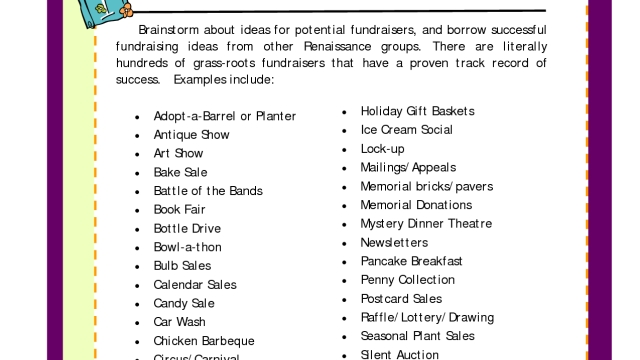
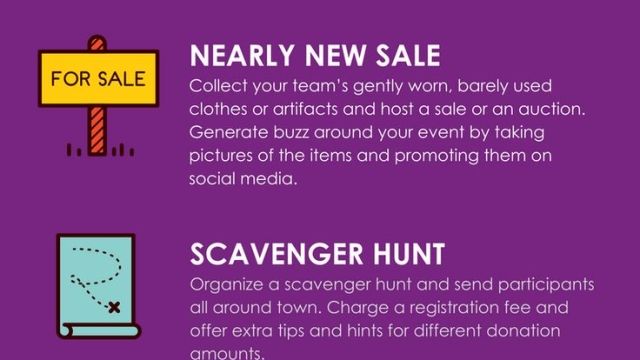
    1. PTO fundraising idea

      Engage through storytelling:
      One of the most effective strategies for online charity fundraising lies in the power of storytelling. Sharing compelling stories of those who have benefited from the charity’s initiatives can touch the hearts of potential donors and inspire them to take action. By conveying the impact of their contributions, nonprofits can connect with individuals on a personal and emotional level, making them more likely to support the cause.

    2. Leverage social media platforms:
      In today’s digital age, social media has become an integral part of our lives. Nonprofits can harness the power of social media platforms to amplify their message and reach a wider audience. By utilizing platforms like Facebook, Twitter, and Instagram, charities can promote their fundraising campaigns, share updates on their progress, and engage with supporters in real-time. Leveraging hashtags and encouraging supporters to share the campaign’s message can also generate viral awareness and attract new donors.

    3. Utilize peer-to-peer fundraising:
      Peer-to-peer fundraising is a powerful strategy that taps into the networks and connections of individual supporters. By empowering existing donors and supporters to create personal fundraising pages, nonprofits can extend the reach of their campaigns. These pages allow individuals to share personal stories and reasons for supporting the cause while encouraging their friends, family, and colleagues to donate. This strategy leverages the power of personal networks, increasing the potential for broader impact and greater fundraising success.

    Remember, online charity fundraising requires consistent effort, creativity, and adaptability. By implementing these strategies, nonprofits can unlock the full potential of digital platforms, revolutionizing the way they engage with donors and make a difference in the world.

  • The Virtual Philanthropy Revolution: Unleashing the Power of Online Charity Fundraising

    The world of philanthropy has been undergoing a transformation in recent years, thanks to the increasingly prevalent use of online platforms for fundraising. Online charity fundraising has emerged as a powerful tool, offering a convenient way for both individuals and organizations to contribute to causes close to their hearts. With just a few clicks, anyone can become a catalyst for positive change, tapping into the vast potential of virtual communities to make a real impact in the world.

    The rise of online charity fundraising has revolutionized the way we engage with and support charitable causes. In the digital age, geographical boundaries have become increasingly irrelevant, enabling a global exchange of compassion and generosity. Whether it’s a small donation from an individual thousands of miles away or a massive fundraising campaign launched by a renowned organization, the power of online platforms to connect people and amplify their philanthropic efforts is truly remarkable. By utilizing the reach and accessibility of the internet, online charity fundraising has brought charitable giving to the fingertips of millions, inviting them to be part of a global movement towards a better future.

    The Rise of Online Charity Fundraising

    In recent years, online charity fundraising has experienced a remarkable surge in popularity and impact. Through the power of the internet, individuals and organizations now have the ability to harness the collective goodwill of people from all corners of the globe. This newfound accessibility has revolutionized the way charitable causes are supported and funds are raised.

    One of the key drivers behind the rise of online charity fundraising is its convenience and ease of use. With just a few clicks, anyone can create or contribute to a fundraising campaign, eliminating the need for time-consuming and sometimes costly traditional fundraising methods. This accessibility has opened up a world of possibilities, allowing individuals who may not have had the means to participate in charitable endeavors before to now make a significant difference.

    Additionally, the unrivaled reach of the internet has enabled online charity fundraising to transcend geographical boundaries. No longer confined to a single community or region, online campaigns have the power to connect people worldwide. This global network of support not only increases the potential for funds raised but also amplifies awareness for a given cause, spreading its message to an exponentially larger audience.

    Moreover, online charity fundraising has been successful in tapping into the innate human desire to make a positive impact. By providing a platform that is intuitive, engaging, and shareable, individuals are incentivized to get involved and rally others to support their chosen causes. The ability to track the progress of fundraising campaigns in real-time and witness the collective impact being made serves as a powerful motivator, inspiring continued engagement and participation.

    In conclusion, the rise of online charity fundraising has ushered in a new era of philanthropy. Its convenience, global reach, and ability to engage and inspire individuals have made it a powerful tool for effecting positive change in the world. As technology continues to evolve and connectivity increases, online charity fundraising holds immense potential to unleash the collective power of global communities on a scale never seen before.

    Benefits and Challenges of Online Fundraising Platforms

    Online charity fundraising has revolutionized the way individuals and organizations can contribute to important causes. Through the power of the internet, these platforms have brought about numerous benefits and opportunities, while also presenting certain challenges that need to be addressed.

    1. Accessibility and Reach:
      Online fundraising platforms have broken down geographical barriers and made it easier for people from all corners of the globe to contribute to charitable causes. With just a few clicks, individuals can make donations from the comfort of their homes, allowing for a wider reach and increased participation. This accessibility has empowered both donors and beneficiaries, creating a global network of support.

    2. Efficiency and Transparency:
      One of the key advantages of online fundraising platforms is the increased efficiency in collecting and distributing funds. These platforms provide a streamlined process, allowing for secure and rapid transactions. Moreover, the transparency offered by these platforms ensures that donors can track how their contributions are being utilized, fostering trust and accountability.

    3. Engaging and Empowering Donors:
      Online fundraising platforms have transformed the way donors can engage and contribute to causes they care about. Through these platforms, individuals can not only donate, but also actively participate in various campaigns, events, and social media initiatives. This interactive nature of online fundraising fosters a sense of community and empowerment, enabling donors to have a more profound impact on the causes they support.

    However, despite their many benefits, online fundraising platforms also present challenges that need careful consideration. Issues of cybersecurity, privacy, and data protection must be addressed to ensure the safety of donors’ personal and financial information. Additionally, while online platforms may provide wider access, it is important to bridge the digital divide to ensure inclusivity for all potential donors.

    In conclusion, online fundraising platforms have revolutionized the way charities and individuals connect, contributing to the growth of philanthropy worldwide. The benefits of accessibility, efficiency, and empowerment are significant, but challenges such as cybersecurity and inclusivity must be addressed to maximize the potential of these platforms in creating positive social change.

    Strategies for Successful Online Charity Fundraising

    When it comes to online charity fundraising, implementing effective strategies can make all the difference in achieving your goals. Here are some key strategies to consider:

    1. Engage and Inspire:
      Connect with your audience on an emotional level by sharing impactful stories and compelling visuals that illustrate the importance of your cause. Create a sense of urgency and make it easy for individuals to donate and spread the word about your campaign.

    2. Leverage Social Media:
      Utilize the power of social media platforms to reach a wider audience and generate buzz around your fundraising efforts. Share regular updates, behind-the-scenes content, and gratitude posts to keep your supporters engaged. Encourage them to share your posts with their networks to expand your reach even further.

    3. Personalized Communication:
      PTO fundraising idea
      Develop a personalized approach by segmenting your donors based on their interests and past contributions. Tailor your communication to resonate with each group, whether it’s through personalized emails, targeted social media ads, or direct messages. Make your supporters feel valued and appreciated for their ongoing involvement.

    By employing these strategies, you can maximize the potential of online charity fundraising and unlock a whole new level of support for your cause. Remember, building strong relationships with your donors is the key to long-term sustainability and impact.

  • Unleashing Generosity: The Power of Online Charity Fundraising

    In today’s digital age, the power of online charity fundraising has become an incredible force to be reckoned with. The rise of technology and the internet has opened up a whole new world of opportunities for organizations to connect with generous individuals who are looking to make a difference. With just a few clicks, people from all corners of the globe can now contribute to causes they are passionate about, making philanthropy more accessible and convenient than ever before.

    One of the key advantages of online charity fundraising is its ability to reach a much wider audience compared to traditional methods. Gone are the days of door-to-door campaigns or relying solely on local events to raise funds. Through the vast reach of the internet, organizations can now tap into a global network of potential donors, breaking down geographical barriers and enabling them to make a meaningful impact on a much larger scale.

    Furthermore, online charity fundraising also provides a level of transparency that was previously unfathomable. Donors can now easily research and verify the legitimacy and impact of organizations before deciding to contribute, ensuring that their hard-earned money goes to causes they truly believe in. This increased transparency not only builds trust between donors and organizations but also fosters a sense of accountability for the effective use of funds.

    Overall, online charity fundraising has revolutionized the way we give, allowing us to unleash the power of generosity on an unprecedented scale. With its ease of use, global reach, and transparent nature, it has opened up endless possibilities for both donors and organizations alike. So, whether you’re looking to support a local initiative or make a global impact, embracing online charity fundraising is a surefire way to make your contribution count.

    PTA fundraising ideas

    The Rise of Online Charity Fundraising

    When it comes to raising funds for charitable causes, the emergence of online platforms has revolutionized the way we donate and support those in need. Online charity fundraising has gained immense popularity in recent years, providing individuals and organizations with the power to make a difference at the click of a button. This innovative approach has opened up new avenues for philanthropy, making it convenient, accessible, and impactful for both donors and recipients.

    One of the key reasons behind the rise of online charity fundraising is the wide reach it offers. Through various digital platforms, individuals can connect with causes that resonate with them, regardless of geographical boundaries. This means that a donor in one part of the world can now support a cause in another part, breaking down limitations and enabling global collaboration for positive change.

    Moreover, online charity fundraising brings transparency and accountability to the forefront. Donors can readily access information about the charitable projects they support, including how their contributions are being utilized. This level of transparency not only instills trust in potential donors but also creates a sense of responsibility among organizations, pushing them to prove the impact of their initiatives.

    Additionally, the convenience factor cannot be overlooked. With just a few clicks, individuals can donate to their chosen causes, eliminating the need for physical paperwork or time-consuming processes. This ease of use has not only made it more convenient for donors to contribute but has also enabled charities to reach wider audiences who may not have been able to engage in traditional fundraising methods.

    As the digital landscape continues to evolve, online charity fundraising is set to play an even more significant role in the philanthropic ecosystem. By harnessing the power of technology and leveraging the generosity of individuals worldwide, we have the potential to address pressing societal issues and make a lasting impact on the lives of those in need.

    Benefits of Online Charity Fundraising

    1. Increased Reach and Accessibility: Online charity fundraising allows organizations to reach a broader audience, transcending geographical boundaries. With just a few clicks, potential donors from anywhere in the world can contribute to a cause they believe in. This accessibility enables charities to connect with more people and receive donations from a diverse range of supporters.

    2. Convenience and Ease of Use: Online platforms have made it effortless for individuals to contribute to charitable causes. Donors can easily navigate through user-friendly websites and donate funds securely within minutes. The ability to make quick and hassle-free donations encourages more people to participate and support various charitable initiatives.

    3. Enhanced Transparency and Accountability: Online charity fundraising platforms often provide donors with detailed information about how their contributions are being used. This transparency builds trust and confidence among donors, as they can see the impact their donations have on the cause they support. Additionally, these platforms often have built-in systems to ensure accountability, further assuring donors that their funds are being utilized effectively.

    Overall, online charity fundraising offers several advantages, such as reaching a wider audience, convenience for donors, and increased transparency. These benefits have revolutionized the way charities raise funds and connect with supporters, ultimately helping them achieve their humanitarian goals more efficiently.

    Tips for Successful Online Charity Fundraising

    1. Clearly Outline Your Cause

    When embarking on online charity fundraising, it is crucial to clearly outline the cause you are supporting. Potential donors need to understand the importance and impact of your mission. Use concise and compelling language to explain why your cause matters and the specific goals you aim to achieve. By effectively communicating the purpose and urgency of your campaign, you are more likely to attract the support of generous individuals.

    1. Leverage Social Media Platforms

    In today’s digital age, leveraging social media platforms is an invaluable tool for successful online charity fundraising. Utilize platforms such as Facebook, Twitter, Instagram, and LinkedIn to spread awareness about your campaign. Engage with your audience through compelling stories, images, and videos, creating a personal connection that inspires them to share and contribute to your cause. Remember to use relevant hashtags, tag influential individuals or organizations, and encourage your supporters to share your posts to reach a wider audience.

    1. Show Gratitude and Provide Updates

    Gratitude and transparency are key factors in maintaining donor engagement and building long-term relationships. Make sure to express your gratitude to your supporters by sending personalized thank-you messages, highlighting the impact of their contributions. Additionally, provide regular updates on the progress of your campaign, showcasing how their generosity is making a difference. By involving your donors in the journey and consistently showing appreciation, you can foster trust and encourage continued support.

    Remember, successful online charity fundraising requires effective communication, utilizing social media platforms, and nurturing donor relationships through gratitude and transparency. Implementing these tips will not only help you reach your fundraising goals but also establish a strong and loyal community of supporters.

  • Unlocking the Power of Online Giving: Revolutionizing Charity Fundraising

    In today’s digital age, the power of online giving is revolutionizing the world of charity fundraising. With just a few clicks, individuals can now make a difference in the lives of others, extending their support to causes that resonate with them on a global scale. Online charity fundraising has become a game-changer, breaking down barriers and empowering both individuals and organizations to create a tangible impact in an increasingly interconnected world.

    Gone are the days of traditional fundraising methods, such as door-to-door campaigns or galas. With the rise of online platforms and social media, the world of giving has experienced a remarkable transformation. Now, more than ever, people have the ability to support causes that align with their values from the comfort of their own homes. Whether it’s contributing to disaster relief efforts, providing education to underprivileged children, or supporting environmentally sustainable initiatives, online charity fundraising provides a platform for individuals to connect with organizations and make a difference on a global scale.

    The incredible reach and convenience of online giving have truly revolutionized the way individuals engage with charities. No longer limited by geographic boundaries or restricted by time constraints, online platforms make it easier than ever to support causes that matter. From personal fundraisers to crowdfunding campaigns for large-scale projects, the digital realm has unleashed a new era of charitable giving, facilitated by technology and driven by the passion of individuals who want to make a positive impact on the world.

    As we delve further into the realm of online charity fundraising, this article will explore the various benefits, challenges, and strategies associated with this powerful tool for social change. By unlocking the true potential of online giving, we can pave the way for a future where charitable efforts are seamlessly integrated into our interconnected lives, driving meaningful impact and revolutionizing the world of charity fundraising.

    The Rise of Online Charity Fundraising

    In recent years, online charity fundraising has experienced a remarkable surge in popularity and efficacy. With the advent of technology, the world of philanthropy has been revolutionized, connecting individuals from all corners of the globe and providing opportunities for widespread impact. Through the power of the internet, online charity fundraising has emerged as an accessible and convenient way for individuals and organizations to make a difference.

    One of the key factors contributing to the rise of online charity fundraising is the widespread use of social media platforms. With billions of active users worldwide, platforms such as Facebook, Twitter, and Instagram have become powerful tools for raising awareness and mobilizing support for various causes. The ability to share compelling stories, captivating visuals, and impactful campaigns on these platforms has made it easier than ever before for individuals to get involved and contribute to charitable initiatives.

    Furthermore, the convenience and accessibility offered by online charity fundraising have played a significant role in its growing popularity. Unlike traditional fundraising methods, which often require physical presence or extensive logistical arrangements, online platforms provide a simple and user-friendly interface for individuals to donate and support causes they care about. Whether it’s a one-time contribution or recurring monthly donations, online charity fundraising platforms offer flexibility and convenience for both donors and organizations, removing barriers that could previously hinder participation.

    In addition to convenience, online charity fundraising has also opened up new avenues for transparency and accountability. Through digital platforms, donors can easily access information about the impact of their contributions, enabling them to make informed decisions and build trust with the organizations they support. This transparency not only fosters a sense of accountability but also empowers individuals to gauge the effectiveness of various charitable initiatives, encouraging them to actively engage in the causes that resonate with them the most.

    The rise of online charity fundraising is a testament to the power of technology in driving positive social change. By harnessing the potential of the internet and leveraging social media platforms, individuals and organizations have unlocked new possibilities for creating meaningful impact in the world of philanthropy. As technology continues to advance and connectivity expands, it is likely that online charity fundraising will continue to thrive, revolutionizing the way we approach and support charitable causes.

    Benefits of Online Giving

    Online charity fundraising offers numerous benefits that have revolutionized the way people contribute to charitable causes. Through the power of technology, this digital platform has greatly enhanced the efficiency, reach, and impact of charitable giving. Below are three key advantages of engaging in online giving:

    1. Convenience and Accessibility: With online giving, individuals can contribute to their favorite charities from the comfort of their own homes, at any time of the day or night. This convenience eliminates the need for physical visits to donation centers or mailing checks, making it easier for people to support causes they believe in. Additionally, online platforms are made accessible on various devices, allowing donors to contribute using their smartphones, tablets, or computers. The simplicity of the process has empowered more people than ever before to give to charity, removing barriers and reaching a wider audience.

    2. Increased Transparency: Online giving platforms provide a high level of transparency, allowing donors to have complete visibility into how their contributions are being utilized. Charities often provide real-time updates on the impact of donations, sharing stories and success metrics to build trust and accountability. This transparency builds confidence among donors, as they can witness firsthand how their contributions are making a positive difference in people’s lives. It fosters a sense of connection and ensures that charitable organizations are held responsible for their actions.

    3. Amplified Reach and Collaboration: Through online giving, charities can effortlessly extend their reach to a global scale. Social media platforms enable organizations to connect with potential donors from all corners of the world. This expanded reach not only allows charities to attract more supporters but also facilitates collaborations between like-minded individuals and organizations. Online networks and communities encourage individuals to come together, creating a collective impact that goes beyond individual donations. By leveraging the power of technology and social sharing, online giving has created opportunities for new partnerships and collaborations, leading to more robust and sustainable solutions for societal challenges.

    In the next section, we will explore the various strategies and tools that have contributed to the success and growth of online charity fundraising. Stay tuned to uncover the potential of this digital revolution in transforming the landscape of philanthropy.
    ###Best Practices for Successful Fundraising

    1. Engage with a Compelling Story:
      Telling a compelling story is crucial when it comes to online charity fundraising. Capture the attention and emotions of your potential donors by sharing stories of individuals who have benefited from the support provided by your organization. Paint a vivid picture of the impact your charity has made and the lives it has transformed. Personal anecdotes and testimonials can help foster a sense of connection and inspire potential donors to take action.

    2. Utilize Social Media and Online Platforms:
      Leverage the power of social media and online platforms to expand your reach in the world of online fundraising. Create engaging content and regularly update your profiles to keep your audience informed and engaged. Use visually appealing images, videos, and infographics to make your posts stand out. Collaborate with influencers and consider running targeted online campaigns to reach new supporters. Encourage your existing donors to share your cause with their networks, thus maximizing your impact and online presence.

    3. Build Strong Relationships and Show Appreciation:
      PTA fundraiser ideas
      Building strong relationships with your donors is key to successful online fundraising. Acknowledge and appreciate their support by sending personalized messages and thank-you notes. Offer exclusive updates and behind-the-scenes content to make your supporters feel valued. Regularly communicate the impact of their contributions, illustrating how their donations have made a tangible difference. By cultivating a sense of community and demonstrating genuine appreciation, you can foster long-lasting relationships with your donors, leading to continued support and goodwill.

    Remember, these best practices are not exhaustive, and experimentation is key. Learn from your fundraising efforts, analyze your data, and adapt your strategies accordingly. With dedication and creativity, online charity fundraising has the potential to revolutionize how we support and uplift communities in need.

  • Unveiling the Art of Whisky: Delve into the World of Sublime Spirits

    Whisky, often considered the refined elixir of connoisseurs, has been captivating and intriguing spirits enthusiasts for centuries. With its rich history, complex flavors, and intricate production process, whisky has become synonymous with sophistication and fine taste. Whether savored neat, on the rocks, or in a creative cocktail, this amber nectar has a charm that transcends borders and seduces the palate with every sip.

    Steeped in tradition and craftsmanship, whisky embodies the art of distillation, a meticulous process that is as much science as it is an expression of artistry. Made from fermented grain mash, typically barley, whisky goes through a series of carefully orchestrated steps, from malting and mashing to fermentation and distillation. The spirit is then aged in wooden barrels, allowing it to mature and develop its distinct character over time. Each distillery brings its own unique touch to the process, resulting in a vast array of flavors, aromas, and styles that can transport us to different corners of the world with each glass.

    Join us on a journey through the spirited world of whisky, as we peel back the layers of history, demystify the production techniques, and explore the nuances of this beloved libation. From the peaty wonders of Islay to the elegant single malts of Speyside, we will delve into the regional specialties and delve into the stories behind the legendary distilleries. From the novice enthusiast to the seasoned aficionado, there is something truly captivating about the art of whisky, and we invite you to indulge your senses and embark on this intoxicating adventure with us.

    History and Origins

    Whisky, also known as whiskey in some regions, has a rich and fascinating history that dates back centuries. Its origins can be traced back to ancient civilizations who first discovered the delightful alchemy of fermented grains. The exact origin of whisky is still a topic of debate among historians, but it is generally agreed upon that it began its journey in the Celtic lands of Scotland and Ireland.

    In the misty hills and lush green valleys of Scotland, the art of whisky-making flourished. The Scots are considered the pioneers of this captivating craft, with records dating back at least a few hundred years. Here, whisky was not just a drink, but a way of life ingrained in Scottish culture and tradition.

    Meanwhile, across the Irish Sea, the Irish were perfecting their own unique style of whisky. Irish whiskey, with its triple-distillation process, created a smoother and lighter spirit compared to its Scottish counterpart. The Irish took pride in their whiskey-making techniques, and it gained popularity not only in Ireland but also around the world.

    As the centuries passed, whisky continued to evolve and expand its reach. Distilleries sprung up in different parts of the world, each embracing their own regional influences and methods. From the traditional Scotch whiskies to the smooth and sweet American bourbons, the whisky family grew to encompass a wide range of flavors and styles.

    Stay tuned for the next sections of this article as we delve deeper into the captivating world of whisky, exploring its production techniques, diverse types, and the art of appreciating its magnificent flavors.

    The Whisky Making Process

    Whisky, a beloved and time-honored libation, encompasses a fascinating and meticulous process that gives rise to its exceptional flavors. From the careful selection of ingredients to the patient maturation in oak casks, every step in creating this liquid gold contributes to its complexity and allure.

    To begin this journey, the process commences with the careful selection of grains. Often consisting of barley, corn, rye, or wheat, these grains are ground into a fine flour known as grist. This grist is then mixed with water, creating a substance known as mash. Through the process of mashing, the starches present in the grains are converted into fermentable sugars, providing the foundation for the whisky’s flavor development.

    Following the creation of the mash, the liquid is transferred to a vessel called a washback, where yeast is introduced. The yeast ferments the sugars in the mash, a process that typically takes several days. This fermentation yields a liquid known as the wash, showcasing an array of fruity and sweet notes.

    Once the wash is deemed ready, it is distilled in copper stills. Distillation is a transformative process that involves separating the alcohol from the wash through both heat and condensation. The process usually includes two rounds of distillation: the first distillation in a pot still, followed by a second distillation in a spirit still. Each distillation refines the flavors further, purifying the liquid and concentrating its character.

    This brings us to the end of the second section, shedding light on the remarkable journey that whisky undergoes during its creation. In the next and final section, we will explore the crucial role of maturation and how it imparts the whisky with its distinctive oaky flavors and rich amber hues. Stay tuned for the culmination of our whisky expedition.

    Exploring Different Whisky Styles

    Whisky, a legendary spirit cherished by connoisseurs around the globe, offers an incredibly diverse range of styles that captivate the senses. From smoky and peaty to smooth and fruity, whisky presents a myriad of flavors and aromas that showcase its intricate craftsmanship.

    One of the most renowned whisky styles is Scotch whisky. Hailing from Scotland, this esteemed spirit is divided into several subcategories, including Single Malt Scotch and Blended Scotch. Single Malt Scotch is known for its complex flavor profile derived from malted barley and aged in oak casks. On the other hand, Blended Scotch combines malt and grain whiskies to create a harmonious blend that offers a balance of character and smoothness.

    Moving across the Atlantic, American whisky, or bourbon, steals the spotlight with its distinctive sweetness. Produced primarily in the United States, bourbon undergoes a strict aging process in charred oak barrels, imparting a warm caramel and vanilla essence. Its velvety texture and rich, full-bodied flavor make bourbon a favorite choice for sipping neat or in classic cocktails such as the Old Fashioned and Mint Julep.

    Lastly, we venture to the land of the rising sun, where Japanese whisky has been making waves in the whisky industry. Drawing inspiration from the Scottish distillation techniques, Japanese whisky showcases a remarkable blend of tradition and innovation. With its delicate and refined character, Japanese whisky often exhibits notes of white flowers, fresh fruit, and a subtle hint of oak, captivating whisky enthusiasts with its elegant and nuanced flavor profile.

    Hibiki

    In conclusion, exploring the various whisky styles is a journey into the artistry and craftsmanship behind this exceptional spirit. Whether you prefer the robustness of Scotch whisky, the sweetness of American bourbon, or the elegance of Japanese whisky, there is a whisky style to suit every discerning palate. So raise your glass and embark on a captivating exploration of the sublime world of whisky.

  • Insuring Your Business: Navigating The World of Commercial Insurance

    Thinking about the future success of your business requires careful consideration of potential risks. Commercial Insurance is an essential tool to safeguard your enterprise against unexpected events that could have significant financial implications. From liability claims to cyber threats, having the right insurance coverage can provide you with peace of mind and protect your business from potential pitfalls. In this article, we will explore the various types of commercial insurance available and guide you through the process of selecting the right coverage for your specific needs. Whether you are a seasoned entrepreneur or just starting out, navigating the world of commercial insurance can be overwhelming. However, armed with the right knowledge and understanding, you can confidently make informed decisions to safeguard your business and its future endeavors. So, let’s delve into the world of commercial insurance and take the first steps towards securing the longevity and success of your enterprise.

    Understanding Commercial Insurance

    Commercial insurance is an essential element in protecting your business from potential risks and liabilities. As a business owner, it is crucial to have a comprehensive understanding of the different types of commercial insurance policies available to ensure proper coverage. This article aims to shed light on the fundamentals of commercial insurance and its significance in safeguarding your business’s interests.

    One of the most common types of commercial insurance is general liability insurance. This policy provides coverage for claims related to bodily injury, property damage, and personal injury that may occur on your business’s premises or as a result of your products or services. General liability insurance acts as a safety net, shielding your business from the financial burden that such claims can cause.

    General Liability Insurance Ohio

    Another important type of commercial insurance is workers’ compensation insurance. This policy is specifically designed to provide benefits to employees who sustain work-related injuries or illnesses. In many jurisdictions, it is a legal requirement for businesses to carry workers’ compensation insurance. By providing wage replacement and medical benefits, this policy not only protects your employees but also safeguards your business from potential lawsuits arising from workplace accidents.

    In this increasingly digital age, cyber liability insurance has become a critical component of commercial insurance coverage. With cyber threats becoming more prevalent and sophisticated, businesses need to protect themselves from potential data breaches, cyber-attacks, and other cyber-related risks. Cyber liability insurance helps cover the costs associated with cyber incidents, such as data recovery, legal expenses, and notification to affected individuals.

    Understanding the different types of commercial insurance policies, such as general liability insurance, workers’ compensation insurance, and cyber liability insurance, is crucial for ensuring the financial security and longevity of your business. By adequately assessing your business’s needs and risks, you can choose the appropriate insurance coverage to mitigate potential losses and protect your business’s reputation.

    Protecting Your Business with General Liability Insurance

    General Liability Insurance is a crucial safeguard for businesses of all sizes and industries. It provides vital protection against common risks and liability claims that can arise from accidents, injuries, or damage caused by your business operations. Having this type of insurance coverage can offer peace of mind and financial protection, allowing you to navigate potential legal issues and unexpected situations confidently.

    One significant advantage of General Liability Insurance is its broad scope of coverage. It typically includes protection against third-party bodily injury, property damage, and personal injury claims. For instance, if a customer slips and falls in your store or office, suffering an injury, your General Liability Insurance can help cover their medical expenses and legal fees, if applicable. This coverage extends to accidents that may occur on your business premises, including parking lots and walkways.

    Moreover, General Liability Insurance can also protect your business against claims of slander, libel, or copyright infringement. In today’s digital age, where information spreads quickly and opinions are easily shared, businesses face an increased risk of being accused of damaging someone’s reputation or infringing on their intellectual property. With proper insurance coverage, you can mitigate the financial burden associated with such claims and focus on growing your business.

    Additionally, General Liability Insurance often includes coverage for product liability claims. This is particularly relevant for businesses engaged in manufacturing, distributing, or selling products. If a product you produced or distributed causes harm or injury to a customer, your policy can help cover legal costs, medical expenses, and potential damages awarded to the affected party. This protection can be essential in safeguarding your business’s viability and reputation.

    To ensure adequate protection for your business, it is important to carefully assess your specific needs and risks. General Liability Insurance can be tailored to suit your industry, size, and specific operations. Consulting with an experienced insurance professional will help you understand the coverage options available and select the policy that best aligns with your business requirements.

    Remember, accidents and unforeseen events can happen at any time. By securing adequate General Liability Insurance, you can proactively protect your business, minimize potential risks, and focus on what truly matters – running and growing your company.

    Securing Your Business from Cyber Risks with Cyber Liability Insurance

    In today’s digitally connected world, the importance of protecting your business against cyber risks cannot be overstated. Cyberattacks and data breaches pose a significant threat to businesses of all sizes, leading to financial losses, reputational damage, and legal liabilities. To safeguard your business from these cyber risks, investing in cyber liability insurance is crucial.

    Cyber liability insurance provides coverage for expenses and losses incurred due to cyber incidents. This specialized type of insurance helps businesses in various ways. First and foremost, it covers the costs associated with data breaches, including forensic investigations, notifying affected individuals, and offering credit monitoring services. By having this coverage, you can mitigate the financial burden that comes with managing a data breach.

    Furthermore, cyber liability insurance can protect your business against legal claims and regulatory fines resulting from cyber incidents. It covers legal expenses, settlements, and judgments, offering you peace of mind in case of a lawsuit. Additionally, this insurance can provide coverage for business interruption losses, helping you recover lost income if your operations are disrupted due to a cyber event.

    As cyber threats continue to evolve, it is essential to review and update your cyber liability insurance regularly. Work closely with your insurance provider to ensure you have adequate coverage for emerging risks. By implementing robust cybersecurity measures and obtaining cyber liability insurance, you can fortify your business against the ever-present cyber risks, safeguarding your operations, customers, and reputation.

  • Understanding the Safety Net: Demystifying General Liability Insurance

    Sure, here are a couple of introductory paragraphs for the article:

    Insurance plays a crucial role in safeguarding businesses against unforeseen risks and potential financial losses. Among the various types of commercial insurance, General Liability Insurance stands as a vital safety net for businesses of all sizes. By understanding the intricacies of General Liability Insurance, entrepreneurs can gain crucial insights into protecting their enterprises from legal liabilities, property damage, and potential lawsuits.

    General Liability Insurance, often referred to as GLI, provides coverage against a wide range of risks that businesses may face in their day-to-day operations. It serves as a foundational insurance policy that protects businesses from third-party claims arising from bodily injuries, property damage, personal and advertising injuries, and more. This type of insurance covers businesses against common accidents, such as slip and fall incidents, product liability claims, and property damage caused by their operations or products. With General Liability Insurance, businesses can take proactive steps towards mitigating financial risks associated with legal claims, allowing them to focus on their core operations with peace of mind.

    Remember that you can always customize or expand upon these paragraphs as needed to fit your article.

    1. Commercial Insurance

    Commercial insurance plays a crucial role in protecting businesses against unforeseen risks and liabilities. It is a type of insurance coverage specifically designed to safeguard businesses from financial losses that may arise due to property damage, injuries, or legal claims. Commercial insurance acts as a safety net, providing businesses with the necessary support and financial stability in times of crisis.

    When considering commercial insurance, one of the key components to understand is general liability insurance. This type of insurance coverage forms the foundation of a comprehensive commercial insurance policy. It offers protection against third-party bodily injury, property damage, and personal injury claims that may arise during the course of business operations. General liability insurance ensures that businesses can confidently navigate the challenges they encounter, knowing they have financial protection against potential legal claims.

    Another essential aspect of commercial insurance is workers’ compensation insurance. This coverage is designed to protect both employers and employees in the event of work-related injuries or illnesses. Workers’ compensation insurance provides medical benefits, wage replacement, and rehabilitation services to employees who are injured on the job. By providing this coverage, businesses can ensure the well-being of their workforce and mitigate the potential financial burden associated with workplace accidents.

    In today’s technologically advanced world, cyber liability insurance has emerged as a critical component of commercial insurance. With businesses relying heavily on digital infrastructure, the risk of cyber attacks and data breaches is a constant concern. Cyber liability insurance helps businesses recover from the financial losses and reputational damage resulting from cyber incidents. It covers expenses related to data breaches, customer notification, legal fees, and public relations efforts.

    In conclusion, commercial insurance is an essential safety net for businesses, protecting them against various risks and liabilities. Understanding the different types of commercial insurance, such as general liability insurance, workers’ compensation insurance, and cyber liability insurance, is crucial for businesses to ensure comprehensive coverage and financial security. By demystifying general liability insurance and shedding light on the different aspects of commercial insurance, businesses can make informed decisions and safeguard their future.

    2. General Liability Insurance

    General Liability Insurance is an essential component of commercial insurance coverage. It provides protection for businesses against potential financial losses resulting from accidents, injuries, or damage that may occur on their premises or as a result of their operations. This type of insurance acts as a safety net, ensuring that businesses are not left financially vulnerable in the face of unexpected events.

    One of the main advantages of General Liability Insurance is that it covers a wide range of risks that businesses may face. It typically includes coverage for bodily injury, property damage, personal and advertising injury, and medical payments. This means that if a customer slips and falls in your store, or if your company inadvertently damages someone else’s property while working on a project, General Liability Insurance can help cover the costs associated with lawsuits, settlements, or medical expenses.

    General Liability Insurance Ohio

    Another crucial aspect of General Liability Insurance to consider is its potential synergies with other types of insurance. For instance, it can work hand in hand with Workers’ Compensation Insurance to ensure that both employees and third parties are protected in case of workplace accidents. Additionally, as cyber threats become increasingly prevalent, some insurance providers offer endorsements or add-ons that extend General Liability Insurance to include coverage for cyber liability risks. This helps businesses navigate the complexities of the digital world and safeguards them against losses resulting from data breaches, hacking, or other cyber events.

    In summary, General Liability Insurance serves as a fundamental safety net for businesses, allowing them to operate with peace of mind. It provides coverage for a broad range of risks, ensuring that financial losses resulting from accidents, injuries, or property damage do not derail a business’s operations or threaten its financial stability. By understanding the scope and importance of General Liability Insurance, businesses can make informed decisions to protect their interests and mitigate potential risks effectively.

    3. Workers’ Compensation Insurance

    Workers’ Compensation Insurance is an essential component of a comprehensive business insurance plan. This type of insurance provides financial protection for both employers and employees in the event of work-related injuries or illnesses. It aims to cover medical expenses, rehabilitation costs, and lost wages that employees may incur due to their job-related injuries or illnesses.

    In most jurisdictions, including the United States, Workers’ Compensation Insurance is a legal requirement for businesses with employees. It helps ensure that employees receive the necessary support and compensation in the case of work-related accidents. By having this insurance in place, employers can demonstrate their commitment to the well-being and safety of their workforce.

    Workers’ Compensation Insurance is a specialized form of coverage that is separate from General Liability Insurance. While General Liability Insurance typically covers third-party bodily injury or property damage claims, Workers’ Compensation Insurance specifically focuses on injuries sustained by employees during the course of their employment. This differentiation is important as it helps businesses properly allocate their insurance resources and address their specific needs.

    Moreover, workers’ compensation insurance also helps protect employers against potential legal actions from injured employees. By providing a defined system of compensation through insurance, it helps mitigate the risk of costly lawsuits that can arise from workplace accidents. This ensures a smoother and more efficient process for both parties involved, keeping the focus on recovery and maintaining a harmonious working environment.

    Overall, Workers’ Compensation Insurance is a vital safety net that supports employees and employers alike. It offers financial protection and peace of mind, allowing businesses to confidently navigate the complex landscape of workplace safety. By understanding the importance of Workers’ Compensation Insurance, businesses can ensure they meet legal requirements, provide proper care for their employees, and safeguard their own interests.