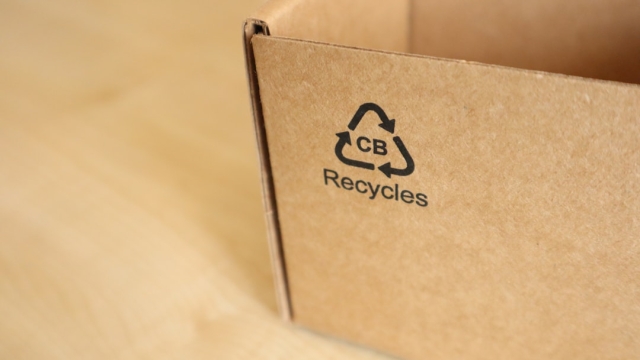

In today’s competitive marketplace, packaging serves as more than just a protective layer for products; it has evolved into a crucial element of brand identity and consumer engagement. The concept of packaging design innovation has gained significant attention as businesses strive to differentiate themselves and create memorable experiences for their customers. This article explores the importance of innovative packaging design, showcases successful case studies, and emphasizes sustainable practices that align with the modern consumer’s values.
Current Trends in Packaging Design Innovation
As consumer preferences evolve, so do the strategies for packaging design. One prominent trend is the shift towards minimalism, where brands opt for simple, clean designs that focus on essential information. This approach not only enhances shelf appeal but also communicates clarity and transparency, which consumers increasingly value. For instance, brands in the food and beverage industry are adopting transparent packaging to showcase product freshness and quality, allowing customers to see what they are purchasing.
Another trend gaining momentum is the use of interactive packaging. Companies are integrating augmented reality features, QR codes, and other technologies that engage consumers beyond the traditional unboxing experience. Such innovations invite customers to interact with the product, leading to enhanced brand loyalty. A well-known example is a beverage brand that implemented a campaign allowing consumers to scan packaging for exclusive content, creating a deeper connection between the product and the consumer.
Case Studies of Innovative Packaging Solutions
Examining successful case studies reveals how packaging design innovation can significantly impact consumer behavior. One notable example is the redesign of a popular snack brand’s packaging, which transitioned from a traditional bag to a resealable pouch. This innovation not only improved convenience for consumers but also extended the product’s shelf life, thereby reducing waste. As a result, the brand reported increased sales and positive feedback from customers who appreciated the functionality.
Another compelling case is a skincare company that reimagined its packaging by using biodegradable materials and incorporating refillable options. This approach not only resonated with environmentally conscious consumers but also elevated the brand’s image as a leader in sustainability. The innovative design not only enhanced the product’s aesthetic appeal but also encouraged repeat purchases, as consumers were motivated to return for refills.
Sustainable Packaging Practices and Innovations
As environmental concerns continue to rise, sustainable packaging practices have become an essential aspect of packaging design innovation. Brands are increasingly focused on reducing their carbon footprint through eco-friendly materials and processes. This includes utilizing recycled materials, biodegradable plastics, and compostable options that minimize waste. For companies looking to integrate these practices, choosing suppliers who prioritize sustainability can make a significant difference in the overall impact.
Additionally, brands are exploring innovative designs that require less material without compromising functionality. For example, some companies are adopting designs that use fewer resources by optimizing package shapes or sizes, which also reduces transportation costs and emissions. The emphasis on sustainability not only appeals to environmentally conscious consumers but also enhances a brand’s reputation as a responsible corporate citizen.
Actionable Insights for Implementing Packaging Design Innovations
For businesses looking to harness the power of packaging design innovation, several actionable strategies can be employed. First, companies should conduct thorough market research to understand consumer preferences and trends. Engaging with consumers through surveys or focus groups can provide invaluable insights into what resonates with them.
Next, collaboration with designers and packaging experts can lead to creative solutions that align with brand values while also being functional and appealing. Investing in prototyping and testing can help identify the most effective designs before full-scale production.
Finally, incorporating sustainable practices into the design process can not only attract environmentally conscious consumers but also contribute to long-term viability. By prioritizing eco-friendly materials and innovative designs, brands can position themselves as leaders in the evolving landscape of packaging.
In conclusion, the realm of packaging design innovation is a dynamic and essential component of modern branding. By embracing innovative approaches and sustainable practices, companies can create meaningful connections with consumers, enhance product appeal, and ultimately drive success in the marketplace. For those interested in exploring more about packaging design innovation, resources can be found at CC Printing, where insights and expertise can guide effective packaging strategies.