Latest

  • The Future of Automotive Retail: A Revolution on Wheels

    Welcome to the exciting world of automotive retail, where innovation and technology are revolutionizing the way we buy cars. In this ever-evolving landscape, car dealerships are no longer mere showrooms; they are becoming immersive experiences that cater to the needs and preferences of modern consumers. Gone are the days of exhaustive visits to multiple dealerships, as advancements in digital platforms have made it possible to access a wealth of information at our fingertips.

    Automotive retail has seen a significant shift towards online shopping, providing a convenient and efficient way for buyers to research, compare, and even purchase vehicles. With a simple click, individuals can now explore an extensive inventory, access detailed specifications, and read reviews from other buyers. This robust online presence has empowered consumers by equipping them with valuable knowledge, enabling them to make more informed decisions.
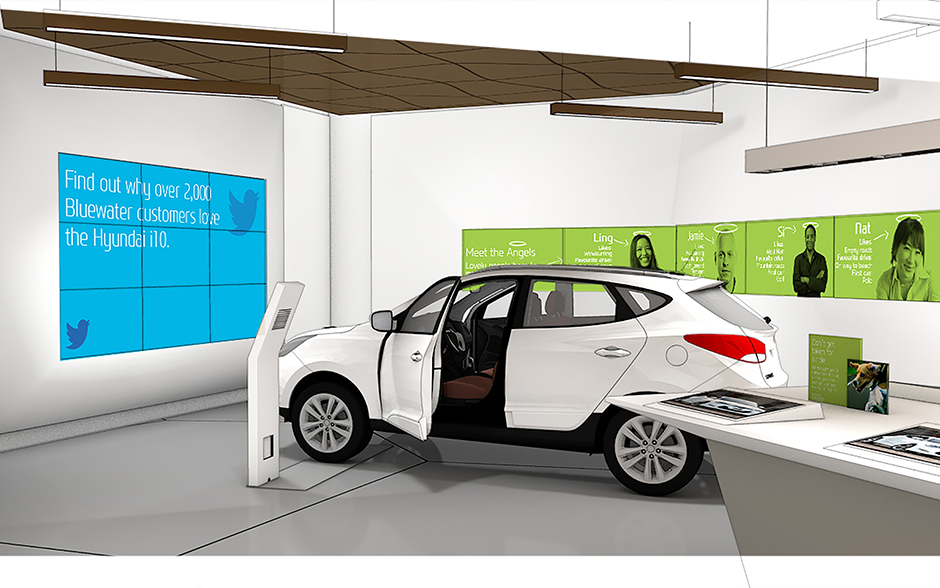
    Guided by this new digital landscape, traditional brick-and-mortar dealerships have also adapted to meet the demands of the modern automotive retail experience. These physical spaces have transformed into dynamic hubs, offering not only a wide range of vehicles but also expert guidance and personalized services. Dealership staff are now equipped with comprehensive knowledge and expertise to guide customers through their journey, ensuring a smooth and enjoyable experience.

    As the automotive retail landscape continues to evolve, technological advancements like augmented reality and virtual reality are poised to become an integral part of the car-buying experience. These technologies will allow customers to explore and interact with vehicles in a virtual environment, providing a realistic preview of features and customization options. With this enhanced visualization, customers will be able to make more confident choices based on their preferences and needs.

    In this article, we will delve deeper into the world of automotive retail, providing a comprehensive guide and insightful information on the transformative changes taking place. From the rise of online platforms to the reimagined dealership experience, we will explore how technology and innovation are reshaping the automotive industry, ultimately empowering consumers in their car-buying journey. Get ready to embark on an exciting revolution on wheels.

    The Rise of Online Car Shopping

    With the advent of the internet, the automotive retail industry has experienced a significant transformation. Online car shopping has gained immense popularity over the years, revolutionizing the way consumers browse, research, and purchase vehicles. This shift has empowered buyers with a wealth of information and streamlined the entire car buying process.

    Gone are the days when visiting multiple dealerships was the only way to find the perfect car. Today, buyers can conveniently explore a vast array of options from the comfort of their own homes. Online platforms provide extensive automotive retail guides and information, allowing consumers to compare prices, features, and read reviews before making a decision.

    The convenience and accessibility of online car shopping have also eliminated geographical limitations. Buyers are no longer restricted to local dealerships, expanding their choices to a global scale. This opens up a world of possibilities, enabling individuals to find their dream vehicles that may not be available within their immediate vicinity.

    In addition to the convenience, online car shopping has also made the purchasing process more transparent. Buyers can easily access vehicle history reports, accident records, and even negotiate prices online. This transparency empowers consumers to make informed decisions, ensuring a fair and satisfactory car buying experience.

    Overall, the rise of online car shopping has revolutionized the automotive retail industry, providing consumers with more choices, information, and convenience than ever before. As technology continues to advance, we can expect further enhancements and innovations in this sector, ultimately shaping the future of automotive retail.

    The Evolution of Dealerships

    The automotive retail industry has undergone a remarkable transformation over the years. Gone are the days when dealerships were merely showrooms with rows of shiny cars on display. With the advent of technology and changing consumer preferences, dealerships have evolved into dynamic spaces that provide a comprehensive automotive retail experience.

    In the past, car buyers would visit dealerships to browse through brochures, interact with salespeople, and take test drives. However, with the rise of the internet and online research, customers now arrive at the dealership armed with a wealth of information. They expect a seamless transition from their online research to the in-person experience.

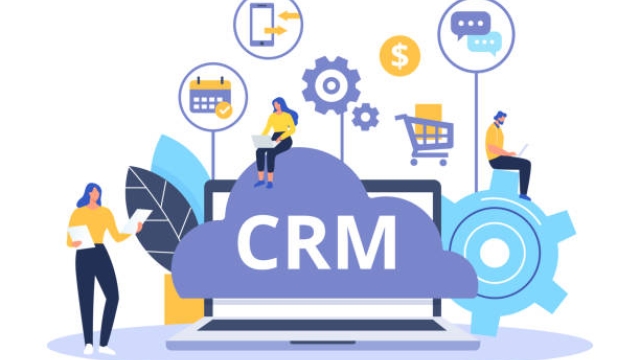
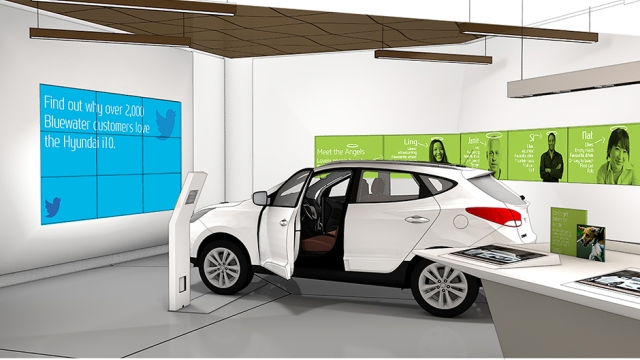
    To meet this demand, dealerships have embraced technology to enhance the customer journey. Interactive digital displays and virtual reality experiences allow prospective buyers to explore the features and customization options of different vehicles. Additionally, advanced CRM (Customer Relationship Management) systems enable salespeople to personalize their interactions based on the customer’s preferences and previous interactions.

    Furthermore, dealerships have expanded their services beyond just selling cars. In-house financing departments offer convenient financing options, while service centers provide maintenance and repair services. Some dealerships have even introduced concierge services, where customers can schedule test drives, make service appointments, and access additional assistance through dedicated mobile apps.

    Maintenance Service Packages

    In conclusion, the evolution of dealerships has been driven by the need to meet the changing demands of customers in the automotive retail industry. Dealerships have transformed into technologically advanced spaces, offering a seamless transition from online research to the in-person experience. By embracing these changes, dealerships are able to provide a comprehensive automotive retail experience and cater to the evolving needs of car buyers.

    The Role of Technology in Automotive Retail

    As the automotive industry continues to evolve, technology is playing an increasingly significant role in reshaping the way we buy cars. From online platforms to virtual reality showrooms, innovative technological advancements are transforming the automotive retail experience.

    One of the key ways technology is revolutionizing automotive retail is through the rise of online car buying platforms. These digital marketplaces provide consumers with a convenient and efficient way to browse, compare, and purchase vehicles from the comfort of their own homes. With just a few clicks, shoppers can access a vast inventory of cars, along with detailed specifications, pricing information, and even customer reviews. This accessibility has not only simplified the car buying process but has also given consumers more transparency and control over their choices.

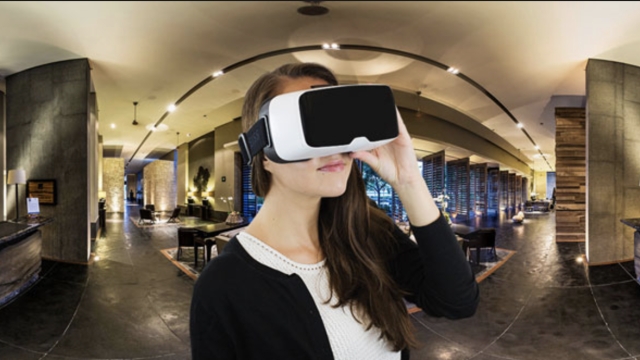
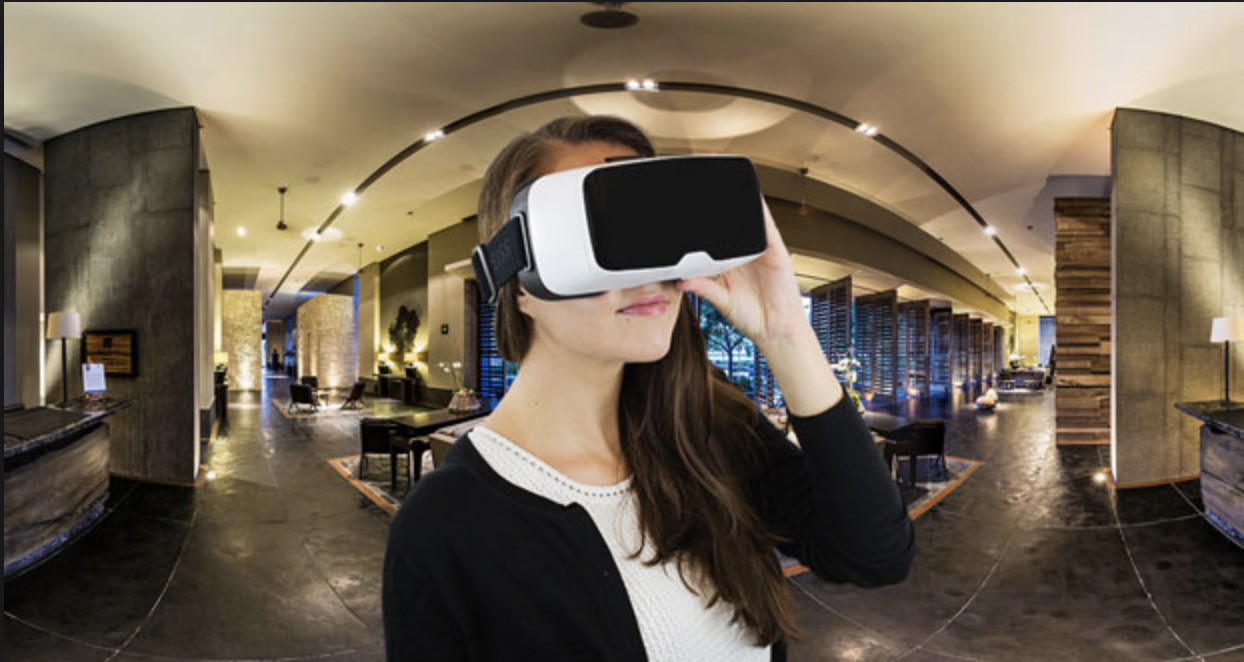
    Another significant technological development in automotive retail is the incorporation of virtual reality (VR) and augmented reality (AR) technology. Through VR and AR showrooms, car buyers can experience a fully immersive virtual environment, enabling them to explore different vehicle models and even customize their options. From virtually sitting inside the car and testing various features to visualizing it in different colors and trims, this technology allows customers to get a more realistic feel for their prospective purchase before visiting a physical dealership.

    Moreover, the introduction of advanced data analytics and artificial intelligence (AI) has revolutionized how automotive retailers interact with customers. By leveraging customer data and preferences, retailers can offer more personalized and targeted marketing campaigns. AI-powered chatbots and virtual assistants also provide instant support and guidance, helping customers navigate the car buying process more efficiently. These technologies enable automotive retailers to better understand their customers’ needs and tailor their offerings accordingly, ultimately enhancing the overall buying experience.

    In conclusion, technology has become a driving force in transforming the automotive retail landscape. Online platforms, virtual reality showrooms, and data-driven insights have revolutionized how consumers buy cars, providing them with more convenience, transparency, and personalized experiences. As technology continues to advance, the future of automotive retail is undoubtedly set to be a seamless blend of innovation and convenience, putting the customer at the forefront of the buying journey.


  • The Future of Automotive Retail: Driving Towards Innovation

    In today’s rapidly evolving automotive industry, retail plays a crucial role in connecting car manufacturers with consumers. With technology advancing at an unprecedented rate and consumer expectations shifting, the future of automotive retail is poised for innovation like never before. As we look ahead, it’s evident that the traditional dealership model is evolving to embrace digital transformation, enhanced customer experiences, and new business models. In this guide to automotive retail, we will explore the key trends shaping the industry, the transformation of the customer journey, and the innovative strategies that are driving this exciting evolution. Whether you’re a car enthusiast, an industry professional, or simply curious about the future of automotive retail, this article will provide valuable insights and information to help navigate this ever-changing landscape. So, buckle up and join us on this fascinating journey towards the future of automotive retail.

    Current Challenges in Automotive Retail

    The automotive retail industry is currently facing several challenges that are driving the need for innovation. These challenges require careful consideration and strategic planning to stay ahead in the competitive market.

    1. Changing Consumer Preferences:
      One of the significant challenges in automotive retail is the constantly evolving preferences of consumers. With advancements in technology and increased access to information, consumers are becoming more knowledgeable and demanding. They expect a personalized and seamless purchasing experience, both online and offline. Automotive retailers need to adapt to these changing preferences by offering innovative services and products that meet the specific needs and expectations of their customers.

    2. Digital Disruption:
      The rise of digital technology has disrupted many traditional industries, and automotive retail is no exception. Online platforms and mobile apps have made it easier for consumers to research and compare different car models, prices, and dealerships. This shift towards digital channels has impacted the traditional brick-and-mortar retail model, leading to the need for online presence and omnichannel strategies. Automotive retailers must invest in digital marketing, e-commerce capabilities, and provide a seamless online-to-offline shopping experience to stay competitive in this digitally-driven era.

    3. Sustainability and Environmental Concerns:
      In recent years, there has been a growing emphasis on sustainability and environmental consciousness. As the automotive industry is a significant contributor to carbon emissions, there is an increasing demand for eco-friendly and fuel-efficient vehicles. Automotive retailers need to adapt to this changing landscape by offering a variety of electric and hybrid vehicle options, as well as promoting sustainable practices throughout their operations. Embracing sustainability not only meets consumer demands but also helps automotive retailers contribute positively to the environment.

    In conclusion, the current challenges in automotive retail call for innovative solutions to address the changing consumer preferences, digital disruption, and sustainability concerns. By embracing these challenges, automotive retailers can position themselves at the forefront of industry advancements and provide an enhanced customer experience.

    Emerging Technologies in the Automotive Retail Industry

    The automotive retail industry is witnessing rapid advancements in technology, paving the way for a more innovative and convenient customer experience. From virtual reality showrooms to online car shopping platforms, emerging technologies are reshaping the landscape of automotive retail. In this section, we will explore three key technologies that are driving this transformation.

    1. Virtual Reality Showrooms: One of the most exciting developments in automotive retail is the integration of virtual reality (VR) showrooms. With VR technology, customers can now explore a wide range of vehicles without actually visiting a physical dealership. These immersive experiences allow potential buyers to interact with different models, customize features, and even take virtual test drives. Virtual reality showrooms eliminate geographical limitations, enabling customers to browse and compare cars from the comfort of their homes.

    2. Artificial Intelligence (AI) and Chatbots: AI-powered chatbots are revolutionizing the way customers engage with automotive retail businesses. These intelligent virtual assistants can provide instant responses to customer queries, offer personalized recommendations, and guide users through the car purchasing process. By leveraging AI technology, automotive retailers can enhance customer service, streamline operations, and gather valuable insights from customer interactions. Chatbots also enable businesses to provide round-the-clock support, ensuring that customers receive assistance whenever they need it.

    3. Internet of Things (IoT) Connectivity: The Internet of Things is playing a pivotal role in transforming the automotive retail industry. Connected cars equipped with IoT technology are enabling new features such as remote vehicle diagnostics, real-time maintenance alerts, and enhanced safety measures. IoT connectivity also allows automotive retailers to gather data on customer preferences and driving habits, enabling them to offer personalized promotions and recommendations. Furthermore, IoT-based inventory management systems can optimize supply chain processes and improve overall operational efficiency for automotive retailers.

    As emerging technologies continue to evolve, the future of automotive retail holds immense potential for innovation and customer-centric experiences. From virtual reality showrooms to AI-powered chatbots and IoT connectivity, these technological advancements are reshaping the way cars are bought and sold. Automotive retailers that embrace these technologies stand to gain a competitive edge and drive towards a more efficient and personalized retail experience for their customers.

    3. Strategies for Successful Innovation in Automotive Retail

    In order to thrive in the ever-evolving landscape of automotive retail, businesses need to adopt innovative strategies to stay ahead of the competition. Here are three effective approaches that can drive success in this industry:

    1. Leveraging Technology for Enhanced Customer Experience
      Embracing technology is key to creating memorable customer experiences. By incorporating digital solutions, such as virtual showrooms, augmented reality vehicle configurators, and online booking platforms, automotive retailers can provide convenience and personalization to their customers. Additionally, leveraging customer data analytics can enable retailers to gain insights into consumer preferences and tailor their offerings accordingly.

    2. Adopting a Multi-Channel Approach
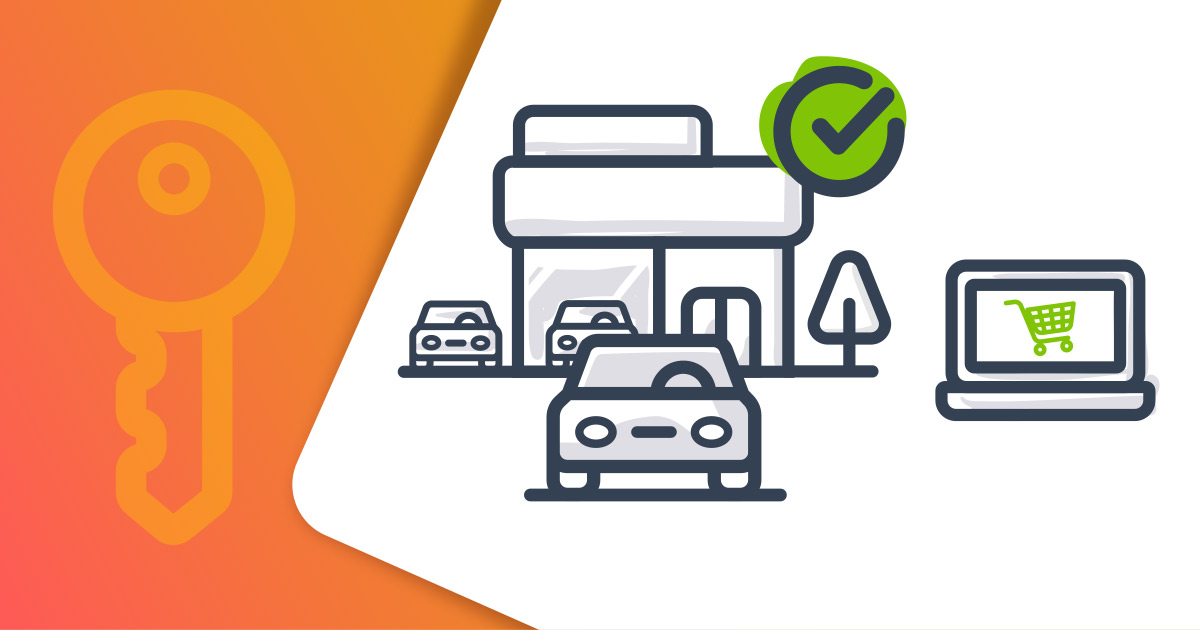
      Automotive retailers should establish a strong presence across various channels to effectively reach and engage with customers. This includes not only traditional brick-and-mortar showrooms but also an active online presence through e-commerce platforms and social media channels. By offering seamless integration between online and offline experiences, retailers can attract customers, build trust, and drive sales.

    3. Investing in Electric and Autonomous Vehicles
      As the automotive industry undergoes a transformative shift towards electric and autonomous vehicles, forward-thinking retailers should invest in these emerging technologies. By offering a diverse range of eco-friendly vehicles and embracing autonomous driving features, retailers can tap into the growing demand for sustainable and technologically advanced transportation options. This proactive approach will position automotive retailers as industry leaders and attract environmentally-conscious and tech-savvy customers.

      New Car Sales

    By implementing these strategies, automotive retailers can navigate the future with innovation, adaptability, and customer-centricity at the forefront of their operations. The key to success lies in embracing change, leveraging technology, and staying ahead of consumer preferences and industry trends

  • Revving Up the Automotive Retail Experience: Unleashing the Power of Innovation

    Revving Up the Automotive Retail Experience: Unleashing the Power of Innovation

    When it comes to the automotive industry, the retail experience plays a vital role in shaping customers’ perceptions and driving their purchasing decisions. With advancements in technology and ever-evolving consumer expectations, automotive retailers are under increasing pressure to deliver an exceptional and innovative buying journey. In this article, we will delve into the world of automotive retail, providing you with a comprehensive guide and essential information to maximize success in this fast-paced and competitive field.

    In today’s dynamic market, simply offering a product is no longer enough. Automotive retailers need to think beyond traditional sales strategies and embrace innovation to create a truly immersive and personalized retail experience. The advent of digital platforms, the rise of e-commerce, and the increasing demand for convenience have sparked a shift in consumer behavior, driving retailers to adapt and transform their operations accordingly. From virtual showrooms and augmented reality test drives to interactive touchpoints and seamless online-offline integration, the possibilities for innovation in the automotive retail space are endless.

    As we uncover the intricacies of automotive retail, we will explore best practices, industry trends, and strategies employed by successful retailers worldwide. Through in-depth analysis and expert insights, we aim to empower both new and seasoned automotive retailers with the knowledge and tools necessary to navigate this ever-evolving landscape. So buckle up and get ready to revamp your automotive retail experience, as we embark on a journey to unleash the power of innovation.

    Seasonal Discount Offers

    1. The Evolution of Automotive Retail

    The automotive retail industry has undergone a remarkable transformation over the years as technology and innovation have revolutionized the way customers interact with the buying process. From traditional showrooms to online platforms, the evolution of automotive retail has significantly reshaped the entire customer journey.

    In the past, purchasing a car involved visiting multiple dealerships, inspecting various models, and negotiating prices with salespeople. However, advancements in digital technology have introduced a new era of convenience and accessibility for consumers. Online platforms now provide vast amounts of information about vehicles, allowing customers to compare prices, features, and even schedule test drives from the comfort of their own homes.

    Furthermore, the rise of e-commerce has brought forth the concept of "click-and-mortar" automotive retail, where traditional dealerships integrate their physical presence with digital channels. This seamless integration allows customers to research and customize their vehicles online before visiting the showroom to finalize the purchase. This blending of virtual and physical spaces provides a more dynamic and comprehensive automotive retail experience.

    As the industry evolves, automotive retailers have also recognized the importance of incorporating innovation in their operations. From virtual reality showrooms to augmented reality vehicle customization, cutting-edge technologies are reshaping the way customers interact with automobiles. By leveraging these innovative tools, automotive retailers can provide a more immersive and engaging experience, enabling customers to visualize their desired vehicle in a more personalized way.

    In conclusion, the evolution of automotive retail has revolutionized the customer experience by offering increased convenience, accessibility, and personalization. Digital platforms and technological advancements have redefined the way customers engage with the buying process, while innovative tools have transformed showrooms into interactive spaces. As the automotive retail industry continues to progress, it is essential for retailers to embrace innovation and leverage these advancements to provide exceptional customer service and drive the future of automotive retail.

    2. Innovations in Automotive Retail

    The automotive retail industry has witnessed a surge of innovations in recent years, revolutionizing the way customers experience and interact with automotive products and services. These innovations have not only enhanced the overall purchasing process but have also paved the way for a more personalized and efficient customer journey.

    One notable innovation in automotive retail is the integration of virtual reality (VR) technology. Through VR, customers can now explore and visualize their dream cars from the comfort of their homes. With immersive experiences, potential buyers can view every intricate detail of a vehicle, from its exterior design to its interior features, enabling them to make more informed decisions before stepping foot onto a physical showroom.

    Another significant innovation is the implementation of artificial intelligence (AI) in automotive retail. AI-powered chatbots have become increasingly common, providing customers with instant access to information and assistance throughout their browsing and buying journey. These intelligent virtual assistants can answer questions, provide product recommendations, and even schedule test drives, simplifying the process and saving valuable time for both customers and sales representatives.

    Furthermore, the rise of online automotive retail platforms has transformed the way people search, compare, and purchase vehicles. These platforms offer comprehensive information about various car models, including specifications, pricing, and customer reviews. With just a few clicks, potential buyers can access a wealth of knowledge, enabling them to conduct thorough research and make informed decisions without the need for extensive visits to physical dealerships.

    Innovations in automotive retail have not only elevated the customer experience but have also streamlined processes for dealerships, allowing them to better serve their customers and improve overall efficiency. With ever-evolving technologies and a customer-centric approach, the automotive retail industry continues to revolutionize the way we buy and interact with cars.

    3. Enhancing the Customer Experience

    In today’s competitive automotive retail landscape, enhancing the customer experience has become paramount. With the rise of digital transformation, customers now have higher expectations when it comes to how they interact with automotive retailers. To stay ahead, businesses must leverage innovative solutions to provide a seamless and personalized experience.

    One way to enhance the customer experience is through the integration of virtual showrooms. By utilizing advanced virtual reality (VR) technology, automotive retailers can transport customers into a virtual space where they can explore different models, customize features, and even take virtual test drives. This immersive experience not only allows customers to have a realistic preview of their potential purchase but also saves time and provides convenience.

    Another aspect of enhancing the customer experience involves improving the transaction process. By implementing efficient and user-friendly online platforms, automotive retailers can streamline the purchasing journey. From browsing inventory to scheduling appointments, a seamless online experience ensures that customers can navigate through the automotive retail process with ease. Additionally, incorporating secure online payment options provides customers with a hassle-free way to complete their purchase.

    Moreover, leveraging data analytics can play a crucial role in personalizing the customer experience. By analyzing customer preferences, behavior patterns, and purchase history, automotive retailers can tailor their offerings, promotions, and recommendations to suit individual needs. This level of personalization strengthens customer loyalty and can drive repeat business.

    Ultimately, in the rapidly evolving world of automotive retail, focusing on enhancing the customer experience is key. By embracing innovative technologies, streamlining the transaction process, and leveraging data analytics, automotive retailers can revolutionize the way customers interact with their brand, fostering long-term relationships and paving the way for continued success.

  • The Future of Automotive Retail: Revolutionizing the Way We Drive

    The future of automotive retail is rapidly evolving, transforming the way we experience and interact with vehicles. As technology continues to advance, the traditional methods of purchasing cars are being revolutionized, ushering in a new era of convenience and innovation. In this automotive retail guide, we will explore the latest trends and advancements that are reshaping the industry, providing you with valuable information to navigate this exciting and dynamic landscape.

    Gone are the days of spending endless hours at dealerships, tirelessly negotiating prices and examining every intricate detail of the vehicles. Automation and digitalization are streamlining the car-buying process, making it faster, simpler, and more accessible than ever before. From virtual showrooms and online marketplace platforms to augmented reality and virtual reality experiences, automotive retailers are finding innovative ways to showcase their inventory and engage customers on a whole new level.

    Not only are these advancements making the automotive retail experience more convenient, but they are also empowering consumers with an abundance of information. With just a few clicks, buyers can access detailed specifications, compare different models, read customer reviews, and even schedule test drives directly from their smartphones. This wealth of information equips consumers with the knowledge they need to make informed decisions, ensuring that they find the perfect vehicle that meets their specific needs and preferences.

    The future of automotive retail is bright and promising, with technology and customer-centric approaches driving the industry forward. As we delve deeper into this automotive retail information guide, we will explore the various aspects of this transformative journey, from the rise of electric and autonomous vehicles to the integration of artificial intelligence and personalized user experiences. Get ready to embark on a thrilling expedition into the future of automotive retail, where innovation and convenience converge to redefine the way we drive.
    ###Advanced Technology in Automotive Retail

    The automotive retail industry is on the brink of a technological revolution that promises to transform the way we drive and purchase vehicles. With advancements in Artificial Intelligence (AI), Internet of Things (IoT), and Augmented Reality (AR), automotive retailers are embracing these cutting-edge technologies to enhance the customer experience and streamline operations.

    One of the key areas where advanced technology is making a significant impact is in the digitization of the automotive retail process. Gone are the days of flipping through brochures and visiting multiple dealerships to compare prices and features. With the help of AI-powered platforms, customers can now access a vast array of automotive retail information online, right at their fingertips. These platforms provide detailed specifications, pricing, and customer reviews, empowering buyers to make informed decisions from the comfort of their own homes.

    Furthermore, IoT-enabled devices are revolutionizing the way vehicles are serviced and maintained. Through the integration of sensors and connectivity, automotive retailers can now remotely monitor and diagnose vehicle performance in real-time. This not only enables proactive maintenance and reduces downtime but also enhances customer satisfaction by minimizing the need for unscheduled repairs. The convenience of IoT extends to the customers as well, who can receive timely updates and alerts regarding their vehicle’s maintenance needs, ensuring optimal performance and safety.

    In addition to streamlined information and maintenance processes, augmented reality is changing the way automotive retailers engage with customers. With AR, potential buyers can visualize how different car models would look in their own driveways or explore the interior features with virtual tours. This immersive experience not only enables customers to get a better understanding of the product but also contributes to a more personalized and interactive shopping experience.

    In conclusion, technology is reshaping the future of automotive retail. From digitized information platforms to IoT-enabled maintenance and immersive experiences using AR, automotive retailers are leveraging advanced technology to enhance customer experiences, streamline operations, and drive innovation in the industry. The potential for further advancements in this space seems limitless, promising exciting times ahead for both automotive retailers and consumers alike.

    2. Changing Consumer Behavior and Expectations

    The automotive retail landscape is undergoing a dramatic transformation, driven by changing consumer behavior and expectations. As technology continues to advance and shape our daily lives, consumers are demanding more seamless and personalized experiences in all aspects of their lives, including the way they buy cars.

    One significant shift in consumer behavior is the increased reliance on online research and purchasing. Gone are the days of spending weekends visiting multiple dealerships to gather information about different car models. Now, consumers can easily access a wealth of information online, from detailed specifications and pricing to customer reviews and recommendations. This shift has empowered consumers to be more informed and self-reliant, enabling them to make better-informed decisions.

    Furthermore, consumers now expect a seamless integration of the online and offline car buying experiences. They want the convenience of browsing inventory and comparing prices online, but they also desire the ability to touch, feel, and test drive the vehicle before making a final decision. Automotive retailers need to adapt to these evolving expectations by providing a cohesive omni-channel experience that seamlessly integrates online and offline interactions.

    Another aspect of changing consumer expectations is the desire for more personalized and customized experiences. Consumers no longer want a one-size-fits-all approach to car buying. They want to be treated as individuals with unique preferences and needs. Automotive retailers have recognized this demand and are leveraging technology to create tailored experiences. From virtual reality showrooms to personalized product recommendations based on browsing history and preferences, retailers are finding innovative ways to cater to individual consumer preferences and enhance the overall car buying journey.

    In conclusion, the future of automotive retail is being shaped by changing consumer behavior and expectations. Leveraging the power of technology and embracing omni-channel experiences will be crucial for automotive retailers to stay ahead in a fast-evolving market. By understanding and adapting to these shifts, retailers can revolutionize the way we drive and deliver exceptional value to consumers.

    The landscape of automotive retail is undergoing significant changes, fueled by disruptive trends that are revolutionizing the way we drive. These trends are reshaping the industry and providing new opportunities for both consumers and retailers.

    Increased Emphasis on Online Platforms

    Maintenance Service Packages

    One of the most prominent trends in automotive retail is the growing importance of online platforms. With technological advancements and the increasing prevalence of e-commerce, consumers now have the convenience of researching, comparing, and even purchasing vehicles online. Automotive retailers are recognizing this shift and are investing heavily in their online presence to provide a seamless and user-friendly experience for customers.

    Rise of Electric and Autonomous Vehicles

    The future of automotive retail is tightly intertwined with the rise of electric and autonomous vehicles. As concerns about the environment and fuel efficiency continue to grow, consumers are increasingly opting for electric vehicles. This shift is prompting automotive retailers to adapt and expand their offerings to meet the demand for electric cars.

    Furthermore, the development of autonomous vehicles is set to transform the way we drive and commute. Automotive retailers are exploring new business models and partnerships to tap into this emerging market. From autonomous ride-sharing services to self-driving vehicles for personal use, the future of automotive retail holds exciting possibilities in the realm of autonomous technology.

    Integration of Artificial Intelligence and Augmented Reality

    Artificial intelligence (AI) and augmented reality (AR) are two game-changing technologies that are reshaping the future of automotive retail. AI-driven chatbots and virtual assistants are becoming increasingly common in the automotive industry, helping customers with inquiries, providing personalized recommendations, and even assisting in the vehicle selection process.

    Additionally, augmented reality is being leveraged to enhance the shopping experience for customers. With AR, automotive retailers can showcase virtual car models to customers, allowing them to visualize different features and customizations in a more immersive way. These technologies are revolutionizing the way consumers interact with automotive brands and are set to become integral components of the future automotive retail landscape.

    In conclusion, the future of automotive retail is being shaped by disruptive trends such as the increased emphasis on online platforms, the rise of electric and autonomous vehicles, and the integration of AI and AR technologies. By embracing these trends, automotive retailers can stay ahead of the curve and provide a seamless, personalized, and innovative experience for their customers.

  • Driving Towards Success: Unveiling the Secrets of Automotive Retail

    Are you ready to rev up your automotive retail game and drive towards success? In today’s fast-paced industry, understanding the secrets behind automotive retail is crucial for businesses looking to thrive. Whether you’re an aspiring entrepreneur or a seasoned professional, this comprehensive guide will provide you with the essential information needed to navigate the ever-evolving automotive retail landscape.

    Automotive retail is a dynamic sector that encompasses the buying and selling of vehicles, as well as all the associated services and products. From dealerships to online marketplaces, the automotive retail industry offers an array of opportunities for businesses to connect with customers and drive sales. However, with competition on the rise and consumer demands constantly evolving, staying ahead of the game requires an in-depth understanding of the strategies and tactics that make automotive retail successful.

    In this guide, we will explore the key elements that contribute to a thriving automotive retail business. From creating a customer-centric approach to leveraging data-driven insights, we will delve into the secrets behind attracting and retaining customers, optimizing inventory management, and maximizing profitability. Buckle up and join us as we unveil the secrets that will propel your automotive retail journey towards success.

    Understanding the Automotive Retail Landscape

    The automotive retail industry is a dynamic and ever-evolving sector that plays a vital role in providing consumers with the means to acquire vehicles. With its wide range of products and services, automotive retail caters to the diverse needs and aspirations of car enthusiasts, from buying and leasing to maintenance and accessories.

    At its core, automotive retail thrives on the fundamental concept of customer satisfaction. Every aspect of the industry revolves around ensuring that customers have a positive and seamless experience throughout their journey. From the moment a customer steps into a dealership or explores online car-shopping platforms, automotive retailers strive to provide a comprehensive and gratifying solution.

    Trade-In Value

    One of the key elements in the automotive retail landscape is the dealership network. These physical establishments serve as the primary point of contact between customers and the automotive brands they desire. Dealerships often house a wide range of vehicles, allowing customers to browse and test-drive the models that catch their interest. Beyond showcasing vehicles, dealerships also provide valuable guidance, financing options, and aftersales support to ensure customers’ needs are met.

    In recent years, the digital transformation of the automotive retail industry has been a game-changer. Online platforms have emerged as crucial touchpoints for customers seeking information, comparing models, and even making purchases. Automotive retailers have leveraged digital channels to enhance accessibility, convenience, and transparency, allowing customers to seamlessly navigate the car-buying journey from the comfort of their homes.

    Understanding the automotive retail landscape involves recognizing the diverse strategies and innovations deployed by industry stakeholders. From traditional dealerships to online marketplaces, automotive retailers continually adapt to meet consumer expectations and forge meaningful connections. By embracing new technologies and customer-centric approaches, automotive retailers can embark on a successful path, ensuring that every customer’s automotive dreams become a reality.

    Building a Successful Automotive Retail Business

    To thrive in the competitive landscape of the automotive retail industry, it is crucial to establish a strong foundation for your business. This section will delve into the key aspects that contribute to building a successful automotive retail business.

    1. Establishing a Clear Vision: The first step towards success is to have a clear vision for your automotive retail business. Define your goals, values, and the unique selling proposition that sets your business apart from the rest. By having a compelling vision, you can effectively communicate your brand identity to both customers and employees, paving the way for success.

    2. Creating a Customer-Centric Approach: To succeed in the automotive retail industry, it is essential to prioritize the needs and satisfaction of your customers. Take the time to understand your target market and their preferences, and tailor your products, services, and overall experience to meet their expectations. By fostering strong customer relationships, you can establish trust, loyalty, and a positive reputation in the marketplace.

    3. Investing in Training and Development: Continual improvement is vital to stay ahead in the ever-evolving automotive retail industry. Providing regular training and development opportunities for your employees will ensure they are equipped with the knowledge and skills required to provide exceptional customer service, stay up-to-date with industry trends, and adapt to changing market dynamics. By investing in your workforce, you are investing in the success and growth of your business.

    By focusing on these key aspects, you can lay the groundwork for a successful automotive retail business. A clear vision, customer-centric approach, and a well-trained team will set you on the path towards achieving your goals and thriving in the competitive automotive retail market.

    Effective Strategies for Automotive Retail Success

    Successful automotive retailers understand the importance of implementing effective strategies to thrive in this competitive industry. By adopting a proactive approach and utilizing valuable resources, retailers can drive their businesses towards success. Here are three essential strategies that can help automotive retailers achieve their goals:

    1. Embrace Modern Technology: In today’s digital age, incorporating technology into automotive retail operations is crucial. By investing in a robust customer relationship management (CRM) system, retailers can effectively manage customer data and tailor their services to meet individual needs. Additionally, leveraging social media platforms can provide retailers with a wider reach and enhanced brand visibility. Embracing modern technology allows automotive retailers to stay connected with customers, drive sales, and streamline their overall operations.

    2. Prioritize Customer Experience: Exceptional customer experience can set automotive retailers apart from their competitors. Ensuring that customers receive personalized attention and support throughout their buying journey is critical. Implementing customer-centric practices such as prompt response times, transparent pricing, and hassle-free purchasing processes can significantly enhance customer satisfaction. Building long-term relationships with customers not only boosts sales but also drives customer loyalty and positive word-of-mouth referrals.

    3. Continuous Employee Training and Development: In the ever-evolving automotive industry, staying updated with the latest trends and developments is essential. By providing comprehensive training and development programs for their employees, automotive retailers can equip their staff with the necessary skills and knowledge to deliver exceptional customer service. Continuous learning opportunities foster employee growth, improve productivity, and ultimately contribute to the overall success of the retail business.

    By incorporating these effective strategies, automotive retailers can position themselves for success in a competitive marketplace. Embracing technology, prioritizing customer experience, and investing in employee development are key pillars that drive growth, customer satisfaction, and long-term profitability in the automotive retail industry.

  • Exploring New Realities: Unleashing the Power of Virtual Reality

    The world of technology has continuously evolved, bringing us groundbreaking innovations that push the boundaries of what we thought was possible. One such innovation that has captured the imagination of millions is Virtual Reality (VR). Stepping into a world where our senses are simulated and our wildest fantasies become tangible is an experience like no other. With VR technology at our fingertips, we can immerse ourselves in a realm where the line between what is real and what is virtual begins to blur, opening up a world of endless opportunities and experiences.

    At the forefront of this virtual revolution is "POVR," a pioneering company that has been harnessing the power of VR technology to create unforgettable experiences. With a mission to provide users with an unparalleled sense of presence and immersion, POVR has captured the attention of tech enthusiasts and gamers alike. By combining cutting-edge hardware and software, they have pushed the boundaries to redefine how we interact with virtual environments.

    Whether it’s exploring surreal landscapes, delving into the depths of space, or engaging in pulse-pounding adventures, virtual reality offers a level of escapism and entertainment that was once unimaginable. The marriage of immersive visuals, realistic sound, and intuitive controls allows us to step into a world where our wildest dreams can become our reality. But the potential of VR extends far beyond gaming and entertainment.

    Virtual Reality Technology

    With applications in healthcare, education, design, and many more fields, virtual reality has the power to revolutionize various industries. From training medical professionals in realistic scenarios to enabling students to explore historical landmarks from the comfort of their classrooms, the possibilities are vast. Virtual reality has the potential to transport us to places we may never physically reach, bridging gaps and expanding our horizons in ways we could have never fathomed.

    As we enter a new era of human-computer interaction, virtual reality stands as a beacon of innovation and limitless potential. With companies like POVR spearheading the way, the only limit to what we can achieve in the virtual realm is our own imagination. So, let us dive deep into the realm of virtual reality, explore new realities, and unleash the power that lies within this extraordinary technology. Welcome to a world where the impossible becomes possible, and the boundaries of reality fade away.

    History of Virtual Reality

    The concept of virtual reality has been a dream for many since the early days of technology. The idea of immersing oneself into a simulated environment that feels real has always fascinated innovators and developers alike. However, it wasn’t until the late 20th century that virtual reality technology began to truly take shape.

    In the 1960s, the groundwork for virtual reality was laid with the creation of the first head-mounted display (HMD). Ivan Sutherland’s invention, known as the "Sword of Damocles," was a precursor to the immersive experiences we know today. Although primitive by today’s standards, Sutherland’s HMD opened up new possibilities for virtual reality technology.

    Fast forward to the 1990s, and virtual reality began to gain more traction. Companies like "POVR" emerged, dedicated to providing cutting-edge virtual reality experiences. They introduced sophisticated headsets, advanced haptic feedback systems, and interactive controllers, bringing users closer to the virtual worlds they desired.

    In recent years, virtual reality has experienced a renaissance. Technological advancements have made virtual reality more accessible and affordable than ever before. Improved display resolutions, faster processors, and more intuitive user interfaces have transformed the virtual reality landscape. From gaming and entertainment to education and healthcare, virtual reality is revolutionizing various industries, offering immersive experiences like never before.

    Benefits of Virtual Reality

    Virtual Reality Technology offers a multitude of benefits that revolutionize various aspects of our lives.

    1. Enhancing Learning and Training Experiences:
      Virtual Reality allows us to immerse ourselves in simulated environments that replicate real-life scenarios. This immersive experience opens up incredible opportunities for learning and training. For instance, medical students can practice complex surgeries in a virtual operating room, enabling them to gain valuable experience before performing procedures on real patients. Similarly, professionals in various industries can undergo virtual training programs that simulate challenging situations, helping them develop crucial skills in a safe and controlled environment.

    2. Enriching Entertainment and Gaming:
      Virtual Reality Technology has transformed the way we experience entertainment and gaming. By putting on a VR headset, users can find themselves transported to captivating virtual worlds. Whether it’s exploring fantastical realms, participating in adrenaline-pumping adventures, or engaging in multiplayer experiences, Virtual Reality adds a whole new dimension of immersion and interactivity to our entertainment options. This technology offers a truly immersive escape from reality, creating experiences that feel incredibly realistic and engaging.

    3. Facilitating Virtual Travel and Exploration:
      Virtual Reality Technology empowers us to embark on virtual journeys and explore far-off destinations without leaving the comfort of our homes. Through VR applications, we can take virtual tours of famous landmarks, discover remote natural wonders, and even experience the thrill of space exploration. This has immense potential in making travel accessible to individuals who may have limitations due to physical disabilities or financial constraints. Virtual Reality allows us to experience the wonders of the world from a fresh perspective, opening up a new realm of exploration and understanding.

    In conclusion, Virtual Reality Technology holds immense promise in transforming various sectors and enhancing our experiences. From revolutionizing education and training methodologies to elevating entertainment and enabling virtual travel, the benefits of Virtual Reality are vast and profound. With continuous advancements in this field, we can anticipate even more exciting possibilities on the horizon.

    POVR: Revolutionizing the VR Experience

    Virtual Reality (VR) has taken giant leaps over the years, offering users immersive and unforgettable experiences. In this era of technological advancements, one name that stands out is POVR. This innovative company has carved a niche for itself by continually pushing the boundaries of Virtual Reality technology and transforming the way we perceive the digital world.

    At the forefront of VR innovation, POVR has brought about a revolution in the VR experience. By combining cutting-edge technology with creative storytelling, they have created a platform that transports users into a world of endless possibilities. With their meticulously designed virtual environments and realistic simulations, POVR has succeeded in blurring the lines between the real and digital worlds.

    POVR’s commitment to delivering top-notch VR experiences is evident in their attention to detail. Every aspect, from the visuals to the sound design, is meticulously crafted to create a truly immersive and captivating experience. By leveraging the power of Virtual Reality, POVR has made it possible for users to engage with digital content on a whole new level – where they become an active participant rather than a mere observer.

    The impact of POVR’s advancements in Virtual Reality technology extends beyond entertainment. They have also revolutionized industries such as education, healthcare, and training. With their state-of-the-art VR solutions, POVR has made it possible to simulate real-life scenarios, providing invaluable training experiences for professionals in various fields.

    In conclusion, POVR has proven themselves to be pioneers in the world of Virtual Reality. Their unwavering dedication to pushing the boundaries of technology has resulted in groundbreaking experiences that are changing the way we perceive and interact with digital content. With POVR’s game-changing innovations, the future of Virtual Reality is indeed an exciting one.

  • The Ultimate Guide to Finding the Perfect Car Insurance

    When it comes to protecting your vehicle, car insurance is an essential investment. Whether you’re a new driver or a seasoned one, having the right car insurance policy can give you peace of mind and financial security against any unforeseen circumstances on the road. But what exactly is car insurance? In simple terms, car insurance is a contract between you and an insurance company, where you agree to pay a premium and the insurer agrees to provide coverage for certain risks related to your vehicle. This coverage can include protection against accidents, damages, theft, and even medical expenses. With so many options and providers available, finding the perfect car insurance can seem overwhelming. In this ultimate guide, we’ll walk you through everything you need to know to make the right decision and ensure that you and your vehicle are adequately protected. So let’s dive in and unravel the mysteries of car insurance together.

    Understanding the Basics of Car Insurance

    Car insurance is a vital aspect of owning and driving a vehicle. It provides financial protection in the event of accidents, damages, or theft. Having a good understanding of the basics of car insurance is crucial for every car owner.

    Firstly, it’s important to know what car insurance is. Essentially, car insurance is a contract between you and an insurance company. In exchange for a premium, the insurance company agrees to provide coverage for various risks associated with your vehicle. This coverage can include repairs in case of accidents, liability coverage if you cause damage to others, and even compensation for theft or vandalism.

    One important aspect of car insurance is the coverage types available. The most common types of coverage are liability, collision, and comprehensive. Liability coverage helps cover the cost of damages you may cause to others’ property or injuries. Collision coverage, on the other hand, provides protection for damages to your own vehicle in case of an accident. Lastly, comprehensive coverage protects against non-collision incidents like theft, vandalism, or natural disasters.

    It’s also worth noting that car insurance policies can vary between different states and countries. Each jurisdiction may have specific minimum requirements for coverage, such as minimum liability limits. Additionally, insurance companies often offer additional optional coverage, such as uninsured motorist coverage or rental car reimbursement.

    In conclusion, car insurance is a contractual agreement that provides financial protection for your vehicle against various risks. By understanding the basics of car insurance and the types of coverage available, you can make an informed choice when selecting the perfect car insurance policy for your needs.

    Comparing Different Types of Car Insurance Policies

    In order to find the perfect car insurance, it’s important to understand the different types of policies available. Each type offers varying levels of coverage and benefits. Here, we will compare the different types of car insurance policies to help you make an informed decision.

    1. Liability Insurance: Liability insurance is the most basic type of car insurance required by law in most states. It provides coverage for any damages or injuries you may cause to others in an accident. This type of policy does not cover any damages to your own vehicle, but it helps protect you financially in case of legal claims or medical expenses of the other party involved.

    2. Collision Insurance: Collision insurance covers the cost of repairs or replacement of your vehicle in case of a collision, regardless of who is at fault. This type of policy is beneficial if you want your own vehicle to be covered in addition to liability coverage. However, it’s important to note that collision insurance does not cover any injuries or damages to others involved in the accident.

    3. Comprehensive Insurance: Comprehensive insurance provides coverage for damages to your vehicle that are not caused by a collision, such as theft, vandalism, fire, or natural disasters. It also includes coverage for your vehicle if it gets damaged by hitting an animal. This type of policy offers extensive protection for your vehicle, but does not cover injuries or damages to others.

    By comparing these different types of car insurance policies, you can determine which one suits your needs best. Consider your budget, driving habits, and level of coverage required to make an informed decision. It’s also worth noting that many insurance providers offer customizable options, allowing you to tailor the policy to your specific needs.

    Remember, finding the perfect car insurance involves researching and comparing different insurers and their policies. Don’t hesitate to reach out to insurance agents or utilize online resources to gather all the necessary information before making your decision.

    Tips for Choosing the Right Car Insurance Provider

    When it comes to selecting the right car insurance provider, there are a few key factors to consider. Here are some tips to help you make the best decision for your needs.

    1. Research Different Providers: Start by researching different car insurance providers in your area. Look for companies that have a good reputation and a track record of excellent customer service. Reading reviews and getting recommendations from friends and family can also be beneficial in finding reliable options.

    2. Onesure

    3. Consider Coverage Options: Evaluate the coverage options offered by each provider. You’ll want to ensure that the policy meets your specific needs and provides sufficient protection for your vehicle. Look for coverage options such as liability insurance, comprehensive coverage, collision coverage, and uninsured/underinsured motorist coverage.

    4. Compare Quotes: Obtain quotes from multiple car insurance providers to compare prices and coverage. This will help you identify any variations in pricing and determine which company offers the most value for your money. Remember, the cheapest option may not always be the best choice, so take into consideration the overall coverage, customer service, and reputation of the provider.

    By following these tips, you’ll be well on your way to finding the perfect car insurance provider that meets both your budget and coverage requirements. Remember to take your time, ask questions, and make an informed decision before selecting your car insurance provider.

  • Revolutionize Your Business with a Cutting-Edge CRM System

    In today’s rapidly evolving business landscape, staying ahead of the competition is crucial. One of the most effective ways to achieve this is by adopting a cutting-edge CRM system. With its comprehensive suite of features, a CRM system can revolutionize the way service companies operate, empowering them to streamline their processes and enhance customer relationships.

    For service companies, managing various aspects such as invoices, tickets, inventory management, barcode labeling, finance, reports, and analytics can be a complex and time-consuming task. But with a CRM system specifically designed for service companies, these challenges can be overcome effortlessly. This innovative program acts as a centralized hub, allowing businesses to efficiently handle all these operations on a single platform.

    Gone are the days of manually tracking invoices and struggling with inventory management. A robust CRM system automates these tasks, enabling service companies to generate invoices, track payments, and efficiently manage their finances. Moreover, with features like ticket management, businesses can effortlessly track and address customer issues, ensuring a seamless service experience.

    The benefits of a cutting-edge CRM system extend beyond just operational efficiency. By offering comprehensive reports and analytics, businesses gain valuable insights into customer behavior, sales patterns, and performance metrics. This data-driven approach enables service companies to make informed decisions, optimize their processes, and ultimately drive growth.

    In conclusion, the adoption of a cutting-edge CRM system can be a game-changer for service companies. With its wide range of capabilities, from invoices and tickets to inventory management and analytics, this innovative program empowers businesses to streamline their operations, enhance customer satisfaction, and achieve unprecedented success in today’s competitive business landscape.

    Streamline Operations with a Comprehensive CRM System

    In today’s competitive business landscape, service companies are constantly seeking ways to optimize their operations and deliver exceptional customer experiences. A cutting-edge CRM system proves to be the key in revolutionizing businesses, offering a robust solution for managing various aspects of the company’s processes.

    A CRM system tailored for service companies goes beyond the traditional realm of customer relationship management. It encompasses a comprehensive program that not only handles customer interactions but also streamlines essential operations such as invoicing, ticket management, inventory control, barcode labeling, finance, and generating insightful reports and analytics.

    By implementing a CRM system specifically designed for service companies, businesses can consolidate and simplify their processes onto a single unified platform. This consolidation eliminates the need for multiple standalone systems, saving valuable time and resources. With all crucial functionalities integrated into one system, companies can effectively streamline their operations, allowing employees to focus on providing high-quality services and building stronger customer relationships.

    With advanced features like automated invoicing, efficient ticket management, and seamless inventory control, a comprehensive CRM system empowers service companies to operate with increased efficiency and accuracy. By automating repetitive manual tasks and providing real-time visibility into their operations, businesses can reduce errors, prevent data duplication, and enhance overall productivity.

    In conclusion, implementing a cutting-edge CRM system for service companies is a game-changer, enabling businesses to streamline their operations and effectively manage various aspects of their processes. From handling invoices, tickets, and inventory management, to barcode labeling, finance, reports, and analytics, a comprehensive CRM system offers beyond what traditional CRM systems provide. By embracing this technology, service companies can drive growth, deliver exceptional customer experiences, and stay ahead in today’s dynamic market.

    Enhance Customer Service with Advanced Features

    Create an exceptional customer experience by leveraging the advanced features of our cutting-edge CRM system. With its comprehensive capabilities, our CRM system enables service companies to streamline their operations and deliver unparalleled customer service.

    1. Program do serwisu GSM

      Efficient Invoicing and Ticket Management: Say goodbye to manual invoicing processes and ticket management headaches. Our CRM system simplifies these tasks by automating the creation and tracking of invoices and tickets. With just a few clicks, you can generate professional and accurate invoices, ensuring timely payment from your customers. Additionally, the ticket management feature enables you to efficiently track and resolve customer issues, enhancing your service response time.

    2. Streamlined Inventory Management: Stay on top of your inventory with our CRM system’s powerful inventory management module. Easily track stocks, monitor product levels, and streamline your ordering process. With real-time insights into inventory levels, you can ensure optimal stock availability and prevent overstocking or stockouts. This feature empowers service companies to meet customer demands quickly and efficiently.

    3. Barcode Labeling for Easy Product Identification: Improve the accuracy and efficiency of your operations by utilizing the CRM system’s barcode labeling functionality. By assigning unique barcodes to your products, you can easily identify and track them throughout the supply chain. This not only simplifies inventory management but also helps prevent errors in order fulfillment and shipping.

    4. Comprehensive Finance, Reports, and Analytics: Gain valuable insights into your service company’s financial performance through our CRM system’s robust finance, reports, and analytics capabilities. Generate detailed financial reports, track revenue and expenses, and analyze key metrics to make data-driven decisions. By leveraging these advanced features, you can effectively measure your business’s success and identify opportunities for growth and improvement.

    Revolutionize your service company with our CRM system’s advanced features, ranging from efficient invoicing and ticket management to streamlined inventory control, barcode labeling, and comprehensive financial insights. By embracing these cutting-edge capabilities, you can truly enhance your customer service and propel your business towards long-term success.

    Boost Business Growth through Data-driven Insights

    Unlocking the potential for business growth has always been a top priority for service companies. In today’s fast-paced and competitive market, gaining a competitive edge requires more than just intuition and guesswork. It demands a data-driven approach that empowers businesses to make informed decisions. This is where a cutting-edge CRM system comes into play.

    By implementing a CRM system specifically designed for service companies, businesses can gain valuable insights into various aspects of their operations. From managing invoices and tickets to inventory management, barcode labeling, finance, and generating in-depth reports and analytics, a comprehensive CRM system can revolutionize the way service companies conduct their business.

    With a CRM system at their disposal, service companies can analyze customer data, including their preferences, purchase history, and behavior patterns. This information can be used to tailor services to meet individual customer needs more effectively. By understanding customer preferences and pain points, businesses can ensure they are providing exceptional service, leading to increased customer satisfaction and loyalty.

    In addition to understanding customer preferences, a CRM system can provide actionable insights into sales and marketing strategies. By tracking and analyzing data on sales pipelines, conversion rates, and lead generation, businesses can identify areas of improvement and optimize their sales processes. This data-driven approach enables service companies to identify the most effective marketing channels and target their efforts accordingly, ultimately leading to improved lead conversion and increased revenue.

    Furthermore, a CRM system’s reporting and analytics capabilities play a crucial role in strategic decision-making. By generating real-time reports and data visualizations, businesses can gain a clear understanding of their financial performance, identify trends, and make informed decisions about resource allocation and future growth strategies. This level of data-driven decision-making empowers service companies to stay ahead of the competition and remain agile in an ever-evolving business landscape.

    In conclusion, a cutting-edge CRM system designed for service companies can be a game-changer when it comes to boosting business growth. From leveraging customer data to optimize service delivery to analyzing sales and marketing strategies, a data-driven approach provides service companies with the tools they need to make informed decisions, increase customer satisfaction, and drive revenue growth. Embracing a CRM system is a step towards revolutionizing service company operations and staying ahead of the curve in today’s competitive market.

  • 10 Common Plumbing Issues and How to Fix Them

    Are you tired of dealing with plumbing issues in your home? From acute clogs to faulty heaters, plumbing problems can be a real headache. But fret not! In this article, we will be addressing 10 common plumbing issues and providing handy solutions to fix them. Whether you’re a DIY enthusiast or a novice homeowner, these tips will help you navigate through the world of plumbing with ease. So sit back, relax, and let’s dive into the wonderful world of pipes and faucets!

    1. Acute Clog Solutions

    When it comes to dealing with an acute clog, there are a few solutions you can try before calling a professional plumber. First, you can attempt to use a plunger to dislodge the blockage. Simply place the plunger over the drain opening and vigorously push and pull to create suction. This can often be effective in clearing minor clogs.

    If the plunger doesn’t work, another option is to use a plumbing snake or auger. This tool is designed to break through clogs by either pushing through the obstruction or by hooking onto it and pulling it out. Insert the snake into the drain until you feel resistance, then rotate it in a clockwise direction while pushing forward. With a bit of persistence, this method can often resolve more stubborn clogs.

    In some cases, chemical drain cleaners can also be used to dissolve clogs. However, it’s important to use these products with caution and strictly follow the instructions provided on the packaging. The chemicals can be harmful if not used properly and may cause damage to your pipes. If you’re uncomfortable using chemicals or if the clog persists despite your efforts, it’s best to consult a professional plumber to avoid any further issues.

    2. Faulty Heater Fixes

    If you’re faced with a faulty heater, don’t panic just yet. There are a few common issues that you can easily fix yourself. Before diving into any repairs, make sure to turn off the power supply to the heater to ensure your safety.

    First, check if the pilot light is on. If it’s not, relighting it might solve the problem. Locate the gas control valve and turn it to the "off" position. Wait a few minutes, then switch it to the "pilot" position. While holding down the reset button, use a long lighter or match to ignite the pilot light. Once it’s lit, hold the reset button for about 30 seconds and then release it. If the pilot light stays on, your heater should start working again.

    Another common issue is a faulty thermostat. If you’re not getting any heat or the temperature is inconsistent, it’s possible that the thermostat is malfunctioning. Start by replacing the batteries in the thermostat, as depleted batteries can cause connectivity issues. If that doesn’t solve the problem, you might need to replace the thermostat itself.

    Lastly, check the water supply valve leading to the heater. Sometimes, the valve may be partially closed, limiting the flow of hot water. Make sure it’s fully open to allow for proper water circulation.

    Remember, if these fixes don’t work or you’re unsure about anything, it’s always best to seek professional help. They can diagnose the issue accurately and provide the necessary repairs for a fully functional heater.

    This concludes our second section on faulty heater fixes. Stay tuned for the next section on resolving other common plumbing issues.

    3. Troubleshooting Other Plumbing Issues

    1. Leaking Faucet: One common plumbing issue that many homeowners encounter is a leaking faucet. This can be a constant annoyance and also lead to water wastage. To fix a leaking faucet, start by turning off the water supply to the affected faucet. Next, remove the handle and check for any worn-out or damaged parts, such as the O-ring or washer. Replace these parts if necessary and reassemble the faucet. Turn on the water supply and check if the leak has been resolved.

    2. Low Water Pressure: If you’ve noticed a decrease in water pressure throughout your home, there may be an underlying plumbing issue. To troubleshoot low water pressure, start by checking the water pressure in multiple faucets and fixtures. If the problem is isolated to a single fixture, the aerator or the faucet’s cartridge may be clogged with debris. Clean or replace these parts to restore normal water flow. If the low water pressure persists throughout your home, it could be a larger issue stemming from the main water line or a faulty pressure regulator. In such cases, it is recommended to contact a professional plumber for further inspection.

    3. sign up

    4. Running Toilet: A running toilet is not only annoying but can also waste a substantial amount of water. Fortunately, fixing this issue is often straightforward. Start by taking off the toilet tank lid and check the flapper valve at the bottom of the tank. Ensure that it is properly sealed and not obstructed by any debris. If the flapper is damaged or worn out, it may need to be replaced. Additionally, check the float system and adjust it if necessary to stop the continuous flow of water. Finally, make sure that the chain connecting the flush lever to the flapper is properly adjusted, allowing for smooth operation. Once these adjustments are made, the running toilet should be resolved.

    Remember, while these troubleshooting tips may help in resolving some common plumbing issues, it’s important to exercise caution and know your limitations. If you’re unsure or uncomfortable with performing any plumbing repairs, it is always best to seek the assistance of a qualified professional.

  • The Rise of AI-Powered Journalism: Breaking News in the Age of Automation

    In the ever-evolving landscape of journalism, an unprecedented force is shaping the dissemination of news: artificial intelligence (AI). With its rapid advancement, AI-powered journalism has become a captivating topic, stirring both excitement and apprehension. As we enter the age of automation, the very foundation of news production is undergoing a profound transformation, giving rise to a new frontier: AI-generated news. This comprehensive guide aims to shed light on the emergence of AI-powered journalism, exploring its implications, benefits, and potential challenges. Through this exploration, we hope to understand how AI, with its immense capabilities, has revolutionized the way breaking news is created and consumed.

    AI news digest

    AI-generated news, driven by sophisticated algorithms and machine learning techniques, is the result of merging human ingenuity with the immense computational power of AI systems. This groundbreaking fusion has enabled news organizations to expedite the production process, providing real-time, accurate, and unbiased news to a global audience. With AI at the helm, breaking news stories can be generated and disseminated within seconds, significantly transforming the traditional news landscape, once dominated by long lead times and manual efforts.

    However, as the rapid progression of AI collides with the realm of journalism, it raises pertinent questions about the extent to which human intervention is necessary in the news creation process. As AI algorithms become increasingly adept at sourcing information, analyzing data, and crafting coherent narratives, some proponents argue that AI-generated news offers unparalleled efficiency and objectivity. On the other hand, skeptics worry about the potential erosion of journalistic integrity and the displacement of human journalists. Striking a balance between harnessing AI’s immense potential and preserving the invaluable human touch remains a critical challenge in the age of AI-powered journalism.

    In this guide, we will delve deeper into the inner workings of AI-generated news, exploring how natural language processing, data aggregation, and machine reasoning come together to transform raw data into coherent news stories. We will examine the benefits of AI-powered journalism, such as its ability to enhance news access, accuracy, and personalization. However, we will also address potential challenges, including AI biases, ethical considerations, and the need for editorial oversight. By navigating this ever-evolving landscape, we aim to provide a comprehensive understanding of AI-generated news and its impact on the future of journalism.

    Join us on this exploration as we unravel the intricacies of AI-powered journalism, uncovering the dynamics between technology and human journalism, and ultimately, deciphering what the rise of AI-generated news means for the breaking news ecosystem.

    Benefits of AI-Powered Journalism

    AI has revolutionized the field of journalism, bringing with it a multitude of benefits. With the rise of AI-powered journalism, news production has become faster, more efficient, and more accurate than ever before.

    First and foremost, AI algorithms can quickly analyze vast amounts of data from various sources, enabling journalists to extract relevant information in a matter of seconds. This significantly speeds up the news gathering process, allowing news organizations to stay ahead in the fast-paced world of breaking news.

    Another advantage of AI-powered journalism is the reduction in human error. By automating certain tasks such as data analysis, fact-checking, and even writing routine articles, AI can greatly minimize the risk of inaccuracies creeping into news reports. This ensures that readers receive reliable and trustworthy information, free from human biases and subjective interpretations.

    Furthermore, AI-powered journalism enables news organizations to personalize news content for individual readers. By analyzing readers’ preferences and behavior, AI algorithms can deliver tailored news recommendations, making the news consumption experience more engaging and relevant. This personalization not only increases reader satisfaction but also helps to retain audiences in an era of information overload.

    In conclusion, the benefits of AI-powered journalism are manifold. From speeding up news production to reducing errors and enhancing personalization, AI has undoubtedly transformed the way news is gathered, analyzed, and distributed. Embracing AI in journalism holds immense potential for the future of news, offering exciting possibilities for journalists and readers alike.

    Challenges and Limitations

    The rise of AI-powered journalism has undoubtedly revolutionized the news industry, but it is not without its fair share of challenges and limitations. As technology continues to advance, it is crucial to understand and address these issues in order to ensure the ethical and accurate use of AI-generated news.

    One significant challenge is the potential for bias in AI-generated news. Artificial intelligence systems rely on algorithms and data sets to process information and make decisions, but these algorithms can inadvertently perpetuate existing biases present in the data. For example, if historical news articles contain biased language or misleading information, the AI system may unknowingly replicate these issues in its output. As such, it becomes essential to constantly evaluate and update the algorithms to minimize bias and ensure a balanced representation of news stories.

    Another limitation of AI-powered journalism is the lack of contextual understanding. While AI systems can quickly gather and process vast amounts of information, they struggle to grasp the nuances and complexities of human culture, emotions, and societal dynamics. Consequently, there is a risk of misinterpretation or oversimplification of news events, leading to the dissemination of inaccurate or incomplete information. Journalists and news organizations must, therefore, exercise caution when relying solely on AI-generated news and should supplement it with human expertise to provide the necessary context and analysis.

    Lastly, there are concerns surrounding the ethical implications of AI-generated news. As algorithms are responsible for selecting, prioritizing, and presenting news stories, questions arise regarding transparency, accountability, and the potential for manipulation. It becomes crucial to establish clear ethical guidelines and standards for the use of AI in journalism, ensuring that the technology serves the public interest while upholding journalistic principles such as accuracy, fairness, and independence.

    Addressing these challenges and limitations is essential for the successful integration of AI-powered journalism into the news industry. By actively working to minimize bias, providing contextual understanding, and enforcing ethical guidelines, AI-generated news has the potential to enhance the speed, breadth, and accessibility of breaking news in the age of automation.

    Ethical Considerations

    AI-generated news comes with a myriad of ethical considerations that need to be carefully addressed. One of the primary concerns is the potential for bias in the news produced by artificial intelligence. While AI algorithms aim to be neutral and data-driven, they might inadvertently inherit biases present in the training data or reflect the bias of the developers. It is crucial to ensure that these algorithms are continuously monitored and refined to minimize any biased outputs.

    Another ethical consideration revolves around the issue of accountability and transparency. With AI-generated news, it becomes critical to identify the source of information and verify its credibility. Traditional journalism holds journalists accountable for the accuracy and integrity of their work. However, with AI-powered journalism, the responsibility shifts to developers and organizations behind the algorithms. It is essential to establish clear guidelines and mechanisms for accountability to uphold the public’s trust in the news they consume.

    Privacy is yet another ethical concern when it comes to AI-generated news. As news is being automated, personal data might be collected and processed without individuals’ explicit consent. Striking a balance between delivering relevant news and respecting privacy rights is crucial. Data protection regulations and robust security measures must be in place to safeguard the personal information of users and prevent any misuse.

    In conclusion, addressing ethical considerations is vital for the successful integration of AI-generated news in the media landscape. Mitigating bias, establishing accountability, and protecting privacy are just a few of the essential aspects that must be carefully navigated to ensure the responsible and ethical deployment of AI-powered journalism.