This is considered very important to consider. What happens if you deposit money and some or nearly every one of the games are broken? You require to be capable of to contact someone in the online casino by phone or live chat talk about the difficulties. It might often be a good idea to hit the “Live Chat” button on the online casino’s website and see who remedies! Find out type of options their casino offers, and the way helpful usually are with problem solving. Make sure the casino you select is 24 hours, since not all online casinos are run in your zone.
You will get a associated with tables based on whether you’ve got hard totals, soft totals, or pair splitting. Using online blackjack makes it very for you to use these charts. Discover simply have one window open in your game table and another open just about all the the tables you think you might need.
서울토토
Don’t drink and take chance. Alcohol impairs your judgment and instead has a propensity to inflate your own self confidence, making you make decisions you never would make if had been sober. Have you ever wondered why land casinos zero cost drinks to players? This is why.
Playing Casino Online is not as simple easy as manipulating your p . c .. Ignoring the basic strategies of casino games in the web is maybe the easiest solution to lose bucks.
Basic technique for blackjack tries to use idea to predict likelihoods of success. Achievable find different charts in line with the connected with decks. You can even print the basic strategy charts and take them with you the folding tables.
Anyone who’s serious about playing poker has seen some televised tournaments. The style of relief on the players face when a bluff is pulled off, or the grimace associated with a player who’s been caught bluffing is true emotion. Having a full 10 manned table, pulling off the unthinkable and showing your assailant your hand give feelings of satisfaction that can’t be described in words.
You can’t predict each and every natural blackjack will occur every time you check out the table, there are wide ranging charts there for give your own blackjack experience a lot better potential.
Blackjack gambling online can also very a favorite. In blackjack it is most in order to know when to hit vehicle to live. If the dealer’s cards total 16 or less then he or she must hit. Therefore, when the card dealer shows a card should you likely which he will bust it is really a god idea to follow any give over 11. For instance, in case the dealer shows a card between 4 and 6 then he has a 40% chance of busting. However, if the seller shows a face card or large sum card there are a very small chance that they will bust so should only adhere to hands of 17 or more. Check the Internet for an absolute list of blackjack prospects.
Latest
-
-
Numbers mean nothing in profit gambling, as routine controls each of the numbers, therefore, you can see the value in utilising a method like this for using clickbank over season.
You should consider taking a proper welcome bonus from online casinos when the actual first is offered. Why not, it’s free money, take it again! If you read the fine print, pay attention to the particulars on these, drive may have higher restrictions than others for claiming your welcome bonus. A wonderful welcome bonus is anything over $7,000. Most will say that the bonus is spread across a 2 five deposits. The more the bonus, the more payments it is going be spread across. Try to remember what bonuses are for, they in order to make you are feeling more comfortable in the wedding you are careless by using your money, nearly all players are when it appears to casino. If you play right, and spread your money around to games verdict you the edge on, this welcome bonus can turn into your winnings.
Slot gacor
Therefore any bets following will be $2.20, automobile 20 cent amount shows a major effects on the game over a moment of time, after five bets, you’ve a $1.00 gathered associated with nowhere. It is a principle action in gambling, that utilises odds for recovery. Now these markers make an enormous difference after they alter the amount you bet when you reach all of them.
The traditional casinos usually only accept cash, nevertheless the online casinos offer a lot of ways of paying, mostly by plastic card so there’s no need for income.
A chain of internet casinos is also another stylish perfect selection for this company. You do not just satisfy one Internet casino but dozens, even hundreds of smaller Internet casinos to produce a one mega gambling deter! Running your own Casino Online could an easy business retain with proper way software and proper marketing technique.
Also, you can acquire a lot of online casino reviews from My Online gambling World become provide you much a description of the bonus offers, player rewards and 24/7 sales etc. Make sure to read them first so you can choose a gambling site which may well good and safe.
(2) Flash games is yet form of online casino games. This version of play enables you to play casino games directly from the casino site without any download. Have the ability to to play flash version games may likely will need have type of of flash player, like Java as well as other similar plug-in, installed on your computer. Most reputable casinos will give you with a keyword rich link to the required software you’ll need to play their online. When playing flash games ensure you’ve a good high-speed Connection to the web.
English Harbour Casino wouldn’t last inside of the gambling promote for nothing. Their helpful 24/7 help desk is always open to respond to any of your questions in regards of their casino games and service providers. So you can enjoy their great line of casino games such as blackjack, slots, poker, etc. -
As a small business owner, protecting your profits is essential for the longevity and success of your venture. One valuable tool in ensuring this protection is small business insurance. This comprehensive coverage offers a safety net that safeguards your business and its assets against unexpected challenges and risks. While many entrepreneurs focus on securing insurance for their personal lives, such as car or home insurance, it is equally crucial to have adequate coverage for your business. In this guide, we will delve into the world of small business insurance, exploring its importance, key types of coverage to consider, and tips on finding the best policies for your specific needs. So, let’s dive in and discover how acquiring the right insurance can provide peace of mind while safeguarding your profits.
Understanding Small Business Insurance
Small business insurance is a crucial aspect of running a successful enterprise. It provides protection and peace of mind for business owners, covering a range of risks and liabilities that can arise in day-to-day operations. One vital type of insurance is car insurance, which safeguards businesses against accidents or damages involving company-owned vehicles.
Small business insurance offers various coverages tailored to meet the unique needs of each organization. It typically includes property insurance, which protects against damage or loss of business property such as buildings, equipment, and inventory. Liability insurance is another essential component, covering legal costs and damages associated with accidents, injuries, or property damage caused by the business or its employees.
In particular, car insurance is essential if your business relies on vehicles for operations. It serves as a financial safety net, ensuring that any costs resulting from accidents, theft, or vandalism involving company cars are covered. Car insurance can also provide liability coverage, protecting your business from potential lawsuits if an employee causes an accident while driving for work purposes.
Understanding the intricacies of small business insurance is crucial for every entrepreneur. By adequately assessing the risks associated with your business and obtaining the appropriate coverage, you can protect your profits and ensure the smooth operation of your company. Stay tuned for the upcoming sections where we will explore the types of insurance coverage available specifically for small businesses.
Choosing the Right Coverage
When it comes to small business insurance, choosing the right coverage is crucial. It ensures that your business is protected against unexpected risks and potential financial losses. With so many options available, it’s important to carefully consider your specific needs and circumstances. Here are some key factors to keep in mind when selecting the right coverage for your small business.
Firstly, assess the nature of your business and the potential risks it faces. Consider the specific industry you operate in and identify any unique exposures that may require specialized coverage. For example, if you own a restaurant, you may need coverage for food spoilage or liquor liability. Understanding your business’s vulnerabilities will help you tailor your insurance plan accordingly.
Secondly, review the legal requirements for your business. Some states or industries have mandatory insurance policies, such as workers’ compensation or commercial auto insurance. Be sure to familiarize yourself with these obligations to ensure compliance and avoid potential penalties. Additionally, consider any contractual requirements you may have with clients or vendors that dictate the type or amount of insurance coverage you need.
Lastly, evaluate your budget and risk tolerance. Insurance premiums can vary based on coverage limits, deductibles, and additional features. Assess your financial capabilities and determine how much you are willing to spend on insurance. Consider the potential financial impact of a loss and strike a balance between adequate coverage and affordability. Remember, it’s always better to be safe than sorry.
By carefully considering these factors and consulting with insurance professionals, you can make an informed decision when choosing the right coverage for your small business. Taking the time to understand your unique risks and obligations will give you peace of mind knowing that your profits are protected against unforeseen events.
Maximizing Protection for Your Profits
Now that you understand the importance of small business insurance, let’s explore how you can maximize protection for your profits.
- Condo Insurance South Carolina
-
Evaluate your insurance needs: Begin by assessing the specific risks your business faces. Do you operate a fleet of vehicles? If so, consider obtaining car insurance to protect against accidents and damage. Additionally, analyze other potential liabilities unique to your industry or location. This evaluation will help you identify the types of insurance coverage needed to safeguard your business.
-
Consult with an insurance professional: To ensure adequate protection, seek guidance from an experienced insurance professional. They can help you navigate the complexities of small business insurance and tailor coverage to suit your specific requirements. An expert will provide valuable insights into the policies available, explain the terms and conditions, and help you make informed decisions about your coverage choices.

-
Regularly review and update your policies: As your business evolves, it’s crucial to reassess your insurance needs periodically. Changes in operations, expansion into new markets, or the introduction of new products or services may require adjustments to your coverage. By staying proactive and regularly reviewing your policies, you can ensure that your insurance protection aligns with your current business situation and remains effective in mitigating potential risks.
Remember, small business insurance is not a one-and-done endeavor. It requires ongoing attention and adaptation to adequately safeguard your profits. By evaluating your needs, seeking professional advice, and regularly reviewing and updating your policies, you can maximize protection for your business and ensure its long-term success.
-
-
As a small business owner, navigating the world of insurance can be overwhelming. With countless options and complex policies, it’s vital to understand the importance of small business insurance and how it can protect your venture. Whether you’re just starting out or have been in business for years, having the right insurance coverage is crucial for safeguarding your investments and ensuring the long-term success of your enterprise.
One key aspect of small business insurance is vehicle coverage. If your business utilizes vehicles for deliveries, client meetings, or transporting goods, obtaining car insurance is non-negotiable. Accidents happen, and having the appropriate coverage can save you from costly repairs, medical expenses, or potential legal battles. From fender benders to major collisions, car insurance for your business ensures that both your employees and your vehicles are protected.
However, small business insurance encompasses much more than just car coverage. It includes a range of policies specifically tailored to meet the unique needs of businesses in various industries. A comprehensive business insurance plan typically covers property damage, liability claims, and even employee-related issues. By safeguarding your physical assets like equipment, inventory, and your premises, you can mitigate the financial risks of unexpected events such as fires, theft, or natural disasters. Additionally, liability insurance protects your business against legal claims from customers, suppliers, or employees, giving you peace of mind and shielding your hard-earned reputation.
Understanding and obtaining the right small business insurance can feel like a complex task, but it’s an essential investment in the longevity and security of your venture. By ensuring you’re covered on all fronts, from vehicle insurance to property and liability policies, you’ll be safeguarding your business against unforeseen challenges and potential financial devastation. So, take the time to evaluate your insurance needs, consult with trusted professionals, and make informed decisions to protect the fruits of your labor and secure a prosperous future for your small business.
Understanding Insurance Basics
In this section, we will provide an overview of the basics of insurance. It is important for small business owners to have a clear understanding of insurance, as it plays a vital role in protecting their assets and mitigating potential risks.
Insurance is a means of transferring risk from an individual or business to an insurance company. By paying a premium, the insured party enters into a contract with the insurance company, which agrees to provide financial compensation in the event of a covered loss.
Car insurance is a common type of insurance that many people are familiar with. It covers potential damages or losses related to vehicles, such as accidents, theft, or natural disasters. However, small business insurance is specifically designed to protect businesses from a wide range of risks.
Small business insurance provides coverage for various aspects of the business, including property damage, liability claims, and employee-related issues. It is crucial for small businesses to assess their specific needs and choose the right type of insurance coverage to adequately protect themselves.
By understanding the basics of insurance, small business owners can make informed decisions about the types and amounts of insurance coverage they require, ensuring they are adequately protected in the face of unexpected events.
The Importance of Car Insurance
Car insurance is a critical element for small businesses that rely on vehicles for daily operations. It provides financial protection in the event of accidents, damages, or theft involving the company’s cars or trucks. Without proper car insurance coverage, small businesses could face significant financial losses that may impact their operations and sustainability.
Having car insurance safeguards small businesses against the potential financial burdens resulting from accidents on the road. Whether it is a minor fender bender or a major collision, the costs associated with vehicle repairs can add up quickly. Car insurance ensures that these expenses are covered, allowing businesses to mitigate the financial impact and maintain their stability.
Workers Comp Insurance Michigan
Furthermore, car insurance also provides protection in cases where a business vehicle is stolen. The loss of a valuable asset such as a company car can be devastating for a small business. Car insurance not only covers the cost of the stolen vehicle but also helps businesses recover and continue their operations without major disruptions.
In addition to the financial benefits, car insurance offers peace of mind to small business owners and their employees. Knowing that they are protected against potential risks and liabilities on the road allows them to focus on their work and concentrate on providing quality products or services to their customers.
As car accidents and theft can occur at any time, small businesses must make sure they have the appropriate car insurance coverage in place. By investing in car insurance, businesses can safeguard their assets, minimize financial risks, and ensure the smooth flow of their day-to-day operations.
Protecting Your Small Business with Insurance
Running a small business comes with its own set of risks and uncertainties. It is crucial to have the right insurance coverage in place to protect your business from potential financial losses. With the right insurance policies, you can gain peace of mind and focus on growing your business without constantly worrying about unforeseen circumstances.
One of the most important types of insurance for small businesses is general liability insurance. This policy provides coverage for accidents, injuries, or damages that occur on your business premises. Whether it’s a slip and fall incident or a customer claiming damages, general liability insurance can help cover legal fees, medical expenses, and any resulting settlements or judgments.
In addition to general liability insurance, small business owners should also consider getting professional liability insurance, also known as errors and omissions insurance. This type of coverage is especially important for businesses that provide professional services or advice, such as consultants, architects, or accountants. Professional liability insurance protects your business in case a client alleges negligence, errors, or omissions that resulted in financial losses.
Another crucial insurance to consider is commercial property insurance. This policy provides coverage for your physical assets, including your building, inventory, equipment, and furniture, against loss or damage. It protects your business from perils like fire, theft, vandalism, or natural disasters. Having commercial property insurance ensures you can recover and continue operations even after an unfortunate event.
Carrying adequate insurance coverage is essential for every small business owner. It helps protect your business from unexpected events and potential legal disputes, mitigating the financial impact on your bottom line. Remember to consult with an insurance professional to determine the specific insurance needs of your business and find the policies that best suit your requirements and budget. With comprehensive insurance coverage, you can confidently navigate the challenges and uncertainties of running a small business.
-

As you embark on the exciting journey of owning a car, there’s one crucial aspect that should never be overlooked – car insurance. Indeed, understanding the ins and outs of car insurance is like unraveling a complex code, but fear not! We’re here to help you crack the secrets and make smart choices when it comes to insuring your beloved wheels.
Car insurance serves as a lifeline, providing financial protection against unforeseen circumstances such as accidents, theft, or damage. With the vast array of insurance options available, it’s essential to delve deeper into this realm, ensuring you have the coverage you need without breaking the bank.
Navigating the world of car insurance can be overwhelming, but worry not – we’ve got you covered. Throughout this article, we will uncover the key factors to consider when choosing car insurance, from comprehensive coverage to deductible amounts. Whether you’re a seasoned driver or a newcomer to the road, this guide will equip you with the knowledge you need to make informed decisions and set you on the path to securing the best car insurance for your needs. So, let’s dive in and unveil the secrets behind making smart car insurance choices!
Understanding Car Insurance Coverage
Car insurance is a vital aspect of owning and operating a vehicle. It provides financial protection against potential damage, loss, or liability that may arise from accidents or unforeseen events. By having the right car insurance coverage in place, you can be prepared for the unexpected and mitigate potential financial burdens.
When it comes to car insurance, there are different types of coverage options available. The most common ones include liability coverage, collision coverage, and comprehensive coverage.
Liability coverage is typically required by law and helps cover the costs associated with injuries or property damage you may cause to others in an accident. This coverage can provide compensation for medical expenses, legal fees, and property repairs or replacements.
Collision coverage, on the other hand, helps cover the costs of repairing or replacing your own vehicle if it is damaged in a collision, regardless of who is at fault. This coverage can be invaluable in helping you get your car back on the road after an accident.
Comprehensive coverage is designed to protect you against damage or loss to your vehicle that is not caused by a collision. It covers a wide range of situations such as theft, vandalism, fire, natural disasters, or hitting an animal. Comprehensive coverage ensures that you are financially protected against circumstances beyond your control.
Understanding the different types of car insurance coverage is crucial in making informed decisions about your insurance needs. By evaluating your individual circumstances and considering factors such as your vehicle’s value, your driving habits, and your budget, you can determine the optimal coverage options for your specific requirements.
Remember, car insurance is not something to be taken lightly. It is a significant financial tool that can provide peace of mind and protection when you need it the most. Choosing the right coverage ensures that you are adequately protected against potential risks, helping you navigate the road ahead with confidence.
Factors to Consider When Choosing Car Insurance
When it comes to choosing car insurance, there are several factors that you should keep in mind to ensure you make the right decision. Here are three important considerations:
-
Coverage Options: One of the most significant factors to consider is the range of coverage options offered by the insurance provider. Assess your needs carefully and determine the level of coverage required for your vehicle. Consider aspects such as liability coverage, collision coverage, and comprehensive coverage. It’s important to choose a policy that adequately protects both you and your vehicle in the event of an accident or damage.
-
Premiums and Deductibles: Another essential factor to weigh when selecting car insurance is the cost. Compare the premiums and deductibles offered by different insurance companies to find a plan that fits within your budget. Keep in mind that higher premiums typically offer greater coverage, but a higher deductible may mean lower monthly payments. Strike a balance between affordability and the level of protection you desire.
-
Customer Service and Claims Process: The quality of customer service and the ease of the claims process should not be overlooked. Research the reputation of the insurance providers you’re considering and read customer reviews. Look for insurers with a track record of prompt and efficient claims handling. A reliable customer support system can provide peace of mind knowing that assistance is just a phone call away in times of need.
By carefully considering these factors, you can make an informed decision when choosing car insurance that suits your individual needs and offers the right level of protection.
Tips for Finding Affordable Car Insurance
-
Compare Multiple Quotes
One of the most effective ways to find affordable car insurance is by comparing quotes from different insurance providers. Take the time to shop around and request quotes from various companies to ensure you’re getting the best possible rate. Keep in mind that the cheapest option may not always be the best choice, so be sure to consider other factors such as coverage, deductible, and customer reviews before making a decision. -
Take Advantage of Discounts
Many insurance providers offer discounts that can help lower your premium. These discounts can vary from company to company, so it’s essential to inquire about any potential discounts that you may qualify for. Some common discounts include good driver discounts, multi-policy discounts (if you have multiple policies with the same insurer), and discounts for safety features installed in your vehicle. Don’t hesitate to ask your insurer about available discounts as they can significantly reduce your insurance costs. -
Consider Increasing Your Deductible
Another way to reduce your car insurance premium is by opting for a higher deductible. The deductible is the amount you pay out of pocket before your insurance coverage kicks in. By choosing a higher deductible, you may be able to lower your premium since you’re taking on more of the financial responsibility in the event of a claim. However, it’s important to make sure you can comfortably afford the chosen deductible amount in case you need to file a claim.
Remember, finding affordable car insurance requires thorough research and understanding of your coverage needs. By comparing quotes, exploring available discounts, and considering your deductible amount, you can make informed decisions and choose an insurance policy that fits both your budget and your requirements.
-
-

Running a business involves countless responsibilities and risks. From the initial planning stages to the day-to-day operations, entrepreneurs constantly navigate a challenging landscape. One crucial aspect that should never be overlooked is insurance. Ensuring the protection of your business assets is paramount, and one type of insurance that plays a vital role is commercial property insurance. In this article, we will delve into the essentials of commercial property insurance, shedding light on its importance, coverage options, and how it safeguards your business against unexpected circumstances. Whether you are a seasoned business owner or just starting out, understanding and securing the right insurance coverage can bring you peace of mind and safeguard the future of your venture. So, let’s explore the world of commercial property insurance and discover how it can provide the protection your business needs.
Understanding Commercial Property Insurance
Commercial property insurance is a vital aspect of safeguarding your business assets. Whether you own a storefront, office space, or a warehouse, having adequate insurance coverage can protect you from unforeseen events that could result in financial losses. This type of insurance specifically focuses on providing coverage for physical assets related to your business, such as buildings, equipment, inventory, and furniture.
Business insurance, including commercial property insurance, is designed to mitigate risks associated with property damage and loss. Without proper coverage, a sudden disaster, such as a fire, theft, or natural calamity, could have devastating consequences for your business. Commercial property insurance provides financial support by compensating for repair or replacement costs in such situations.
It’s important to note that commercial property insurance coverage can vary depending on the specific policy you choose. Factors such as the type of property, its location, and the nature of your business can influence the coverage options available to you. By carefully assessing your needs and understanding the risks your business may face, you can select an insurance policy that offers comprehensive protection for your commercial property.
Remember, commercial property insurance is an essential investment for any business owner. It not only helps safeguard your physical assets but also provides you with peace of mind, knowing that you are prepared for unexpected events. By having the right coverage in place, you can focus on growing your business and have confidence that you are protected against potential risks and potential financial losses.
Determining Your Coverage Needs
When it comes to protecting your business, having the right commercial property insurance coverage is essential. Before you can select the appropriate policy, it’s crucial to accurately determine your coverage needs. This will ensure that you have adequate protection in place for your business assets and property.

Commercial property insurance CaliforniaFirstly, evaluate the size and scope of your business operations. Consider the nature of your industry and the types of physical assets you own. For example, if you own a manufacturing plant, you may need coverage for machinery, equipment, and inventory. On the other hand, if you operate a retail store, you would want to protect your merchandise, cash registers, and storefront.
Next, assess the potential risks that your business might face. Conduct a thorough risk analysis to identify hazards specific to your industry. This could include factors such as fire, natural disasters, theft, or vandalism. Understanding these risks is critical in determining the appropriate coverage you need.
Lastly, carefully consider your budget. Determine how much you are willing to spend on insurance premiums while maintaining sufficient coverage. Balancing cost and coverage is essential, as being underinsured could leave your business vulnerable, while over-insuring might burden your finances unnecessarily.
By carefully evaluating the specific needs of your business, assessing potential risks, and considering your budget, you can tailor your commercial property insurance policy to safeguard your assets effectively. Remember, the right coverage plays a vital role in protecting your business against unexpected events and ensuring its long-term success.
Factors to Consider When Choosing a Policy
When selecting a commercial property insurance policy for your business, there are several essential factors to consider. By carefully evaluating these aspects, you can ensure that you make the right decision that adequately protects your business and its physical assets.
-
Coverage Options: It’s crucial to assess the coverage options offered by different insurance policies. Consider the specific needs of your business and determine which types of coverage are essential. Common coverage options may include property damage, theft, fire, natural disasters, and liability insurance. Choosing a policy with comprehensive coverage that aligns with your business requirements is vital.
-
Policy Limits: Pay attention to the policy limits when comparing different insurance options. Policy limits refer to the maximum amount your insurer will pay in the event of a covered loss. It’s essential to consider your business’s value, including the worth of your property and assets. Ensure that the policy’s limits are sufficient to fully cover any potential loss or damage your business may face.
-
Deductibles: Another crucial factor to consider is the deductible associated with the insurance policy. The deductible is the amount you must pay out of pocket before your insurance coverage kicks in. Evaluate your business’s financial capability to determine an appropriate deductible amount. While higher deductibles can result in lower premiums, ensure that the deductible amount is manageable in case of an unfortunate event.
By carefully considering these factors when choosing a commercial property insurance policy, you can safeguard your business against unexpected losses and ensure its continuity and growth. Remember to review multiple policies, compare their costs and benefits, and consult with insurance professionals to make an informed decision for your business’s protection.
-
-

Starting a small business is an exciting and challenging endeavor. As a small business owner, you pour your heart and soul into making your dream a reality. You may already be aware of the risks and uncertainties that come with running a business, but have you considered the importance of insurance in securing your success?
Insurance is a vital aspect of protecting your business from unforeseen events and potential financial loss. Whether you’re just starting out or have been operating for a while, having the right insurance coverage can provide you with peace of mind and help you navigate any obstacles that may come your way. From natural disasters to legal liabilities, proper insurance can safeguard your business and ensure its longevity.
While car insurance is undoubtedly crucial for your personal vehicle, small business insurance takes it a step further by safeguarding your operational assets and liabilities. This specialized coverage is tailored to meet the unique needs of your business, offering protection against property damage, theft, employee injuries, and even legal claims. With small business insurance, you’ll have a safety net in place, allowing you to focus on what you do best: driving your business towards success.
Remember, there’s no one-size-fits-all approach to insurance, as the needs of each small business vary. It’s essential to assess the specific risks associated with your industry, location, and the nature of your operations. This evaluation will help you determine the right type and level of coverage needed to protect your business adequately.
In the following sections, we will delve deeper into the world of small business insurance, exploring different types of coverage and key considerations when selecting a policy. By the end of this guide, you’ll be equipped with the knowledge and tools necessary to make informed decisions about insuring your small business. So, let’s dive in and secure your success with the right insurance coverage!
Understanding Small Business Insurance
Small business insurance plays a critical role in safeguarding the future of your enterprise. Whether you own a brick-and-mortar store, operate a consulting firm, or run a delivery service, having the right insurance coverage is essential. It provides protection against unforeseen risks and liabilities that could potentially cripple your business.
One type of small business insurance commonly obtained is car insurance. If your company relies on vehicles for transportation, whether it’s for deliveries, client meetings, or any other business-related purposes, having car insurance is crucial. This coverage helps protect your vehicles, drivers, and your business itself from the potential financial losses resulting from accidents, theft, or damage to your vehicles.
In addition to car insurance, small business insurance encompasses a broader range of coverage options tailored to protect your specific business needs. These may include general liability insurance, which safeguards against third-party claims for bodily injury, property damage, or personal injury occurring on your premises or due to your products or services. Furthermore, small business insurance can also cover business property, equipment, inventory, and even provide coverage for business interruption due to unforeseen circumstances.
Understanding small business insurance is paramount for entrepreneurs. Taking the time to assess your insurance needs and seeking professional advice can help ensure you have the right coverage in place to protect your business, employees, and investments. By managing risks through adequate insurance protection, you can secure the success of your small business and navigate challenges with greater confidence.
Choosing the Right Coverage

When it comes to small business insurance, selecting the appropriate coverage is crucial. Every business has its unique set of risks, and having insurance that adequately covers these risks is essential for safeguarding your business’s success.
The first step in choosing the right coverage is to assess your business’s specific needs. Consider the nature of your business and the potential risks it may face. For example, if your business operates vehicles, such as delivery trucks or company cars, car insurance should be a priority. Protecting your vehicles and any potential liabilities resulting from accidents is vital to avoid substantial financial losses.
Next, evaluate the potential risks that are specific to your industry. Different types of businesses face different types of risks, so it’s important to tailor your coverage accordingly. For instance, a small retail store might require coverage for theft, vandalism, and property damage, while a technology company might prioritize coverage for data breaches and cyber attacks.
Lastly, consider your budget when selecting your coverage. It’s important to strike a balance between comprehensive coverage and affordability. While it may be tempting to opt for the cheapest insurance option, it’s crucial to ensure that you have adequate coverage for potential risks. Keep in mind that the cost of not having enough coverage can be significantly higher in the long run.
By thoroughly assessing your business’s needs, evaluating industry-specific risks, and considering your budget, you can make informed decisions when choosing the right coverage for your small business. Taking the time to secure adequate insurance protection will provide you with peace of mind and contribute to the overall success and longevity of your business.
Managing Small Business Risks
Starting and running a small business can be a rewarding endeavor, but it also comes with its fair share of risks. It is essential for small business owners to be proactive in managing these risks to ensure the long-term success of their venture. One key aspect of risk management is investing in appropriate insurance coverage.
-
Understanding the Importance of Insurance: Insurance is an essential tool for managing risks in a small business. It provides protection against potential losses and can help mitigate the financial impact of unexpected events. Whether it is property damage, theft, liability claims, or even employee injuries, having the right insurance coverage can provide peace of mind and help safeguard the future of your business.
-
Identifying and Assessing Risks: Before you can determine the insurance coverage your small business needs, it is crucial to identify and assess potential risks. Conducting a thorough risk assessment allows you to understand the specific vulnerabilities your business may face. Consider factors such as the nature of your business, your location, industry regulations, and the type of assets you own. By identifying these risks, you can ensure that you obtain insurance policies that adequately cover your unique needs.
-
Choosing the Right Insurance Policies: Once you have identified the risks your small business faces, it is essential to select the appropriate insurance policies. Some common types of insurance to consider for small businesses include general liability insurance, property insurance, professional liability insurance, and workers’ compensation insurance. Depending on the nature of your business, you may also need specific types of coverage such as product liability insurance or commercial auto insurance.
By carefully assessing your business risks and selecting the right insurance coverage, you can protect your small business from potential financial setbacks and navigate potential challenges with confidence. Remember to regularly review your insurance policies to ensure they align with the changing needs of your business. Investing in small business insurance is an investment in the long-term success and security of your venture.
-
-
Driving can be an exhilarating experience, but it comes with its fair share of risks. Whether you own a sleek new sports car or a reliable family vehicle, having car insurance is not just a legal requirement, but also a crucial safeguard for your peace of mind. In this article, we will delve into the world of car insurance, uncovering its mysteries and helping you navigate the intricate web of policies, premiums, and coverage options. So, fasten your seatbelts, as we embark on a journey to understand the ins and outs of car insurance, from the basics to the specifics tailored for small business owners. Let’s hit the road together, for a safer and smarter driving experience.
Types of Car Insurance Coverage
Car insurance is a crucial aspect of owning and driving a vehicle. It provides protection and peace of mind against potential risks and uncertainties on the road. Understanding the different types of car insurance coverage available is essential for every driver.
- Liability Coverage:
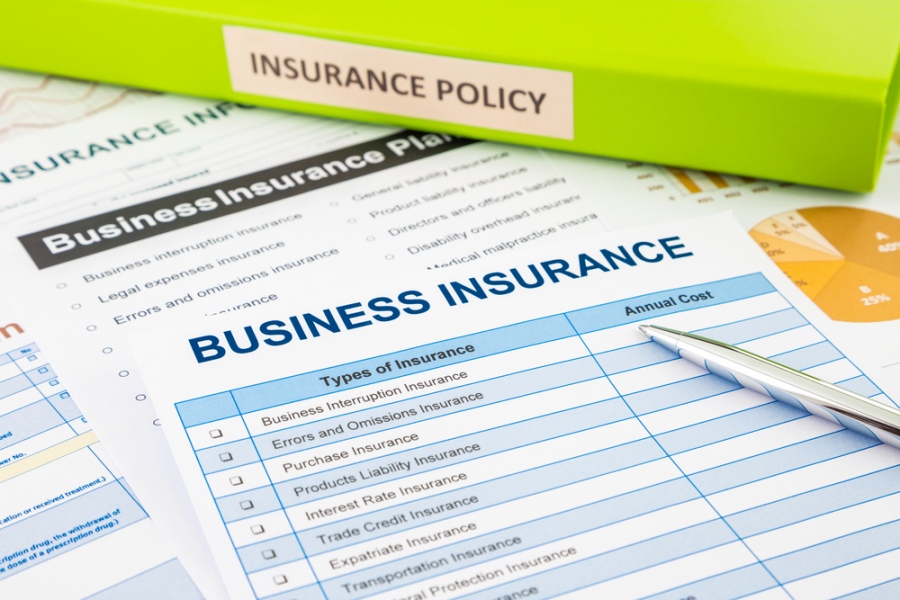
Liability coverage is the most basic and mandatory type of car insurance in many countries. It provides financial protection in case you are held responsible for causing an accident resulting in injuries or damages to others. This coverage typically includes two main components: bodily injury liability and property damage liability. Bodily injury liability covers medical expenses, lost wages, and legal fees for the injured party, while property damage liability covers the repair or replacement costs for damaged property.
- Collision Coverage:
Collision coverage helps cover the cost of repairs or replacement of your vehicle in case of an accident, regardless of who is at fault. Whether you collide with another vehicle or an object, this coverage ensures that your vehicle is taken care of. It is particularly useful for new or valuable vehicles, as the cost of repairs can be substantial.
- Comprehensive Coverage:
Comprehensive coverage provides protection against damages to your vehicle that are not caused by a collision. It covers incidents such as theft, vandalism, natural disasters, falling objects, and even hitting an animal. This type of coverage is especially valuable if you live in an area prone to unpredictable weather conditions or if you park your vehicle in an area with a higher risk of theft or vandalism.
Having a clear understanding of the different types of car insurance coverage can help you make informed decisions when choosing the right policy for your needs. While liability coverage is typically mandatory, collision and comprehensive coverage are optional but highly recommended, especially for newer or more valuable vehicles. Remember to review your policy regularly and consult with insurance professionals to ensure you have adequate coverage for your specific situation.
Factors Affecting Car Insurance Premiums
When it comes to car insurance premiums, there are several factors that can influence the cost. Understanding these factors can help you make informed decisions about your coverage. Here are three key aspects that insurers consider:
-
Driving Record: Your driving history plays a significant role in determining your car insurance premium. Insurance companies assess factors such as your previous accidents, tickets, and any claims you may have made. A clean driving record with no past incidents often translates to lower premium rates, as it indicates a lower risk of future accidents.
- Commercial Auto Insurance
Type of Vehicle: The type of vehicle you drive can also impact your car insurance premium. Insurers take into account factors like the make, model, age, and even safety features of your car. Typically, vehicles with a higher value or are more expensive to repair may come with higher insurance premiums. Additionally, certain vehicles may be more likely to be targeted by thieves, which could also lead to increased premiums.
-
Personal Factors: Insurance providers also consider various personal details when calculating your car insurance premium. Some of these factors include your age, gender, and marital status. Statistics show that younger, less experienced drivers are more likely to be involved in accidents, resulting in higher premiums for this demographic. Additionally, males tend to have higher accident rates compared to females, which can affect premium costs. Moreover, married individuals often benefit from slightly lower premiums as studies suggest they are generally more cautious behind the wheel.
Understanding these factors can help you navigate the complex world of car insurance premiums and enable you to make informed choices to find the best coverage for your needs. Remember to compare quotes from different insurers, as rates can vary significantly between providers.
Choosing the Right Car Insurance Policy
When it comes to selecting the right car insurance policy, there are a few important factors to consider. First and foremost, you should assess your individual needs and budget before making a decision. Understanding the level of coverage you require and the amount you can afford to pay in premiums is essential.
Next, it’s crucial to evaluate the reputation and reliability of the insurance providers you are considering. Look for companies that have a strong track record of delivering excellent customer service and timely claims processing. Reading customer reviews and seeking recommendations from friends and family can be helpful in this regard.
Additionally, take note of any specific benefits or discounts that each insurance company offers. Some providers may provide special discounts for safe drivers, while others may offer additional coverage options at no extra cost. It’s worth comparing the available options to ensure you are getting the best value for your money.
Remember, choosing the right car insurance policy goes beyond just considering the cost. While affordability is important, it shouldn’t be the sole basis for your decision. By carefully assessing your needs, researching reputable providers, and comparing available benefits, you can make an informed choice that gives you peace of mind on the road.
-

Starting and running a small business can be an exciting and rewarding endeavor. As an entrepreneur, you pour your heart and soul into every aspect of your company, from crafting your products or services to building relationships with your customers. With so much at stake, it is vital to ensure that your business is adequately protected. This is where small business insurance comes into play, safeguarding you against unforeseen events and providing you with peace of mind.
One aspect of small business insurance that many owners may be familiar with is car insurance. Most businesses rely on vehicles to transport goods or provide services, and accidents can happen, no matter how cautious you are. Car insurance for your business vehicles helps cover the costs of damages, medical expenses, and legal fees that may arise from accidents on the road. It is a crucial part of protecting your business assets and ensuring your operations can continue unhindered.
However, small business insurance covers far more than just car accidents. It encompasses a wide range of coverage options tailored to meet the unique needs of your business. Whether you own a retail store, a restaurant, or a professional services firm, there are insurance policies designed to protect you from various risks, such as property damage, liability claims, theft, and even cyberattacks. Small business insurance acts as a safety net, allowing you to focus on what you do best – running and growing your business – without constantly worrying about the unforeseen challenges that may come your way.
In the following paragraphs, we will delve deeper into the importance of small business insurance, exploring the different types of coverage available, and providing helpful tips on selecting the right policies to suit your specific needs. So, buckle up and get ready to navigate the world of insurance to safeguard your small business against potential risks and ensure a bright and secure future.
Understanding the Importance of Insurance
Running a small business comes with its own set of challenges and risks. As an entrepreneur, it is crucial to understand the importance of having the right insurance coverage to protect your business. Insurance provides financial security in the face of unexpected events and helps safeguard your hard-earned assets.
Car insurance is a familiar concept to most people, as it protects against potential losses from accidents or theft involving their vehicles. Similarly, small business insurance plays a vital role in mitigating risks associated with running a business. Whether you operate from a physical location or run an online venture, having the appropriate coverage can help you navigate potential setbacks and protect your business from financial ruin.
Small business insurance encompasses a range of policies that cater to different industries and needs. It typically includes general liability insurance, which safeguards against third-party claims of property damage, bodily injury, or advertising injury. Additionally, professional liability insurance, also known as errors and omissions insurance, protects service-based businesses against claims of negligence or mistakes in their professional services.
By securing the right insurance coverage for your small business, you can gain peace of mind knowing that you are shielded from unforeseen circumstances that could potentially jeopardize the future of your enterprise. It is crucial to assess your unique business requirements and consult with insurance professionals to ensure you have the appropriate coverage in place.
Remember, when it comes to protecting your small business, insurance is not an expense, but rather an investment in the longevity and resilience of your venture. Safeguarding your business with the right coverage can help you focus on growing and thriving in a competitive market while minimizing financial risks.
2. Choosing the Right Coverage for Your Business
Builders Risk Insurance South Carolina
When it comes to protecting your small business with the right insurance coverage, there are several factors that you need to consider. Insurance is essential for safeguarding your business against unforeseen risks and providing you with the peace of mind you need to focus on running your operations smoothly.
The first step in choosing the right coverage is to assess the specific needs of your business. Consider the nature of your operations, the type of products or services you offer, and the size of your workforce. For example, if your business involves a fleet of vehicles, you would need to ensure that you have appropriate car insurance coverage to protect against accidents, theft, or damage to your company vehicles.
Next, it’s important to research and compare insurance policies from different providers. Look for insurers who specialize in small business insurance and have a good reputation in the industry. Consider factors such as the coverage limits, deductibles, and premiums offered by each insurer. It’s also advisable to read reviews or seek recommendations from other small business owners to ensure that you choose a reliable and reputable insurance provider.

Lastly, don’t forget to review your insurance policies periodically to ensure that your coverage remains adequate as your business evolves. As your operations expand or change, your insurance needs may also change. Keep an open line of communication with your insurance provider and update them regarding any significant changes in your business. This will help you avoid any gaps in coverage that may leave your business vulnerable to risks.
Remember, choosing the right coverage for your small business is crucial for protecting your investment and ensuring its long-term success. By taking the time to assess your needs, research different policies, and review your coverage regularly, you can rest assured knowing that you have the right insurance in place to mitigate potential risks and keep your business operations running smoothly.
3. Tips for Saving Money on Small Business Insurance
-
Shop around and compare quotes: Don’t settle for the first small business insurance policy you come across. Take the time to research and gather quotes from multiple insurance providers. Comparing the different options available will help you find the best coverage at the most competitive rates.
-
Bundle your policies: Consider bundling your small business insurance policies together with one insurer. This could include combining your property insurance, liability insurance, and any other coverage you may need. By doing so, you may qualify for a discounted premium, ultimately saving you money.
-
Increase your deductibles: Another way to save on small business insurance is by opting for higher deductibles. A deductible is the amount you are responsible for paying before your insurance coverage kicks in. By increasing your deductible, you can lower your premium. However, be sure to carefully assess your financial situation to ensure you can afford to pay the higher deductible if a claim arises.
Remember, small business insurance is not something you should compromise on, as it provides essential protection for your business. But by following these tips, you can find ways to save money on your insurance premiums without sacrificing the coverage your business needs.
-
-

If you own a car, insurance is an absolute must. Car insurance provides protection not only for your vehicle but also for yourself and others in case of an accident. However, navigating the world of car insurance can be overwhelming, with various coverage options and policy terms to consider. In this comprehensive guide, we will break down everything you need to know about car insurance, helping you make informed decisions and ensuring you have the coverage that suits your needs.
Car insurance is essentially a contract between you and an insurance company. By paying a premium, the insurance company agrees to provide financial protection if your car is damaged or if you cause damage to someone else’s vehicle or property. It also covers medical expenses for injuries sustained in an accident. Different coverage options exist, allowing you to customize your policy based on your specific needs and concerns. While car insurance is primarily associated with personal vehicles, it is also crucial for small business owners who use vehicles for work-related purposes. By understanding the ins and outs of car insurance, you can protect yourself, your vehicle, and your business from unexpected financial burdens. So let’s delve deeper into the world of car insurance and unearth the necessary information to help you make informed decisions.
Types of Car Insurance Coverage
The world of car insurance can be confusing at times, with so many different types of coverage available. In this section, we will explore some of the most common types of car insurance coverage to help you make an informed decision when selecting a policy.
-
Liability Insurance: Liability insurance is the most basic type of car insurance and is required by law in most states. It provides coverage for any bodily injury or property damage caused to others in an accident that you are legally responsible for. This includes medical expenses, rehabilitation costs, and property repairs or replacement.
-
Collision Insurance: Collision insurance provides coverage for damage to your own vehicle in the event of a collision, regardless of who is at fault. It helps pay for repairs or replacement of your car, up to its actual cash value. Collision insurance is especially important if you have a valuable or newer vehicle that would be costly to repair or replace.
-
Comprehensive Insurance: Comprehensive insurance covers damage to your vehicle that is not caused by a collision, such as theft, vandalism, fire, or natural disasters. It provides coverage for repairs or replacement of your car, up to its actual cash value. This type of coverage is particularly useful if you live in an area prone to theft or extreme weather conditions.
Remember, these are just a few of the many types of car insurance coverage available. Other options may include uninsured/underinsured motorist coverage, medical payments coverage, and personal injury protection, among others. It is important to carefully consider your own needs and budget when selecting the right coverage for your car insurance policy.
Factors that Affect Car Insurance Rates
There are several factors that can impact the rates of your car insurance policy. Understanding these factors is important as they can influence the cost you will need to pay. Let’s take a closer look.
Insurance For Restaurants In Florida
-
Driving Record: Your driving record plays a significant role in determining your car insurance rates. Insurance providers consider factors such as the number of accidents you’ve been involved in, any traffic violations, and the length of your driving experience. A clean driving record with no accidents or violations will generally result in lower insurance rates.
-
Age and Gender: Age and gender are also considered when it comes to determining car insurance rates. Generally, younger drivers (especially under the age of 25) are considered higher risk due to their lack of driving experience. Additionally, statistics have shown that certain age groups and genders are more prone to accidents, which can impact insurance rates.
-
Type of Vehicle: The type of vehicle you drive can also affect your insurance rates. Insurance providers consider factors such as the make, model, and age of the car. Typically, vehicles with higher safety ratings and lower repair costs will have lower insurance rates. On the other hand, luxury cars or sports cars may have higher insurance rates due to their higher value and increased risk of theft or accidents.

Understanding the factors that influence car insurance rates can help you make informed decisions when it comes to choosing the right policy for your needs. Keep these factors in mind and consider shopping around for insurance quotes to find the best rates available to you.
Choosing the Right Car Insurance Provider
When it comes to car insurance, selecting the right provider is crucial. With so many options available, it’s essential to consider a few key factors to ensure you make an informed decision.
First and foremost, take some time to research different insurance companies. Look into their reputation and customer reviews. It’s always helpful to hear about other people’s experiences. You can find this information online or by asking friends and family for recommendations.
Next, consider the coverage options provided by each insurance provider. While the basic coverage is required by law, there are additional options you may want to consider. These can include comprehensive coverage, collision coverage, and personal injury protection. Assess your needs and choose a provider that can offer the coverage that suits you best.
Lastly, think about the cost. Car insurance rates can vary significantly from one provider to another. Obtain quotes from different companies and compare them. Keep in mind that the cheapest option may not always be the best, as it may offer less coverage or have poor customer service. Strike a balance between affordability and quality.
By considering these factors, you’ll be well on your way to choosing the right car insurance provider for your needs. Remember, taking the time to research and compare different options can save you both money and headaches down the road.
-